



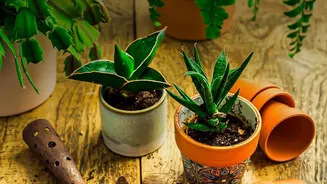


In the hustle of city life, your balcony might be an overlooked patch of concrete. But what if it could become a sanctuary? Transforming this small space into a garden offers more than just a pretty view or a few cherry tomatoes.
1. It Restores Your Overworked Attention
Modern life constantly
demands our focus, leading to what psychologists call directed attention fatigue. This mental drain makes it harder to concentrate and ignore distractions. Research into Attention Restoration Theory (ART) shows that natural environments help us recover. Unlike a busy street or a demanding screen, nature engages us with 'soft fascination'—think of observing the way a leaf unfurls or water droplets clinging to a petal. This gentle, effortless engagement allows the brain’s deliberate focus-system to rest and recharge. A balcony garden, even a small one, provides a micro-dose of this restorative experience right at home, offering a readily available escape to clear your head and sharpen your mind.
2. It Sparks Spontaneous Creativity
Feeling stuck in a creative rut? The solution might be getting your hands dirty. Gardening is an inherently creative act that goes beyond simply following instructions on a seed packet. It encourages you to think like a designer, arranging plants to create harmonies of colour, texture, and height. This process of experimentation—figuring out what thrives where, solving small problems, and adapting to the unexpected—flexes your creative problem-solving muscles. Furthermore, the act of stepping away from a screen and engaging your senses in the garden can provide a mental reset, allowing fresh ideas and perspectives to surface. It's a tangible way to practice creation, from a tiny seed to a flourishing plant, which can inspire a more creative mindset in other areas of your life.
3. It Grounds You in Natural Rhythms
For many urban dwellers, life can feel disconnected from the natural world's cycles. Days blur into one another under artificial light, and seasons might only be noticed by a change in wardrobe. A balcony garden, no matter how small, re-establishes this vital connection. Tending to plants forces you to slow down and observe subtle changes: a new shoot emerging, a bud preparing to bloom, or the life cycle of a ladybug on a leaf. This practice of mindful observation grounds you in the present moment and attunes you to the rhythms of growth, dormancy, and renewal. This connection can be profoundly calming, offering a sense of stability and perspective that is often missing in a fast-paced, digitally-driven routine.
4. It Strengthens Your 'Happy' Gut-Brain Connection
One of the most surprising benefits comes from the soil itself. Research has found that a specific soil-dwelling bacterium, Mycobacterium vaccae, can have antidepressant-like effects. When you handle soil, you come into contact with this microbe, which has been shown to trigger the release of serotonin in the brain—the same neurotransmitter targeted by many antidepressant medications. This 'happy' chemical can boost your mood and reduce anxiety. While not a replacement for professional medical care, this direct biochemical interaction highlights a powerful, primitive link between our bodies and the earth. It suggests that the simple act of potting a plant can have a measurable positive effect on your mental state.
5. It Fosters Unexpected Social Bonds
While gardening can be a beautifully solitary activity, it also has a surprising power to connect us with others. A lush, inviting balcony can become a conversation starter with neighbours. You might find yourself swapping gardening tips, sharing a harvest of fresh mint, or inspiring someone else to start their own green corner. Community gardens have long been known to strengthen social ties and build a sense of belonging, and the same principle can apply on a smaller scale in an apartment building. In an age where we can feel increasingly isolated despite being surrounded by people, a balcony garden serves as a gentle, organic way to foster interaction and build a sense of community, one pot and one conversation at a time.