



A Health-Conscious Shift
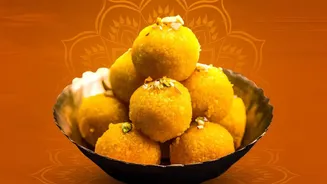
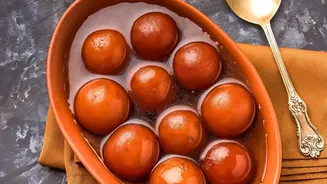
The joy of Janmashtami is often accompanied by an array of rich, decadent sweets offered as 'bhog' and shared with family. Offerings like panjiri, ladoos, and kheer are central to the celebrations. However, today’s younger generation, more health-aware
than ever, is rethinking these age-old recipes. While they cherish the nostalgia and cultural significance, they are also mindful of the high amounts of refined sugar, ghee, and fats. This has sparked a creative movement in kitchens across India, where young cooks are not abandoning tradition but adapting it to fit a healthier lifestyle. The goal is no longer just about indulgence but about mindful celebration, finding a balance that feels both festive and nourishing.
The New Sweeteners
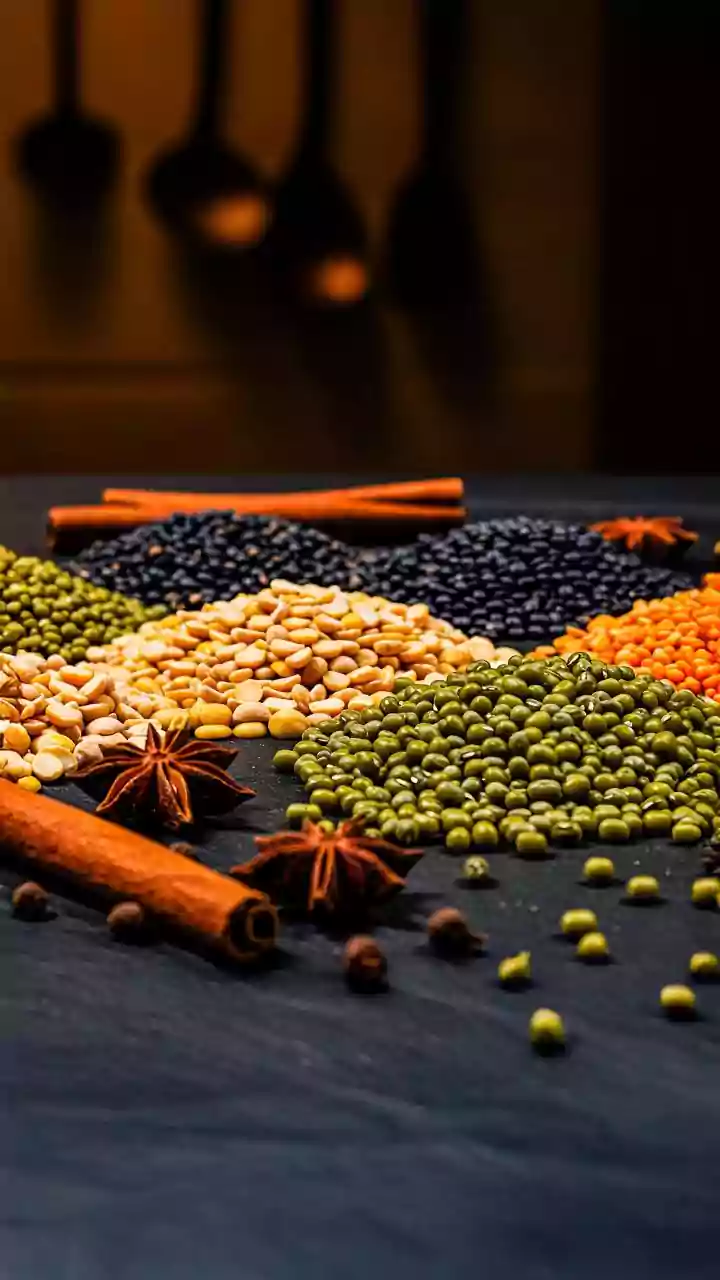
The biggest change in these modernised recipes is the move away from refined white sugar. Cooks are turning to natural sweeteners that offer flavour and some nutritional benefits. Jaggery (gur) is a popular choice, loved for its earthy sweetness and iron content. Dates and figs are also starring ingredients, often blended into a paste to sweeten ladoos and barfis naturally, while also providing fibre. Other alternatives include honey, coconut sugar, and stevia, a plant-based sweetener with no calories. These substitutes not only reduce the glycemic load but also add their own unique, complex flavours to the sweets, creating a whole new taste experience.
Reimagining the Classics
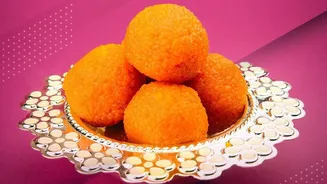
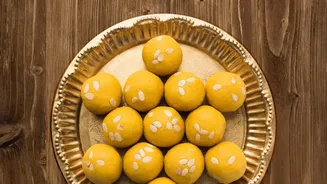
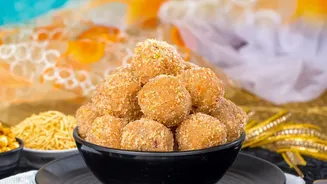
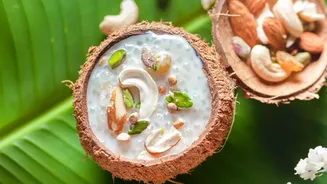
The innovation goes beyond just swapping sweeteners. Traditional Janmashtami favourites are being completely reimagined. For instance, the classic Makhana Kheer is now often prepared with jaggery or a few drops of stevia and low-fat milk. Ladoos, a festive staple, are being transformed into nutrient-dense 'energy bites' made with dates, nuts, and seeds instead of gram flour and sugar. Dhaniya Panjiri, a traditional prasad, is being made with jaggery powder instead of sugar, retaining its warming, aromatic qualities while being healthier. Even cooking methods are changing. Instead of deep-frying, many are opting to bake or air-fry sweets like gujiya or using minimal ghee, making the treats lighter without sacrificing their essence.
Tradition in Evolution
This trend of adapting recipes is more than just a health fad; it represents a meaningful evolution of tradition. For many young Indians, it's a way to stay connected to their cultural roots in a manner that aligns with their contemporary values of wellness and mindful consumption. By making these small but significant changes, they are ensuring that festive food traditions continue to be relevant and cherished. These modernised sweets are not about replacing the classics but expanding the festive table to include options that everyone, regardless of their dietary preferences, can enjoy without guilt. It's a testament to the idea that tradition is not a rigid relic but a living, breathing entity that evolves with each generation.