

The Sun Sets on a Legend
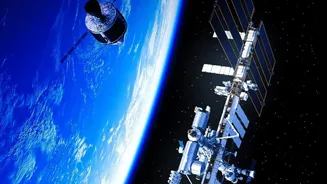
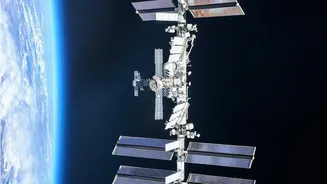
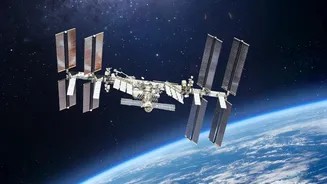
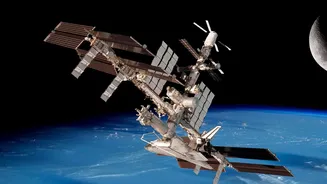
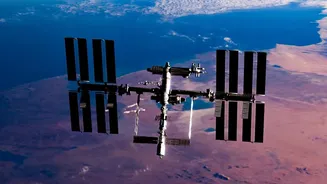
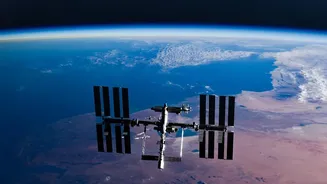
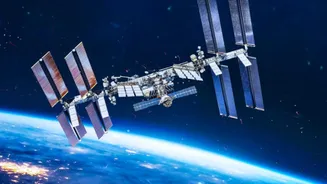
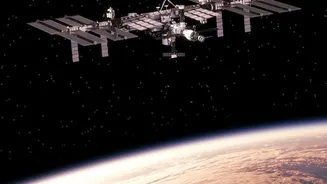
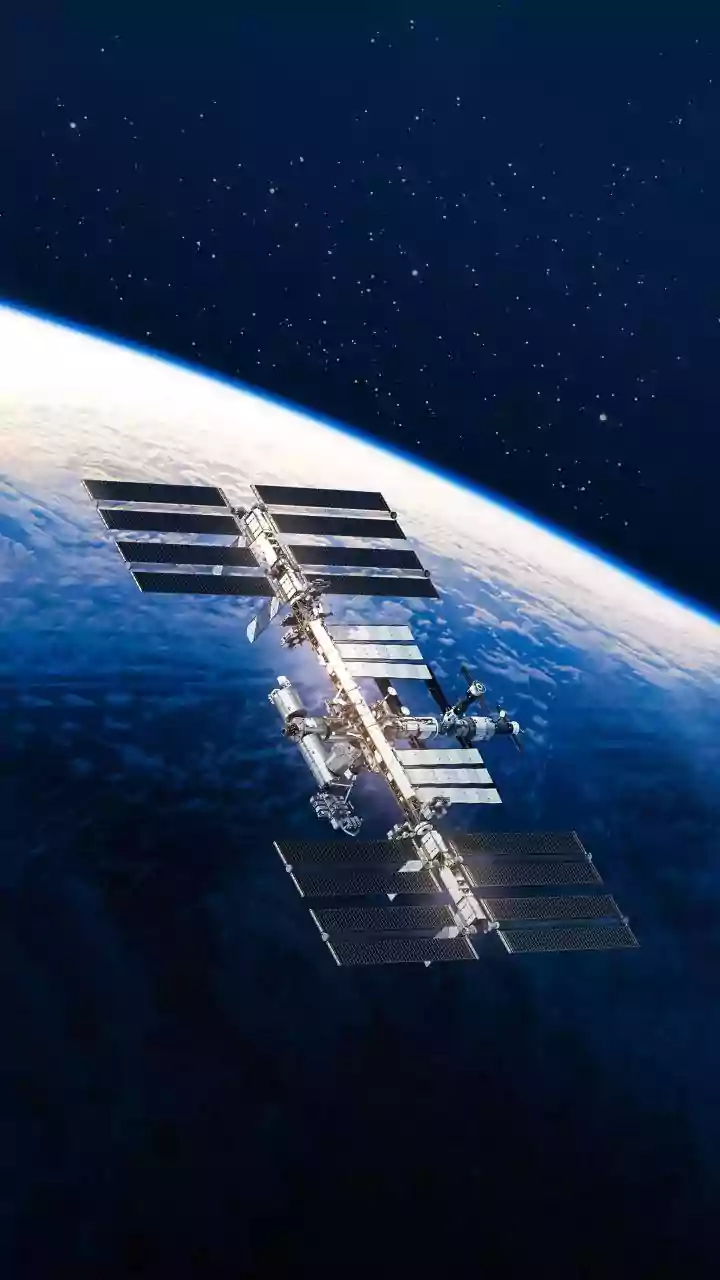
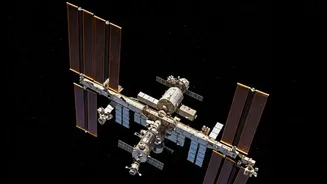
The International Space Station is arguably one of humanity's greatest engineering achievements, a symbol of global cooperation that has hosted nearly 300 astronauts from 26 countries. For more than 25 years, it has served as a unique laboratory, producing
thousands of experiments and expanding our understanding of life in microgravity. However, the station, which began construction in 1998, was never designed to last forever. It is now facing structural fatigue and rising maintenance costs, which amount to nearly $3 billion annually for NASA alone. Recognizing these challenges, NASA and its partners have slated the ISS for a controlled deorbit into a remote part of the Pacific Ocean by the end of 2030. This decision has ignited a race against time to ensure the United States and its allies do not lose their continuous human presence in low-Earth orbit (LEO).
Meet the New Tenants of LEO
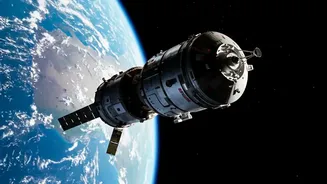
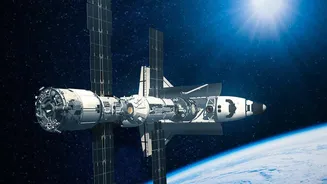
Stepping into the void will not be another single, government-owned station, but a fleet of smaller, more efficient commercial outposts. Through its Commercial LEO Destinations (CLD) program, NASA is fostering a new market by funding several private companies to develop their own space stations. Leading the pack are a few key players. Axiom Space is taking a unique approach by first attaching its modules to the ISS before separating to become a free-flying station. Its first habitat module is expected to launch around 2027-2028. Another major contender is Starlab, a joint venture between US-based Voyager Space and European aerospace giant Airbus, which plans to launch a large station dedicated to research on a single flight. Then there is Orbital Reef, a concept for a "mixed-use business park" in space led by Blue Origin and Sierra Space, designed to host science, tourism, and manufacturing. These ventures represent a fundamental shift in how humanity will live and work in orbit.
A Radical Shift in Strategy
The move toward commercial space stations reflects a major change in NASA's strategy. Instead of owning and operating the infrastructure itself, the agency plans to become just one of many customers. This is a similar model to how NASA already buys transportation services for crew and cargo from companies like SpaceX. By paying private companies for access to their stations, NASA aims to reduce its long-term costs significantly, freeing up budget for its deep-space ambitions, like the Artemis missions to the Moon and Mars. For the companies, NASA's role as an anchor tenant provides the financial stability needed to get their stations off the ground. The ultimate goal is to create a robust, self-sustaining economy in low-Earth orbit where a variety of customers—from foreign space agencies and researchers to manufacturers and even tourists—can purchase services.
More Than Just a Science Lab
While scientific research will remain a core function, these new commercial stations are designed for a much broader range of activities. Orbital Reef, for example, is being marketed as a destination for commerce, research, and adventure tourism. Axiom Station plans to host its own private astronauts alongside NASA crews and offer opportunities for in-space manufacturing and media projects. Starlab is focused on providing a state-of-the-art laboratory for global researchers, ensuring the vital microgravity science conducted on the ISS can continue uninterrupted. Other possibilities include producing high-value materials like flawless fiber-optic cables or 3D-printing human organs, which is easier in a zero-gravity environment. This expansion of services is crucial for creating a sustainable business case that isn't solely reliant on government funding, paving the way for a truly vibrant ecosystem in orbit.