








Why Humidity Is the Real Enemy
During any workout, your body produces heat, and your primary cooling mechanism is sweat. As sweat evaporates from your skin, it takes heat with it, lowering your body temperature. However, when the air is already saturated with moisture during humid
monsoon months, this evaporation process slows down dramatically. Your body's cooling system becomes inefficient. In response, it tries even harder to cool down by producing more sweat. This leads to you losing more fluids and essential minerals than you would in dry weather, even if the temperature isn't scorching. Your heart also has to work harder to pump blood to the skin to aid cooling, increasing overall strain and making exercise feel much more difficult.
The Crucial Role of Electrolytes
Electrolytes are essential minerals like sodium, potassium, magnesium, and calcium that carry an electrical charge. They are vital for numerous bodily functions, including regulating fluid balance, enabling muscle contractions, and transmitting nerve signals. When you sweat excessively in high humidity, you don't just lose water; you lose significant amounts of these critical minerals. Sodium is often the most significant electrolyte lost through sweat. An imbalance can quickly disrupt your body's delicate equilibrium, leading to a noticeable drop in physical performance and a range of uncomfortable symptoms. Plain water alone isn't enough to fix this, as it doesn't replace the lost minerals and can even dilute the remaining electrolytes in your system.
Spotting the Signs of Imbalance
Recognising the early warning signs of electrolyte imbalance is key to preventing a more serious issue. Since you might not feel as thirsty in humid weather, you need to watch for other clues. Common symptoms include persistent fatigue or sluggishness, headaches, and dizziness, especially when standing up quickly. One of the most common and telling signs is muscle cramping or weakness, which can be both painful and debilitating during a workout. Other indicators can include nausea, a rapid or irregular heartbeat, mental confusion, and a craving for salty foods. If you notice white, salty streaks on your workout clothes after they dry, it’s a clear sign you are a 'salty sweater' and are losing a high concentration of sodium.
Your Monsoon Workout Strategy
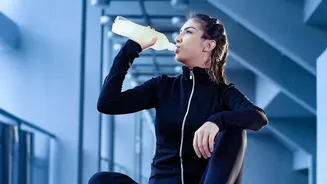
To combat the effects of humidity, you need a proactive hydration strategy. Don't wait until you feel thirsty, as thirst is not a reliable indicator of your body's needs in humid conditions. Start hydrating before your workout by drinking water or an electrolyte beverage about 30-60 minutes beforehand. During your session, especially if it lasts longer than an hour, sip on an electrolyte-infused drink every 15-20 minutes to continuously replenish what you're losing. Post-workout, focus on rehydration within the first 30 minutes to kickstart recovery. Combining your fluid intake with a snack that contains a mix of carbohydrates and protein will help restore your energy levels and support muscle repair.
Foods and Drinks That Replenish
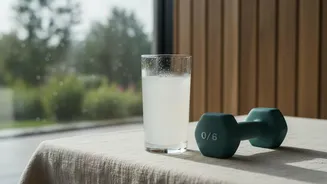
You don't always need to rely on commercial sports drinks. Many natural foods and beverages are excellent sources of electrolytes. Coconut water is a fantastic natural option, rich in potassium and readily available across India. Bananas are packed with potassium and make for a great pre or post-workout snack. Other beneficial foods include watermelon, oranges, spinach, and yogurt. A simple homemade solution is a glass of lemon water with a pinch of salt and a small amount of sugar; the sugar helps your body absorb the sodium and water more effectively. Traditional Indian drinks like buttermilk (chaas) or Aam Panna can also be effective, providing a natural source of electrolytes to help you rebalance.