


A Thorny Problem for Growers
For farmers in districts like Chikkaballapur and Bengaluru Rural, floriculture is a high-stakes business. Unlike staple crops, flowers are extremely perishable. Their value depends on freshness, which requires a consistent cold chain from harvest to market.
This is where the region's notoriously erratic power supply becomes a critical problem. Frequent power cuts and voltage fluctuations force farmers to rely on expensive and polluting diesel generators to run essential equipment like irrigation pumps and, crucially, cold storage units. Without reliable cooling, harvested flowers can deteriorate rapidly, forcing growers to sell their produce immediately at potentially low prices, leading to significant financial losses.
Sunshine as a Sustainable Solution
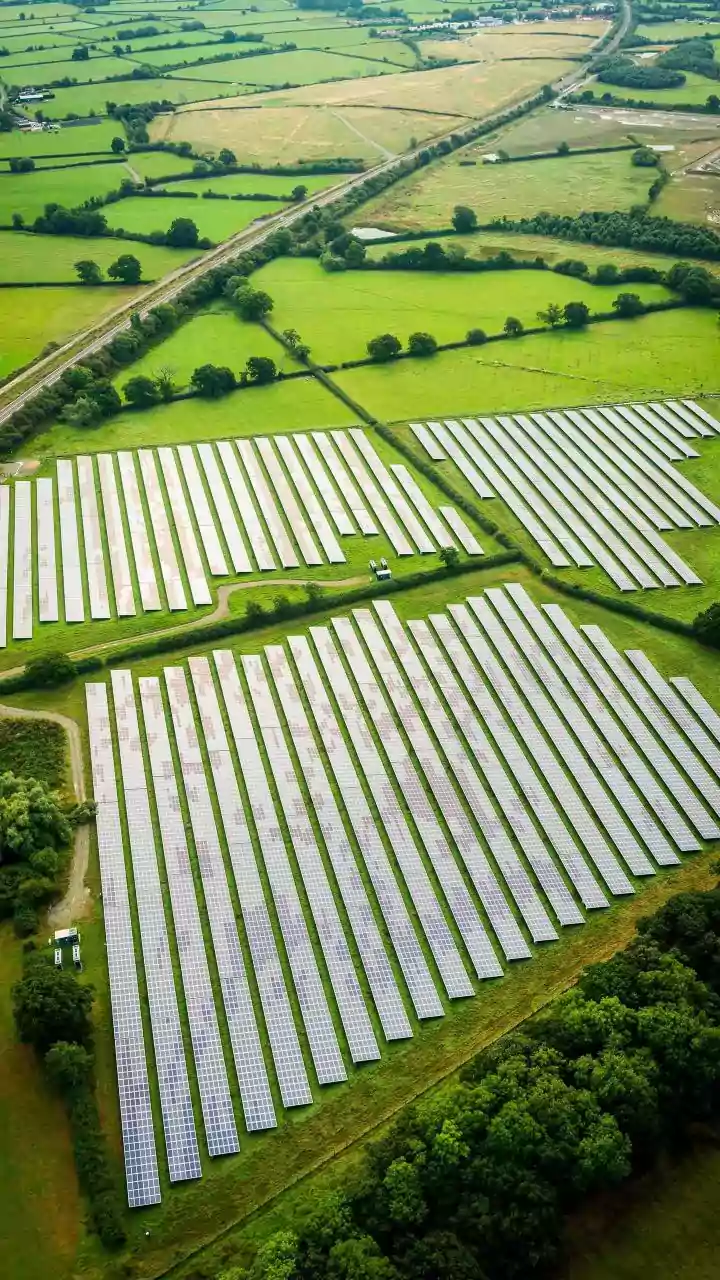
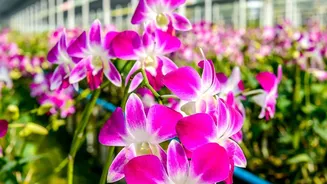
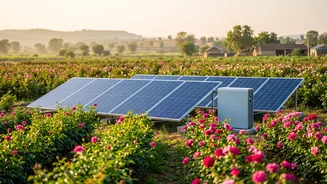
The adoption of off-grid solar systems with battery storage offers a direct answer to this challenge. These setups operate independently of the main power grid, providing a stable and predictable source of electricity. During the day, solar panels generate power to run farm equipment, while also charging battery banks. This stored energy then ensures that critical systems, especially refrigeration, can run smoothly through the night or on cloudy days. For floriculture, which requires precise temperature control to preserve the quality of delicate blooms like roses and carnations, this 24/7 reliability is a game-changer. It liberates farmers from the unpredictability of grid power and the high operational costs of diesel fuel.
Cultivating More Than Just Flowers
The shift to solar power is about more than just keeping the lights on; it's a strategic business decision with significant economic benefits. The most immediate impact is the drastic reduction in operational costs. Farmers can save substantially by eliminating the need for diesel fuel, a volatile and expensive commodity. This newfound energy independence also translates into better quality control. With consistent power for cold storage, farmers can preserve their harvest for longer, giving them the flexibility to wait for favourable market prices instead of being forced into distress sales. This ability to manage their supply chain more effectively leads to higher profit margins and greater financial stability. Several government initiatives, such as the PM-KUSUM and Karnataka's Surya Raitha schemes, provide significant subsidies, making the initial investment in solar technology more accessible for small and marginal farmers.
A Day in the Life, Powered by the Sun
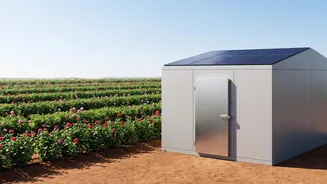
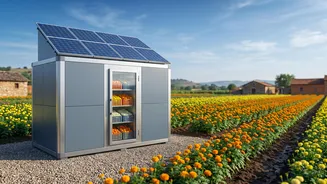
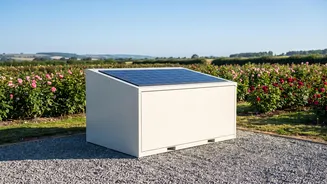
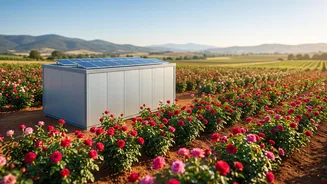
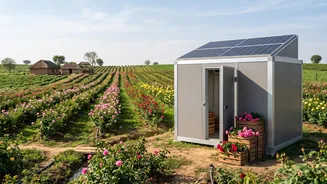
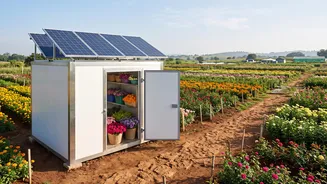
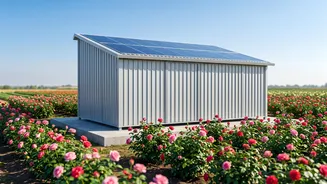
Imagine a flower farm outside Doddaballapur. Before, the day might start with the loud hum of a diesel generator, its fumes hanging in the air. The farmer's schedule would be dictated by the unreliable grid, with constant worry about whether the cold room will maintain its temperature overnight. Now, the farm operates with quiet efficiency. Solar panels power water pumps for morning irrigation. Harvested flowers are moved into a solar-powered cold room, where the temperature remains stable without interruption. Farmers can manage their operations with confidence, knowing their energy source is reliable and their running costs are minimal. This technological shift is empowering Farmer Producer Organisations (FPOs) to invest in community-owned solar cold storage facilities, allowing even the smallest growers to access the benefits of this technology on a pay-per-use basis.
Planting Seeds for a Greener Future
The trend in Bengaluru's floriculture sector is a powerful illustration of how decentralised renewable energy can transform traditional agriculture. This model of self-sufficiency not only boosts the economic resilience of farmers but also contributes to broader environmental goals by reducing carbon emissions. The success of solar adoption in floriculture, a sector with demanding energy needs, provides a compelling blueprint for other horticultural and agricultural industries across India facing similar power challenges. As the costs of solar panels and battery storage continue to fall, this grassroots energy revolution is poised to grow, fostering a more sustainable and profitable future for Indian agriculture, one farm at a time.