


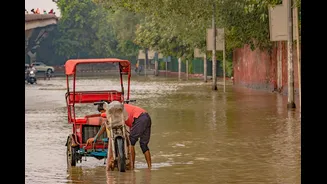
More Than Just a Bad Monsoon
The monsoon has always been a defining feature of life on the subcontinent, but its character is changing. Recent years have seen a disturbing trend: rainfall is no longer spread out over a season but is often delivered in short, ferocious bursts. For
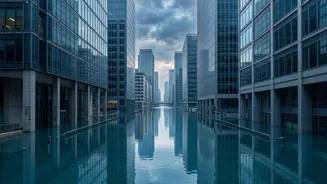
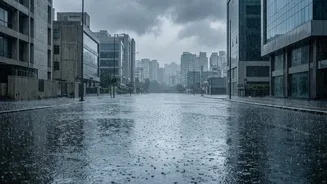
every degree of global warming, monsoon rainfall is expected to increase by about 5%, making it stronger and more erratic. This shift from steady rain to intense downpours overwhelms urban environments in minutes. Events in August 2026 saw cities like Gurugram paralysed by sudden, heavy rainfall, while states like Assam and Kerala faced widespread flooding affecting hundreds of thousands of people. These aren't isolated incidents; they are symptoms of a larger crisis where urban centres are simply not equipped to handle the new climate reality. According to the National Disaster Management Authority (NDMA), such urbanisation can amplify flood peaks by up to eight times.
The Folly of Unplanned Growth
At the heart of the problem is the way our cities have grown. Rapid, often chaotic, urbanisation has led to a concrete jungle that actively repels water. Natural sponges that once absorbed rainwater—lakes, wetlands, and green spaces—have been systematically encroached upon and built over. In Bengaluru, a significant percentage of its lakes has been lost to development, drastically reducing the city's capacity to absorb rainwater. Mumbai lost 80% of its water bodies in 40 years. This relentless expansion means that water has nowhere to go. Drainage systems, many of which are decades old and designed for far less intense rainfall, are quickly overwhelmed. For example, Delhi's drainage plan dates back to 1976 and Mumbai's to the 1860s. Compounding the issue, these drains are often clogged with solid waste and construction debris, further crippling their ability to function during a deluge.
A Failure of Governance
While concrete and climate change are major factors, urban flooding is also a story of governance failure. Responsibility for urban planning, water management, and disaster response is often fragmented across multiple municipal bodies and government departments. This lack of coordination means there is no unified strategy for building flood-resilient cities. Master plans frequently overlook hydrological data and fail to protect natural drainage channels from encroachment. Weak enforcement of building regulations allows for illegal construction in low-lying and high-risk zones, putting more lives and property in danger. The focus remains reactive—managing a disaster after it strikes—rather than proactive and preventive. Experts point out that while cities in other parts of the world are shifting towards resilience, many in India are still struggling with basic flood control due to these institutional gaps.
Building Water-Sensitive Cities
The path forward requires a fundamental reimagining of urban spaces. The answer isn't just about building bigger drains but creating 'sponge cities' that can live with water. This involves integrating nature-based solutions into urban design: protecting and restoring wetlands, creating rain gardens, and using permeable pavements that allow water to seep into the ground. It also requires updating outdated infrastructure based on modern rainfall projections, not historical ones. City-level flood-risk maps can guide development away from vulnerable areas, and better early warning systems can give citizens crucial time to prepare. Initiatives like the National Disaster Management Authority's guidelines on urban flooding provide a framework, but successful implementation depends on political will and empowering local bodies with the funds and authority to act.