







Adopt a Minimalist Mindset
The first step to packing light has nothing to do with your bag—it's about your mindset. Most of us overpack because of 'just in case' scenarios. The secret is to shift from packing individual outfits to packing versatile pieces. Before you pack a single
item, accept that you don't need a different outfit for every single moment of your trip. The goal is to create a small, hardworking collection of clothes where every top works with every bottom. This approach not only saves space but also eliminates decision fatigue, freeing you up to focus on the experience, not your wardrobe. Most major Indian airlines like IndiGo, Air India, and SpiceJet enforce a strict 7kg limit for economy cabin bags, making this mindset essential for avoiding last-minute fees.
Build a Travel Capsule Wardrobe
A capsule wardrobe is the foundation of smart packing. For a one-week trip, you don't need a huge selection. The key is choosing items within a cohesive colour palette. Start with two or three neutral base colours like black, navy, beige, or olive, and then add one or two accent colours through tops or accessories. A proven formula for a week is the 5-4-3-2-1 method or a variation of it. This could look like five tops, four bottoms, three pairs of shoes, two dresses or layers, and one swimsuit. A more streamlined version for a 7kg bag might be: two pairs of bottoms (like jeans and versatile trousers), four to five tops that can be layered, one outer layer (like a jacket or cardigan), and two pairs of shoes. Remember to wear your heaviest items, such as your jacket and bulkiest shoes, on the plane to save precious weight and space in your bag.
Master Rolling and Packing Cubes
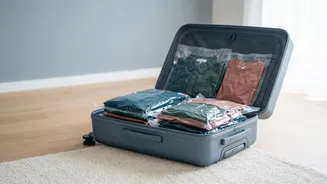
How you pack is just as important as what you pack. The rolling method is superior to folding for most casual clothing. Tightly rolled clothes take up less space and are less prone to deep wrinkles. For items like T-shirts, leggings, and knitwear, lay them flat, fold in the sleeves, and roll tightly from the bottom up. To take your organisation to the next level, invest in packing cubes. These fabric pouches not only keep your items neatly categorised (e.g., one for tops, one for bottoms) but also compress them. Using compression packing cubes can significantly reduce the volume of your clothes, making it much easier to fit everything into a small carry-on. This method allows you to see all your items at a glance, preventing you from having to rummage through your entire bag to find one T-shirt.
Downsize Toiletries and Electronics
Clothes are only part of the weight equation. Toiletries and electronics can quickly add up. The 100ml liquid rule is a blessing in disguise. Decant your essential liquids into travel-sized reusable bottles. Better yet, switch to solid toiletries. Shampoo bars, conditioner bars, solid perfumes, and toothpaste tablets can eliminate liquids entirely, saving weight and freeing you from the plastic bag hassle. For electronics, think multi-use. Instead of separate plugs for your phone, watch, and power bank, bring a single multi-port USB charger. A good power bank is essential, but choose a slim, lightweight model. Consolidating your cables and chargers into a small tech pouch keeps them organised and prevents a tangled mess at the bottom of your bag.
Final Checks and Weigh-In
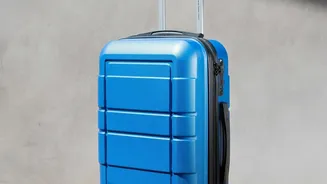
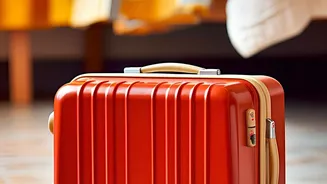
Before you leave for the airport, do a final audit. Pack your bag completely a day or two in advance. Then, weigh it on a luggage scale. If you're over the 7kg limit, it's time for a ruthless edit. Ask yourself if you truly need every item. Can one of your tops do the job of two? Could you leave that extra pair of shoes behind? Also, remember that some low-cost carriers have a combined weight limit for your main carry-on and your personal item (like a handbag or laptop bag). Ensure your lightweight luggage itself isn't eating up too much of your allowance; some bags can weigh 1.5-2kg empty. Choosing an ultra-lightweight backpack or suitcase is a smart investment for any frequent traveller looking to conquer the 7kg challenge.