






Understanding Your Protections
Every person who flies within, to, or from India is protected by a set of rules established by the Directorate General of Civil Aviation (DGCA). These are not just suggestions; they are binding regulations called Civil Aviation Requirements (CAR). Specifically,
CAR Section 3, Series M, Part IV details the duties airlines have towards passengers during disruptions like delays, cancellations, and denied boardings. These rules mean that airlines are legally required to provide assistance, which can include meals, hotel stays, alternate flights, refunds, and even financial compensation, depending on the situation. It's crucial to know that these protections are not goodwill gestures from the airline—they are your legal rights as a passenger.
Rights During a Flight Delay
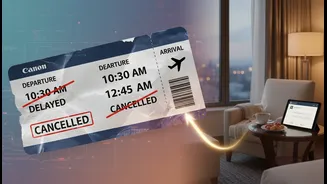
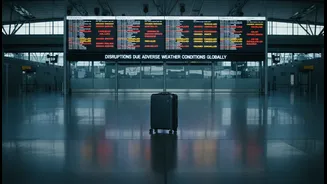
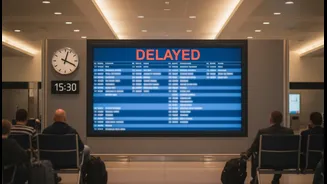
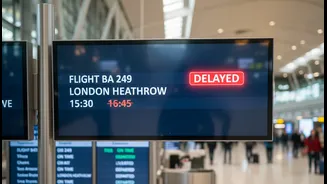
The clock starts ticking as soon as your flight is delayed, and your entitlements grow with the length of the wait. If a delay is expected to be two hours or longer, the airline is obligated to provide you with free meals and refreshments. Should the delay extend to six hours or more, you have a choice: you can ask for an alternative flight or opt for a full refund of your ticket. For long, overnight delays, particularly for flights scheduled between 8 p.m. and 3 a.m., the airline must provide hotel accommodation along with transfers between the airport and the hotel. Even in cases where the delay is caused by extraordinary circumstances like bad weather (force majeure), where financial compensation may not apply, airlines are still required to provide this duty of care, such as meals and accommodation.
When Your Flight is Cancelled
If an airline cancels your flight, your rights depend heavily on how much notice you were given. If you are informed less than 24 hours before departure, the airline must offer you the choice of an alternate flight or a full refund. In addition to the refund or rebooking, you are also entitled to financial compensation. This can range from ₹5,000 to ₹10,000 for domestic flights, depending on the flight's original block time. If you are informed of the cancellation between 24 hours and two weeks before your flight, the airline must offer an alternate flight or a full refund. Compensation is not required in this window, but the option for a refund or another flight is mandatory. If you are already at the airport when you learn of the cancellation, the airline must provide meals and refreshments while you wait for assistance.
Denied Boarding and Overbooking
Airlines sometimes sell more tickets than there are seats on a plane, a practice known as overbooking. If you are involuntarily denied boarding as a result, you are entitled to significant compensation. The rules state that airlines must first ask for volunteers to give up their seats in exchange for benefits. If you are not a volunteer and are bumped off the flight, the airline owes you compensation of up to 400% of your one-way base fare plus fuel surcharge, capped at ₹20,000. This is in addition to being provided with an alternate flight. If you choose not to take the alternate flight offered, you are still entitled to the compensation plus a full refund of your original ticket.
How to Claim Your Rights
Knowing your rights is the first step; acting on them is the next. When faced with a disruption, first approach the airline's staff at the airport. Calmly state the situation and what you are entitled to under the DGCA passenger charter. Keep all your documents, including your boarding pass and any communication from the airline about the delay or cancellation. If the airline's representatives are unhelpful, you can escalate the issue. Lodge a formal complaint through the airline's own grievance redressal system. If you are still not satisfied, you can file a grievance on the government's AirSewa portal or app. Recent upgrades to the portal, including the integration of AI, are aimed at resolving passenger complaints more efficiently.