

From 'Desi Chinese' to Diverse Delights
For decades, 'Asian food' for many Indians meant a familiar, comforting menu of Hakka noodles, vegetable manchurian, and fried rice. While these classics remain beloved, a much wider culinary world is now opening up in the most accessible of places: the local
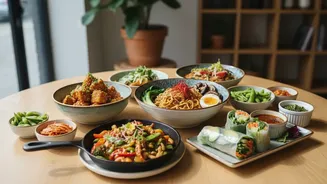
cafe. India's rapidly expanding cafe culture, once the domain of coffee and sandwiches, is becoming a launchpad for a new wave of Pan-Asian cuisine. Instead of just Indian-Chinese, menus now proudly feature Japanese, Korean, Vietnamese, and Thai dishes, specifically adapted for a vegetarian palate. This move from niche restaurants to mainstream cafes signifies a major evolution in the country's dining habits. It reflects a broader shift where diners, especially younger ones, are more adventurous and eager to explore global flavours.
The Power of Pop Culture
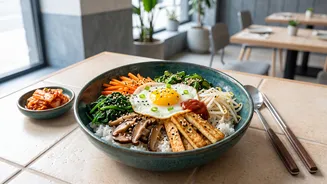
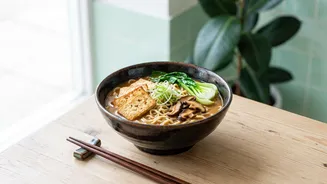
A significant driver of this trend is the 'Hallyu' or Korean Wave. The explosion in popularity of K-dramas and K-pop has introduced millions of young Indians to Korean culture, and with it, its food. Scenes of characters enjoying dishes like bibimbap, tteokbokki (rice cakes), and steaming bowls of ramen have created a powerful curiosity that cafes are now satisfying. Watching a favorite actor slurp down noodles in a hit series has become a more potent advertisement than any marketing campaign could dream of. This cultural exposure has made Korean food, in particular, move from a niche interest to a mainstream craving, with Gen Z and millennials leading the charge. Cafes, with their casual and social atmosphere, are the perfect setting to try these trending dishes without the commitment of a formal restaurant visit.
A Perfect Fit for Modern Indian Tastes
Asian cuisines are uniquely well-suited for vegetarian adaptation. Many dishes are naturally plant-forward, relying on fresh vegetables, tofu, mushrooms, and flavourful broths. Cooking methods like steaming, stir-frying, and grilling are seen as healthier alternatives to heavier, cream-based cooking. This aligns perfectly with a growing health consciousness among urban Indian consumers. Furthermore, the flavour profiles of many Asian cuisines—balancing spicy, sour, sweet, and umami—resonate well with the Indian palate, which has a deep appreciation for bold and complex tastes. The use of familiar ingredients like ginger, chilli, pepper, and rice creates a sense of 'strange familiarity', making exotic dishes feel approachable.
Smart Business for a New Generation
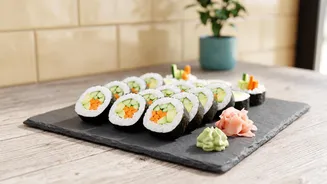
For cafe owners, embracing vegetarian Asian food is simply good business. These dishes cater directly to a young, experimental demographic that is willing to spend on new experiences. They are also highly 'Instagrammable', with colourful bowls and artful plating that generate organic social media buzz. As India’s cafe market continues to grow, with thousands of new outlets expected to open by 2030, differentiation is key. Offering a unique and trending food menu helps cafes stand out in a crowded market. Many establishments are creating localized versions of these dishes, such as Korean paneer bowls or sushi with Indian fillings, to make them even more appealing to local tastes. This fusion approach allows them to innovate while remaining commercially accessible.
Beyond the Metros
While this trend started in major cities like Bangalore, Mumbai, and Delhi, it is no longer confined to them. The demand for global cuisines is spreading rapidly to Tier 2 cities like Surat, Thiruvananthapuram, and Mysuru. The rise of food delivery platforms has played a huge role, making these dishes accessible to a much wider audience. As smaller cities become more connected and their populations more exposed to global trends through travel and the internet, local cafes are adapting their menus to keep pace. This nationwide adoption indicates that vegetarian Asian food is not just a fleeting fad but a durable shift in India's culinary landscape.