




What the 'Namo Yamuna River Safari' Offers
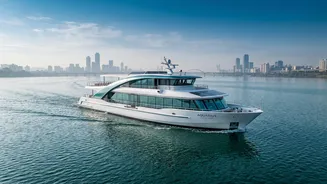
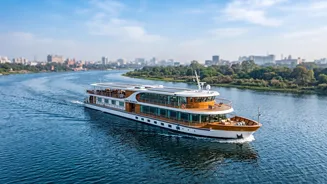
Following successful trial runs in October, the 'Namo Yamuna River Safari' was inaugurated on November 10, 2026. The service operates on a six-kilometre round-trip route between Sonia Vihar and Jagatpur in a section of the river that is comparatively
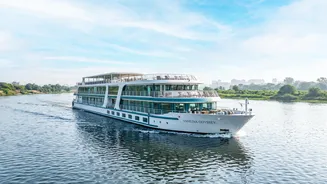
cleaner. The journey is conducted on a 30-seater, all-electric vessel, ensuring a quiet and eco-friendly experience that lasts approximately 40 to 45 minutes. The boat features two decks: an air-conditioned lower deck with river-facing windows and an open-air upper deck. Tickets for the cruise are priced at ₹500 per person, with an additional ₹50 entry fee for the recreational area at the jetty. The service will operate daily but is scheduled to remain closed during the monsoon season, from July 1 to September 30 each year.
A New Hub for Recreation and Tourism
The project is about more than just the boat ride. It's a concerted effort to create a new recreational hub in the capital. The area around the Sonia Vihar jetty has been developed with a host of amenities, including a food court, shopping kiosks, a children's play zone, and even adventure sports facilities like rock climbing and skating. A key attraction is a state-of-the-art musical fountain that features a light-and-sound show depicting the mythological stories associated with the Yamuna River. Officials have stated the goal is to make the riverbank a place where families can spend time, transforming it into a vibrant public space. This initiative is seen as a major step in boosting Delhi's tourism potential by creating a unique attraction.
Symbol of a Changing Riverfront
The cruise launch is a visible outcome of the larger vision to develop India's inland waterways, with the Yamuna designated as National Waterway-110. This project, a collaboration between the Inland Waterways Authority of India (IWAI) and several Delhi government agencies, signals a strategic shift toward harnessing rivers for tourism and sustainable transport. The use of electric vessels is highlighted as a commitment to cleaner mobility. For many officials, the cruise is a way to reconnect Delhi's residents with their river, which has been central to the city's history and culture but has long been neglected and polluted. The hope is that by creating positive public engagement, it will foster a greater sense of ownership and urgency for the river's overall health.
Connecting to the Bigger Picture
This cruise is a small but significant piece of a much larger puzzle: the rejuvenation of the Yamuna. For years, plans have been discussed to develop the Yamuna riverfront, inspired by models like the Sabarmati Riverfront in Gujarat. These broader plans involve creating ecological trails, parks, and public spaces along the river's entire stretch in Delhi. While the cruise operates on a cleaner, upstream segment, its success is symbolically tied to the colossal task of cleaning the rest of the river. The project is being framed as a milestone that showcases the potential of a cleaner Yamuna, turning a neglected waterway into a prized asset for the city.
Challenges and the Path Forward
Despite the optimism, the project is not without its challenges. The successful operation of the cruise depends on maintaining adequate water depth, which previously required desilting efforts in certain patches. Furthermore, while the cruise is a welcome development, some environmentalists have voiced concerns about large-scale riverfront development projects, arguing that the priority should remain on ecological restoration and improving the river's flow and water quality. The launch of a second 30-seater vessel is already planned for early 2027, indicating a commitment to expanding the service. The ultimate success of the Yamuna cruise will be measured not just by ticket sales, but by whether it can serve as a catalyst for the genuine, long-term ecological revival of the entire river.