




Why Make the Switch to Millets?
The foundation of any good curd rice is, of course, the grain. While white rice is traditional, millets offer a superior nutritional profile. These ancient grains are powerhouses of fibre, protein, and essential minerals like iron and magnesium. Unlike
polished white rice, which can cause a rapid spike in blood sugar, millets have a lower glycaemic index. This means they release energy more slowly, keeping you feeling full and satisfied for longer, which is ideal for a final meal of the day. Furthermore, millets are naturally gluten-free and packed with significantly more dietary fibre, which aids digestion and promotes gut health. Swapping rice for millets is an easy way to boost the nutritional value of your meal, turning a simple comfort food into a modern superfood bowl.
Choosing the Right Millet
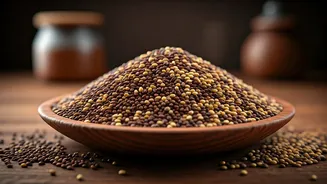
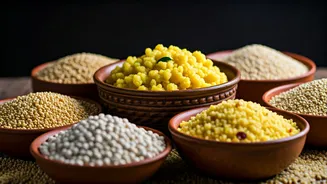
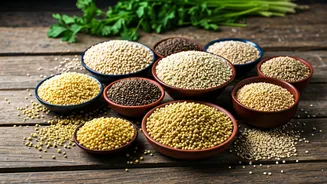
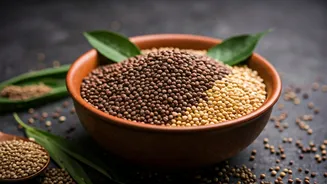
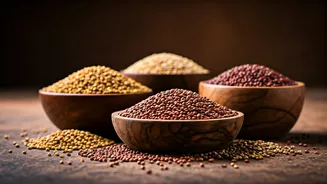
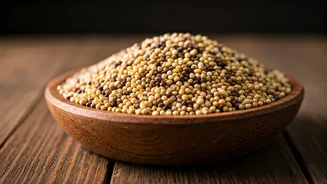
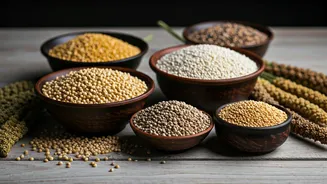
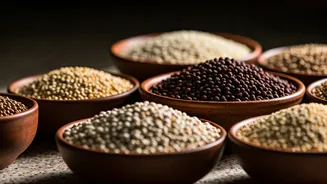
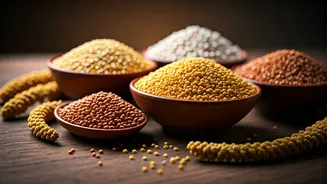
Not all millets are created equal, but several varieties work wonderfully as a substitute for rice. For a texture and appearance that’s very close to traditional curd rice, little millet (samai) is an excellent choice. It cooks up soft and white, making the swap almost unnoticeable. Barnyard millet (sama or kuthiravali) is another fantastic option, known for its light and fluffy texture. Foxtail millet (thinai or kangni) and kodo millet (varagu) are also popular choices that blend well with the creaminess of the curd. Each millet has a slightly different, subtly nutty flavour, so feel free to experiment to find your personal favourite. Most of these are readily available in Indian grocery stores.
The Perfect Millet Curd Rice Method
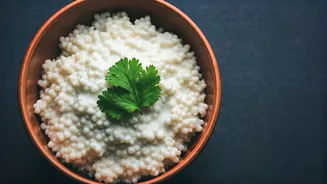
Creating millet curd rice is just as simple as the original. The key is to cook the millet correctly. Start by rinsing half a cup of your chosen millet. You can cook it in a pressure cooker with about 1.5 cups of water for 4-5 whistles or boil it in an open pot with 2 cups of water until it's soft and mushy. Once cooked, let the millet cool down completely. This step is crucial; adding curd to hot millet can cause it to split and can also kill the beneficial probiotic bacteria in the yogurt. Once cool, gently mash the millet with a spoon to achieve that classic creamy consistency. Now, whisk your curd (about three-quarters of a cup) until smooth, perhaps with a splash of milk or water to get a pourable consistency, and mix it into the mashed millet. Add salt to taste.
Elevating Your Bowl with Tempering and Toppings
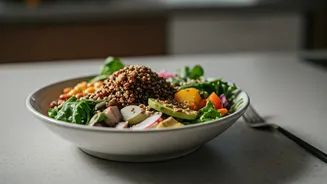
No curd rice is complete without a flavourful tempering, or tadka. Heat a teaspoon of oil or ghee in a small pan. Add half a teaspoon of mustard seeds and let them splutter. Then, add a teaspoon of urad dal, a chopped green chilli, some grated ginger, and a sprig of curry leaves. Sauté for a minute until the dal turns golden brown. For extra crunch, you can add peanuts or cashews to the tempering. Pour this aromatic mixture over your millet and curd base and mix well. To finish, elevate your bowl with fresh toppings. The sweetness of pomegranate arils, the crunch of grated carrots and cucumber, and the freshness of finely chopped coriander leaves add texture, colour, and an extra dose of nutrients to your upgraded curd rice.