





Planning a tiger safari? While summer is often praised for sightings, the crisp, cool air of winter unveils a different kind of magic in Ranthambore and Jim Corbett. Here’s why the colder months might just be the perfect time for your adventure.
Comfortable Climate and Active Tigers
The most
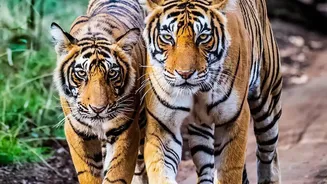
straightforward advantage of a winter safari is the pleasant weather. From November to February, daytime temperatures in both parks are comfortable, making long jeep rides enjoyable rather than an endurance test against scorching heat. This cool air has a significant impact on tiger behaviour. Unlike in the sweltering summer when tigers seek shade and rest during the day, winter encourages them to be more active for longer periods. They often roam their territories, patrol pathways, and can even be seen basking in the gentle sun to warm up, dramatically increasing the window for potential sightings throughout the day. Morning safaris, though chilly, are particularly rewarding.
Improved Visibility and Lush Landscapes
After the monsoon, the forests are rejuvenated and lush, but as winter progresses, the dense undergrowth begins to thin out. In the dry deciduous forests of Ranthambore, this effect is especially pronounced. The shedding of leaves opens up the landscape, making it easier to spot a tiger moving through the trees or across a clearing. While Jim Corbett's forests remain denser, the reduced foliage still improves visibility compared to the post-monsoon months. This combination of a still-green landscape from the recent rains and clearer lines of sight offers a perfect balance of scenic beauty and practical wildlife spotting. The early morning mist that often blankets the parks in winter adds a magical, atmospheric quality to the experience.
Ranthambore's Royal Winter Stage
Ranthambore offers a unique and dramatic backdrop for winter safaris. The park is dotted with ancient ruins, temples, and the magnificent Ranthambore Fort, which create a stunning contrast against the winter landscape. A tiger resting on the steps of an old hunting pavilion or walking past a crumbling archway is a photograph no other park can offer. The park's famous lakes, like Padam Talao and Rajbagh Talao, are hubs of activity. The open terrain and higher visibility make Ranthambore a top choice for those whose primary goal is a clear tiger sighting. Tigers here are also known to be more accustomed to safari vehicles, making them less elusive.
Jim Corbett's Immersive Wilderness
While Ranthambore is about drama, Jim Corbett offers a wilder, more immersive jungle experience in winter. Located in the Himalayan foothills, its landscape is a diverse mix of dense Sal forests, grasslands (chaurs), and the Ramganga River. Though its dense foliage can make spotting tigers more challenging than in Ranthambore, the park has one of India's highest tiger densities. Winter safaris here are not just about tigers; the park is a haven for elephants and incredible birdlife, with many migratory species present. The thrill in Corbett lies in the chase and the feeling of being in a truly untamed wilderness, where a sighting feels earned and exceptionally rewarding. The Dhikala zone is particularly famous for its vast grasslands and high chances of sightings.
A Photographer's Dream
For wildlife photographers, winter provides a distinct advantage: the light. The soft, golden sunlight of the winter months is far more forgiving and atmospheric than the harsh glare of summer. Misty mornings create ethereal scenes, perfect for capturing a tiger emerging from the fog or the silhouette of deer against the sunrise. The vibrant orange winter coat of a tiger stands out beautifully against the lingering green of the forest. In Ranthambore, the clear light highlights the texture of the ancient ruins, while in Corbett, it filters through the dense canopy to create dramatic shafts of light, offering unique photographic opportunities in both parks.