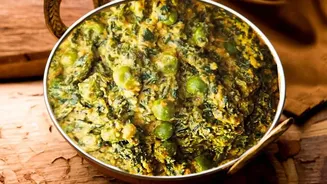




Upma is a cornerstone of Indian breakfast, a seemingly simple dish of savoury semolina. But beyond the basic recipe lies a fascinating world of regional variations, each with a unique personality and its own perfect chutney companion.
The South Indian Classic: Rava Upma
This is the version
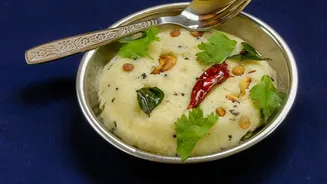
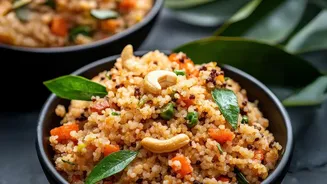
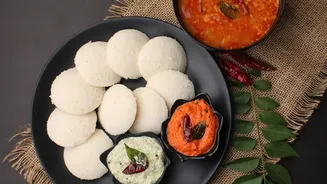
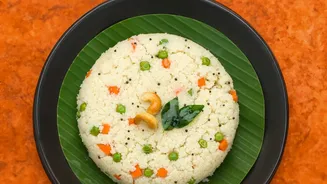
most people picture when they think of upma. Hailing from Tamil Nadu and popular across South India, classic Rava Upma is celebrated for its simplicity and comforting flavour. It's made by cooking dry-roasted semolina (rava or sooji) with a tempering of mustard seeds, urad dal, curry leaves, and green chillies. Onions are often sautéed until translucent, and sometimes cashews are added for a rich crunch. The goal is a soft, fluffy texture where the grains are distinct, not mushy. A final squeeze of lemon juice brightens the flavours. Its mild, savoury profile makes it a perfect canvas. The undisputed best partner for this upma is a classic coconut chutney. The chutney’s creamy texture and fresh, mild flavour perfectly complement the savoury notes of the upma without overpowering it.
Karnataka’s Spicy Kick: Khara Bath
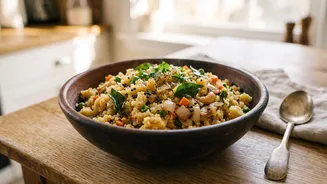
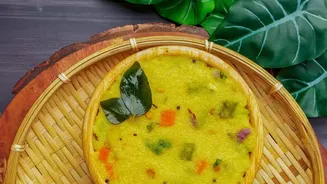
Travel to Karnataka, and upma transforms into the robust and aromatic Khara Bath. While it shares a base of rava and vegetables with its Tamil cousin, Khara Bath is defined by its spice blend. A special masala powder, often Vangi Bath powder or a similar home blend of roasted dals and spices, is added during cooking. This gives the dish a vibrant yellow or orange hue from turmeric and a more complex, spicy flavour profile. It's typically loaded with vegetables like carrots, peas, beans, and often tomatoes, making it a heartier one-pot meal. Because it’s so flavourful, Khara Bath can easily be eaten on its own. However, when served with a side, it’s almost always a simple coconut chutney. The cooling, creamy chutney provides a beautiful contrast to the spiciness of the bath, creating a perfectly balanced bite.
Maharashtra’s Softer Side: Sanja
In Maharashtra, upma is known as Sanja or Tikhta Sanja ('tikhta' meaning spicy). It stands out for its softer, often moister texture and the prominent use of turmeric, which lends it a signature yellow colour. The preparation often includes onions, green chillies, and sometimes peanuts for crunch. What makes it distinctly Maharashtrian is that some variations are made with buttermilk instead of water, which adds a subtle tanginess. It can also include potatoes and has a hint of sugar to balance the flavours. Sanja is commonly served hot with a dollop of yogurt or a side of tangy pickle, like a homemade lemon or mango pickle, which cuts through the richness and complements its gentle spice.
The Tangy Favourite: Tomato Upma
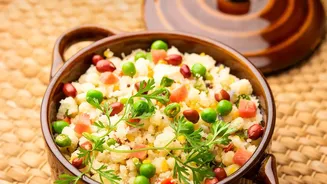
A colourful and tangy twist popular across many parts of India, Tomato Upma (or Thakkali Upma) makes the humble tomato the star of the show. Generous amounts of ripe tomatoes are sautéed with the usual tempering of spices, onions, and ginger, creating a rich, savoury, and slightly sour base. As the semolina cooks, it absorbs this tangy tomato flavour, resulting in a dish that is vibrant in both taste and appearance. Often, vegetables like peas and carrots are also included. Due to its inherent tanginess, Tomato Upma pairs wonderfully with a variety of chutneys. While a simple coconut chutney works, a spicy tomato chutney can amplify the flavour for those who love a double dose of tomato. Another great option is a chutney with a hint of herbs, like a coriander or mint chutney, which adds a layer of freshness.
The Wholesome All_Rounder:' Vegetable Upma
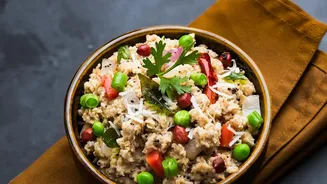
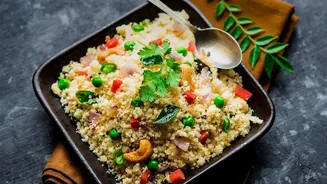
While many regional versions include vegetables,' the term Vegetable Upma usually refers to a version packed with a medley of chopped veggies,' making it a nutritious and filling meal.' Carrots,' green peas,' beans,' and sometimes capsicum are sautéed with the tempering before the rava and water are added.' This style is less about a specific regional spice blend and more about celebrating the textures and flavours of the vegetables themselves.' It’s the go_to recipe for parents looking to sneak more veggies into their kids'' diets.' Because the flavour can vary depending on the vegetables used,' the chutney pairing is flexible.' A simple coconut chutney is always a safe bet.' For a more robust meal,' it can be served with sambar.' A peanut chutney also works well,' adding a nutty richness that complements the mixed vegetables.