





The Science Behind the Burn
Freezer burn isn't a burn in the traditional sense; it's a form of dehydration. It occurs through a process called sublimation, where ice crystals on the surface of food turn directly into water vapor, bypassing the liquid stage. This happens when food is exposed
to the cold, dry air of the freezer, often due to improper packaging. As the food's own moisture escapes, oxygen can seep in, causing changes to the food's surface. The longer an item is frozen, or the more the temperature fluctuates from opening the door, the more likely freezer burn becomes.
How It Affects Flavour, Colour and Texture
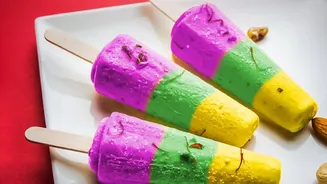
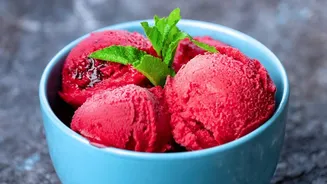
The loss of moisture and exposure to oxygen are what degrade the quality of your food. Visually, you might see grayish-brown leathery spots on meat or poultry, or vegetables that look shriveled and dull. Ice cream loses its creaminess and develops a layer of large ice crystals on top. The texture becomes the biggest casualty; meats become tough and dry, vegetables can get a woody texture, and baked goods turn rough. Flavour also takes a significant hit. The food can taste bland, stale, or even acquire an 'off' flavour from oxidation, especially in fatty foods like sausage or salmon.
The Big Question: Is It Safe?
Here's the good news: food with freezer burn is almost always safe to eat. According to the USDA and other food safety experts, as long as your freezer has remained at a consistent 0°F (-18°C) or below, harmful bacteria cannot grow. Freezer burn is a quality issue, not a safety issue. The food may not be as enjoyable due to the changes in texture and taste, but it won't make you sick, provided it was fresh when frozen and hasn't spoiled due to other issues like a power outage.
Your Guide to Prevention
Preventing freezer burn is all about minimizing air exposure and maintaining a stable temperature. The single most important step is proper packaging. Use containers and bags specifically designed for freezer use. When using freezer bags, press out as much air as possible before sealing. For even better protection, consider a vacuum sealer, which creates an airtight environment that can keep food fresh up to five times longer. Double-wrapping meats in plastic wrap or foil before placing them in a bag can also provide an extra barrier. Finally, try to keep your freezer well-organized and not too full, label everything with a date, and use older items first to ensure nothing gets lost in the icy depths for too long.
Can You Salvage It?
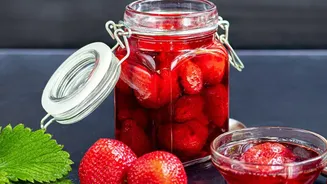
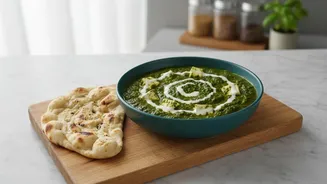
If you do find a freezer-burned item, don't throw it out just yet. For mild cases, you can often salvage the food. On larger cuts of meat, you can simply trim away the discolored, leathery spots before cooking. Since the main issue is dryness, using cooking methods that add moisture can help. Braising, stewing, or using the meat in a flavourful soup or curry can disguise the textural changes. A strong marinade can also help reintroduce flavour and moisture. For freezer-burned fruits, blending them into a smoothie is an excellent way to use them up without noticing the textural imperfections.