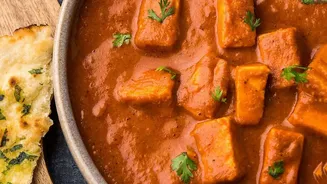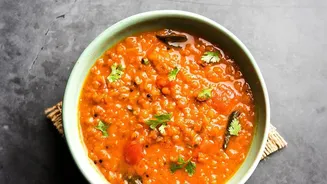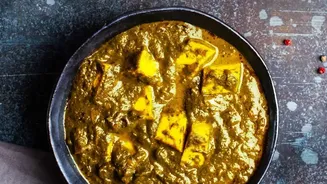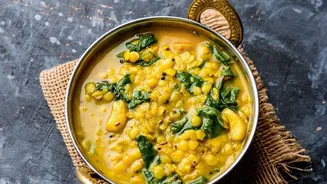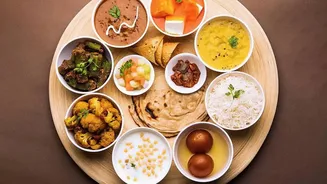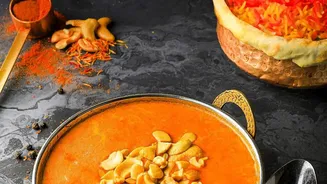



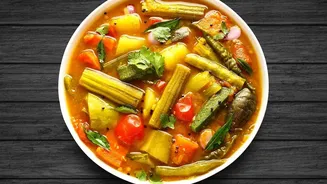
It’s a universally acknowledged truth in many Indian households: yesterday’s dal or curry often tastes richer, deeper, and more satisfying. You’re not imagining it. This kitchen magic has a real scientific explanation rooted in chemistry.
Flavours Mingle and Marry
When you first
cook a curry, the different ingredients release their distinct flavours. You might taste the sharp bite of ginger, the heat from chillies, and the tang of tomatoes as separate notes. As the dish cools and rests in the refrigerator, a process called flavour equilibration begins. The various aromatic compounds from spices, herbs, onions, and garlic continue to move and mingle, dissolving into the fats and liquids of the gravy. Instead of tasting individual components, you experience a more rounded, cohesive flavour profile where everything has had time to become one. These chemical reactions continue long after the cooking has stopped, creating new and more complex flavour molecules overnight.
Spices Settle Down and Deepen
Many of the signature aromas and tastes in Indian spices come from volatile oils. When a dish is freshly cooked, the most aggressive and pungent of these compounds are prominent. Overnight, these harsher notes mellow out through oxidation. The flavours of spices like turmeric, cumin, and coriander become less sharp and integrate more deeply into the sauce. This doesn't mean the dish becomes bland; rather, the spice profile becomes more balanced and harmonious. Whole spices like cardamom and cloves continue to slowly release their essential oils, further enriching the gravy as it rests.
The Crucial Role of Fat and Acid
Fat is the ultimate flavour carrier. In Indian cooking, ghee, oil, or coconut milk act as solvents for the fat-soluble aromatic compounds found in most spices. While these fats absorb flavour during cooking, the cooling and resting period allows them to distribute that flavour more evenly throughout the entire dish. At the same time, acidic ingredients like tomatoes, yogurt, or tamarind work to tenderise proteins and cut through the richness of the fat. This acidic action continues as the food rests, helping to break down ingredients further and create a more balanced mouthfeel where richness and brightness are in perfect harmony.
Aromatic Transformations
Ingredients like onions and garlic are foundational to most Indian gravies, but their chemistry changes significantly over time. When fresh, their sulfur compounds are pungent and sharp. As the dish rests, these compounds continue to react and break down, losing their raw bite and contributing a deeper, sweeter flavour to the base of the curry. Similarly, starches from ingredients like potatoes or lentils continue to break down into simpler sugars, adding a subtle sweetness that balances the heat and spice. Proteins in meat or dals also break down further, not only making them more tender but also releasing more savory amino acids like glutamate, which enhances the perception of umami, or savoriness.
Texture and Consistency Improve
The improvement isn't just about taste; it's also about texture. As a curry cools, starches released from potatoes and lentils, along with gelatin from meat cooked on the bone, cause the gravy to thicken naturally. This process, known as gelatinisation, helps trap flavour compounds. When you reheat the dish, this gelatin melts, creating a smoother, more velvety mouthfeel and a sauce that clings beautifully to rice or bread. Furthermore, the main ingredients like vegetables or chunks of paneer have more time to absorb the surrounding gravy, much like a sponge, ensuring every bite is infused with flavour from the inside out.