



A Season Defined by Cravings
The Indian monsoon is more than a weather event; it's an entire season of the soul that transforms the landscape, our moods, and our appetites. The drop in temperature and the smell of wet earth trigger a near-primal urge for specific foods. Science explains
this phenomenon partly through biology: cooler weather makes our bodies desire warm, energy-dense foods. Less sunlight can also lead to a dip in serotonin, prompting our brains to seek a quick lift from comforting carbs and fats. But in India, this craving is also deeply cultural. The sound of rain has become inextricably linked to the sizzle of something frying, a sensory memory passed down through generations. This shared experience, repeated in millions of homes and at countless street-side stalls, has made snacks like pakoras synonymous with the season.
The Undisputed Reign of the Fritter
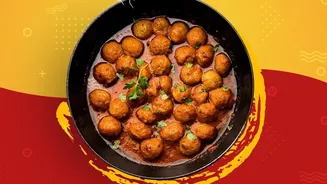
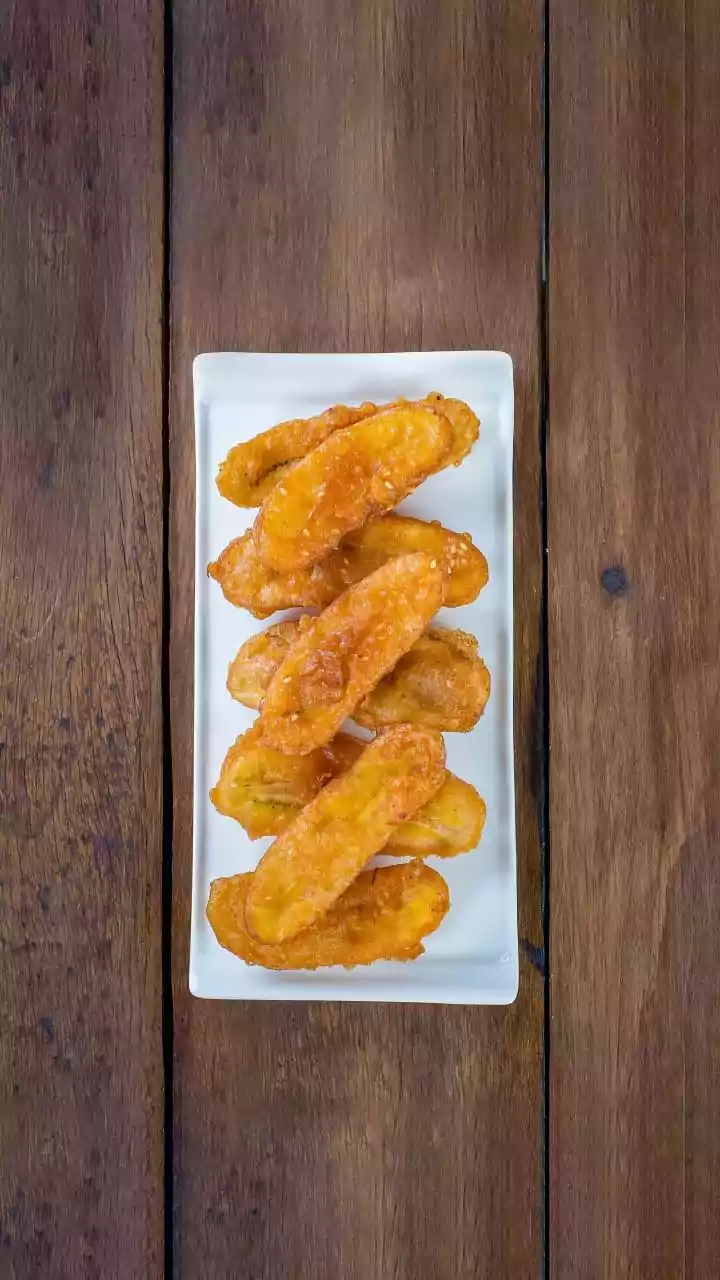
When it comes to monsoon snacks, the spicy fritter is king. Known variously as pakora, bhajiya, bajji, or telebhaja, its fundamental formula is universal: a vegetable or protein is coated in a spiced gram flour batter and deep-fried to golden perfection. From the classic onion and potato pakoras of the north to Kerala’s banana-based pazhampori, every region has its own beloved version. The appeal is multi-sensory. It’s the satisfying crunch that contrasts with the soft interior, the aromatic steam that hits you before the first bite, and the fiery spice that perfectly complements a cup of hot chai. This combination creates a powerful contrast to the cool, damp weather outside, offering a pocket of warmth and crunchy defiance against the sogginess of the season.
The Gentle Rise of the Steamed Rice Cake
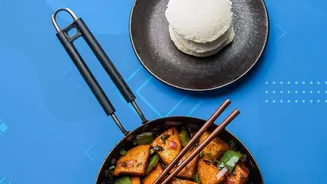
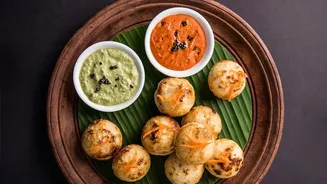
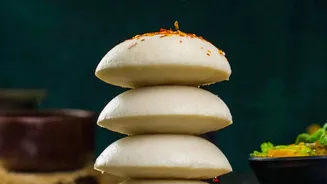
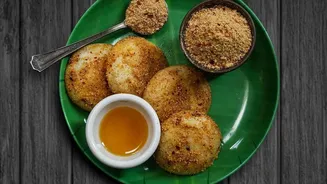
While fritters provide the crunch, a quieter contender has emerged as its perfect counterpart: the steamed rice cake. Dishes like Kerala’s soft, slightly sweet Vattayappam, Goa’s Sanna, and Gujarat's famous Dhokla offer a different kind of monsoon comfort. Made from fermented rice batter and steamed, these cakes are light, fluffy, and gentle on the stomach—a welcome attribute during a season when digestion can be sluggish. They provide warmth without the heaviness of fried foods. Their subtle flavours, often infused with coconut or a mild tempering of spices, serve as a perfect balance to the aggressive spice and oiliness of fritters, creating a culinary partnership that caters to every mood and craving.
From Kitchens to Viral Feeds
So what makes these traditional snacks “viral” in 2026? The answer lies in social media. Platforms like Instagram and YouTube have become powerful tools for amplifying food culture. Food bloggers and home cooks have transformed these humble dishes into visual feasts. A well-shot video can capture the dramatic sizzle of a pakora hitting hot oil, the satisfying crunch of the first bite (hello, ASMR), or the ethereal steam rising from a freshly made Vattayappam. These visually irresistible posts spread like wildfire, reintroducing traditional recipes to a younger generation and turning a personal, home-cooked experience into a shared, digital trend. The hashtag #monsoonsnacks is no longer just about food; it's about capturing and sharing a feeling.
A Perfect Pairing of Contrasts
The combined success of fritters and rice cakes lies in their beautiful contrast. One is crispy, spicy, and indulgent; the other is soft, mild, and comforting. Together, they form a complete sensory experience. You can start with the fiery crunch of a pakora and then soothe your palate with a bite of a pillowy rice cake. This combination acknowledges our conflicting monsoon desires: the need for a bold, flavourful pick-me-up and the longing for gentle, easy nourishment. It’s a pairing that reflects a mature understanding of comfort food, where indulgence and wellness find a way to coexist on the same plate, perfectly suited for a rainy afternoon.