








The Illusion of 'In-Transit'
For most travellers, a layover means staying 'airside' in the international transit area of an airport, a sterile zone where you haven’t officially entered the country. However, this is only sometimes the case. The moment you need to pass through immigration
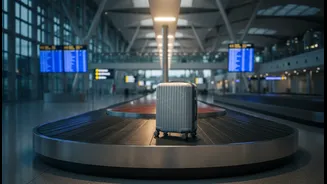
or passport control, you are legally entering that nation. A common reason for this is needing to collect your checked baggage. To get to the baggage claim carousels, you typically have to exit the secure transit zone and go 'landside', which means passing through an immigration checkpoint. After collecting your bag, you then have to go to the departures area, check it in for your next flight, and clear security all over again. This simple act of retrieving a suitcase can trigger full entry requirements, including the need for a valid visa, depending on your passport and the country you are in.
The Tale of Two Tickets
The critical factor is often how your flights were booked. On a single ticket (under one Passenger Name Record or PNR), your flights are connected. The airlines have an agreement, and your bags are usually 'checked through' to your final destination. You won't see them during your layover. However, to save money, many travellers and booking websites now create itineraries by 'stitching' together separate flights on different, often non-partnered airlines. This is known as a 'self-transfer'. In this scenario, the airlines have no obligation to transfer your luggage. Each flight is a separate journey, and you are responsible for collecting your bags and checking them in for the next leg. This is where the trouble begins, as it forces you through immigration.
Why Self-Transfers Exist
Self-transfer itineraries have become popular mainly because they can be significantly cheaper. Online travel agencies can combine a long-haul flight on a legacy carrier with a connecting flight on a regional budget airline that would never be sold together on a single ticket. These are often labelled as a 'hacker fare' or come with a 'self-transfer' warning that is easy to overlook. While the savings can be tempting, they come with significant risks. Besides the potential visa complications, if your first flight is delayed and you miss your connection, the second airline will likely cancel your ticket as a 'no-show', forcing you to buy a new, expensive last-minute ticket. Your travel insurance may not cover this unless you have a specific policy for self-transfer connections.
Airports and Countries to Watch
Some countries make this process mandatory for all international arrivals, regardless of your ticket type. The United States and Canada are prime examples. When you first land in either country from an international flight, you must clear immigration, claim your baggage, and clear customs at your first port of entry. Even if your bag tag says it's going to your final destination, you have to collect it and then re-check it at a transit desk. A similar rule applies in India for travellers arriving from an international flight and connecting to a domestic one; you must clear customs and re-check your bags at the first airport you land in. Always research the specific policies of your transit airport and country, as these rules can vary widely.
How to Plan for a Smooth Journey
The best way to avoid this travel headache is through careful planning. Firstly, whenever possible, book your entire journey on a single ticket (one PNR) to ensure your luggage is checked through to the end. Secondly, if you must book a self-transfer, travel with carry-on luggage only. This is the most effective way to avoid the baggage claim and re-check process, allowing you to stay airside. If you must check a bag on a self-transfer itinerary, allow a very long layover—at least four to six hours for international connections—to account for delays, immigration queues, and the re-check process. Most importantly, always check the visa requirements for your transit country based on your passport. Assume you will need to legally enter the country and secure any necessary visas or electronic travel authorisations well in advance. A quick check on the country’s official immigration website or with its embassy can save you from being denied boarding on your first flight.