




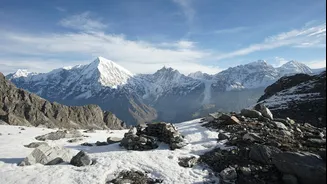

In an age of constant connectivity, a growing number of young urban travelers are seeking a different kind of escape. They're trading crowded cities for quiet mountainsides, not just for hiking, but for the profound solitude of a star-filled sky.
The Search for a Deeper Quiet
The latest
travel trend isn't about finding the busiest nightlife or the most Instagrammable brunch spot; it's about finding nothing at all. Astro-tourism, or travel centered on stargazing, is booming among younger generations, particularly millennials and Gen Z. Fatigued by digital noise and demanding schedules, these travelers are increasingly choosing vacations that offer emotional restoration and a genuine sense of peace. This has fueled a pivot from performative, fast-paced itineraries to slow, meaningful experiences. Stargazing requires no productivity, only patience and awe. It offers a rare chance to disconnect from screens and reconnect with something vast and ancient—a powerful antidote to the pressures of modern urban life. The search for this celestial silence is leading them to some of the most remote corners of the globe, with India's Himachal Pradesh emerging as a key destination.
The Himalayan Advantage
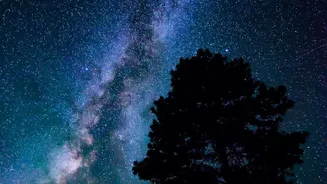
Nestled in the Indian Himalayas, Himachal Pradesh offers the perfect trifecta for serious stargazing: high altitude, clear air, and minimal light pollution. Its cold desert regions, like the famed Spiti Valley, are situated at elevations over 12,500 feet, where the thin, dry atmosphere provides exceptionally sharp views of the cosmos. With a sparse population and its location in a rain shadow, the valley boasts over 250 clear nights a year, making it a reliable haven for astronomers and casual observers alike. Remote villages such as Langza, Komic, and Kibber have become go-to spots, offering some of the darkest skies in India, rated as Bortle Class 1—the highest level of darkness. Here, the Milky Way is not just a faint smudge but a brilliant band of light bright enough to cast soft shadows.
An Economy Built on Starlight
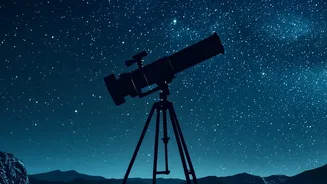
The growing interest in its pristine skies has not gone unnoticed. In a forward-thinking move, the government of Himachal Pradesh has begun to officially foster astro-tourism as a way to empower local communities. In 2025, the state launched a stargazing facility in Kaza, the headquarters of Spiti Valley, distributing high-end computerized telescopes to local residents and homestay owners. This community-led model involves training local youth to become astronomy guides, allowing them to lead night-sky observation sessions for tourists. The initiative, supported by scientific institutions like the Indian Institute of Astrophysics, aims to integrate science with local culture, creating sustainable economic opportunities that don't disrupt the region's natural tranquility. It turns a natural resource—darkness—into a source of livelihood.
More Than Just Looking Up
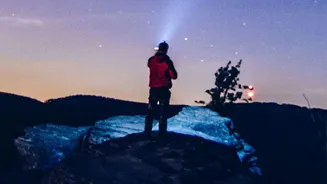
For the young travelers flocking to Himachal, the experience is about more than just astronomy. It's a holistic retreat defined by solitude and cultural immersion. A typical trip combines daytime adventures—like exploring ancient monasteries, hiking through breathtaking landscapes, or hunting for marine fossils in Langza—with quiet nights spent under the stars. Many opt to stay in local homestays, sharing meals with Spitian families and experiencing a simpler, more connected way of life far from Wi_Fi signals and city chaos. This blend of adventure, cultural connection, and deep quiet is precisely what makes the journey so transformative. It's an opportunity to find solitude not in isolation, but in a profound connection to nature and a community that lives in harmony with it. The journey itself, often involving long drives through treacherous mountain roads, becomes part of the appeal—a true pilgrimage away from the modern world.