



What Makes Shokupan Special?
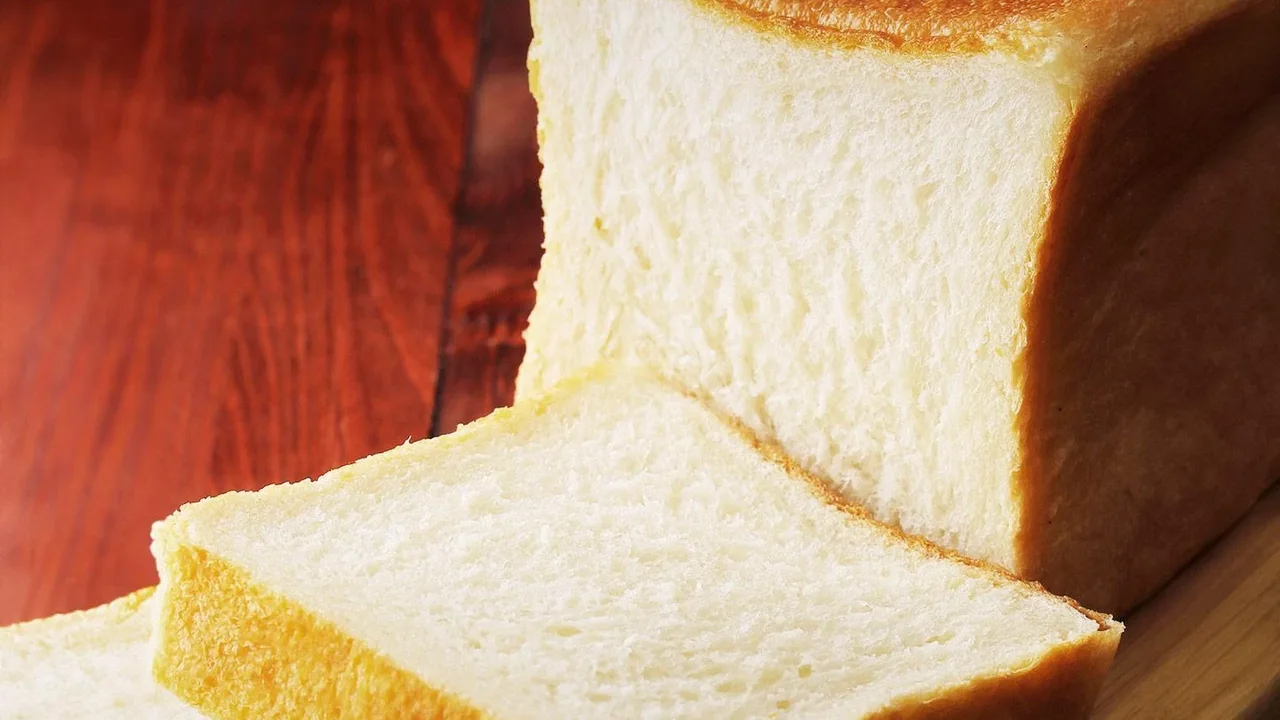
At first glance, Shokupan might look like a simple loaf of white bread. But one touch reveals its signature characteristic: an incredibly soft, moist, and airy texture. Known for its delicate, slightly sweet flavour and rich, milky taste, this bread is a world
away from a standard sandwich loaf. It typically has a thin, tender crust and a dense yet light crumb that is almost shreddable. Its clean, rectangular shape, often achieved by baking in a special lidded pan called a Pullman loaf pan, makes it perfect for evenly sized, thick slices. The name itself, 食パン (shokupan), translates simply to “eating bread,” a testament to its role as an everyday essential in Japan.
The Secret Behind the Softness
The magic of Shokupan’s pillowy texture lies in a specific baking technique known as the Tangzhong or Yudane method. This process involves cooking a small portion of the flour and a liquid (either water or milk) into a thick paste or slurry before adding it to the rest of the dough ingredients. This pre-gelatinised starch is able to absorb and hold onto significantly more moisture. When this paste is incorporated into the final dough, it results in a bread that is exceptionally soft, springy, and has a longer shelf life, staying fresh and moist for days without the need for preservatives. This scientific approach to baking is what gives Shokupan its celebrated, melt-in-your-mouth quality.
A Slice of Japanese Daily Life
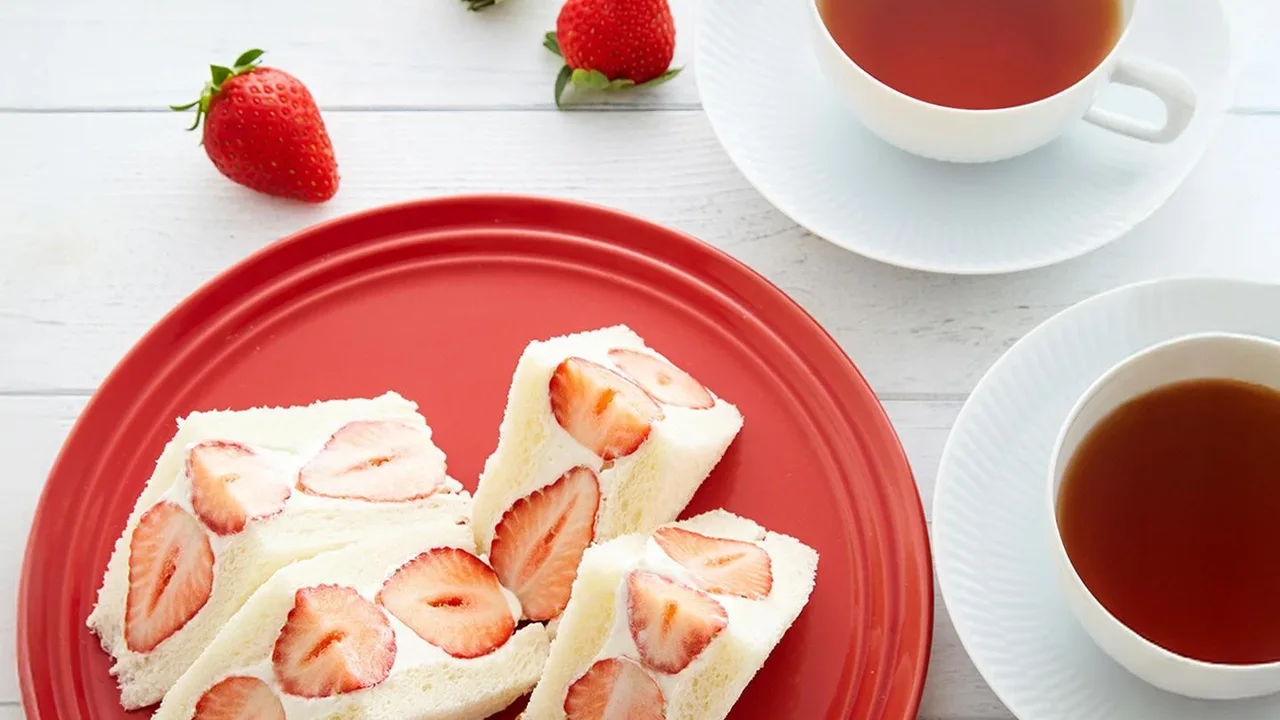
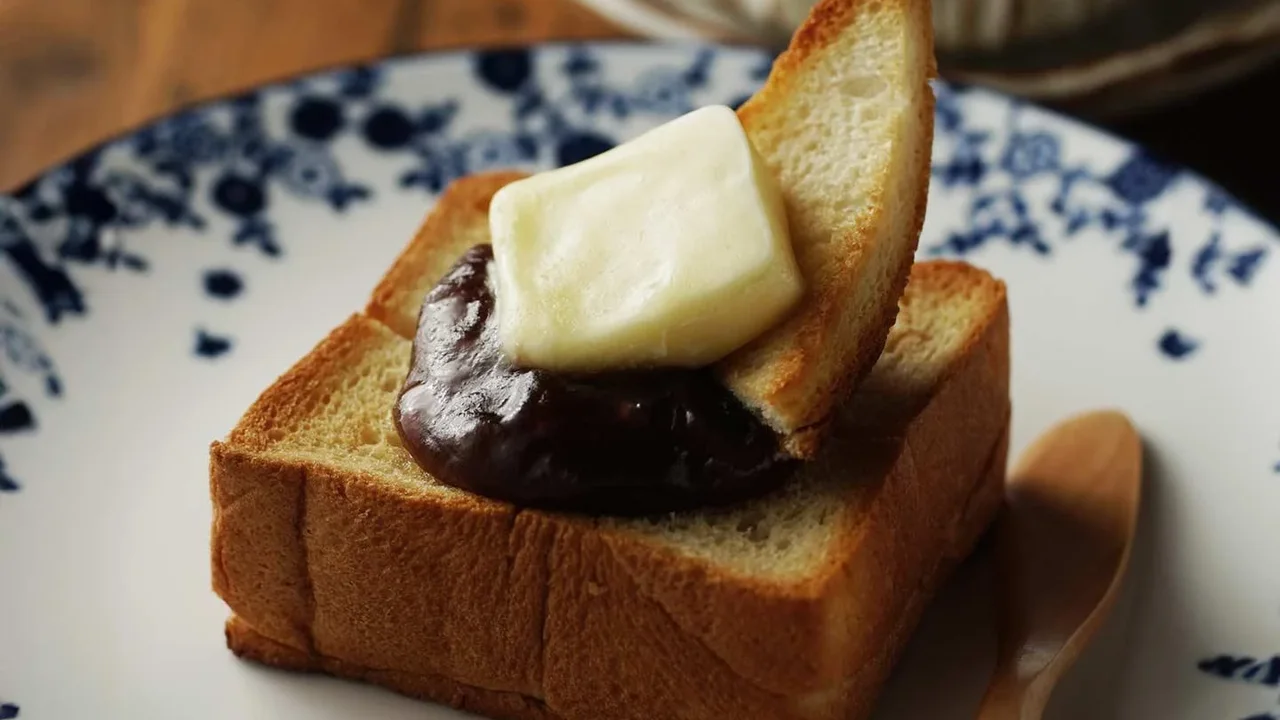
While bread isn't a traditional part of ancient Japanese cuisine, it became widely popular after World War II. Over the decades, Japanese bakers refined Western-style bread to suit local tastes, leading to the perfection of Shokupan. Today, it's a beloved staple, found in virtually every supermarket, convenience store, and bakery across Japan. It's most commonly enjoyed as thick-cut toast for breakfast, often served with just a pat of butter to let its flavour shine. It also serves as the foundation for the iconic 'sando'—Japanese-style sandwiches with fillings like egg salad (tamago sando) or a breaded pork cutlet (katsu sando). Its subtle sweetness also makes it a perfect partner for fresh fruit and cream in fruit sandos, a popular and visually stunning treat.
A Global Phenomenon
In recent years, Shokupan's popularity has exploded far beyond Japan’s borders. Sparked by social media and a growing global appreciation for Japanese culinary craftsmanship, artisanal bakeries from London to Bangalore are now dedicated to mastering this loaf. In India, the rise of Shokupan reflects a broader trend of diners embracing global bread traditions beyond the familiar. Micro-bakeries in cities like Bengaluru and Delhi are finding eager customers who are captivated by the bread's unique texture and versatility. As one Delhi-based founder noted, with Indian diners already in love with sushi and ramen, sandwiches made with Shokupan are the natural next step. This 'cloud bread' is becoming a cafe favourite, proving that the desire for high-quality, comforting food is universal.