





Why High Humidity Is a Hidden Menace
When we think of monsoon damage, we often picture leaks. But the bigger, more insidious problem is humidity—the high moisture content in the air. When indoor humidity rises above 50-60%, it creates the perfect breeding ground for mould and mildew. This
isn't just a cosmetic issue; it can lead to musty smells, ruin clothes and books, warp wooden furniture, and cause paint to peel. More importantly, mould spores can trigger allergies, worsen respiratory conditions like asthma, and cause other health issues. In a rental property, where you may not know the building's history, being vigilant is crucial.
The First Line of Defence: Use Your Senses
Your nose is often the first detector of a humidity problem. A persistent musty, earthy, or stale smell, especially in closed spaces like wardrobes or cabinets, is a major red flag. This odour is caused by Mould-Volatile Organic Compounds (MVOCs), which are gases produced by mould and can be present even if you can't see any growth. If a room smells stuffy or like an old, damp basement after being closed for a while, trust your instinct. It's a clear sign that moisture is trapped somewhere, and you need to investigate further.
Inspect Walls and Ceilings for Telltale Signs
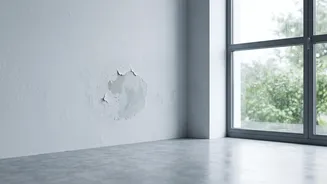
Visually inspect all walls and ceilings, especially in corners, behind furniture, and near windows. Look for discoloured patches, which can be yellowish or brownish stains from water. Check for bubbling, peeling, or flaking paint, as this indicates moisture is pushing the paint off the wall from behind. Also, keep an eye out for a white, powdery substance on concrete or brick walls. This is efflorescence, which happens when water-soluble salts are left behind as moisture evaporates from the wall, signalling a dampness issue. Small black, green, or grey spots are visible mould and should be addressed immediately.
Check Wooden Furniture, Doors, and Wardrobes
Humidity is particularly damaging to wooden items. Check if doors, windows, or drawers are swollen and difficult to open or close; this happens when wood absorbs moisture from the air. Inspect the back panels of wardrobes and the area of the wall behind your bed and cupboards. These spots have poor air circulation, making them prime locations for dampness and mould to take hold. A fuzzy white or green film on leather goods or shoes stored in a wardrobe is a sure sign of excessive moisture. Using naphthalene balls or silica gel pouches inside enclosed spaces can help absorb some of this excess moisture.
Don't Ignore Condensation and Seepage
Condensation on the inside of windows, mirrors, or on cold water pipes and toilet tanks is an early warning sign that the humidity inside your home is too high. While it might seem harmless, this moisture can drip down and cause damage to sills, floors, and walls over time. Also, be vigilant about seepage. Check under sinks in the kitchen and bathrooms, around the base of the toilet, and near the fittings for your geyser or water purifier. Tiny drips or damp patches in these areas can escalate into major problems during the constant dampness of the monsoon.
What to Do When You Find a Problem
If you find signs of damp or mould, act quickly. First, document everything with clear photos and videos, making sure to show the location and extent of the damage. Then, inform your landlord in writing (email or WhatsApp is fine) with the evidence attached. Landlords are generally responsible for major repairs like structural leaks and seepage issues. While awaiting repairs, improve ventilation as much as possible by using exhaust fans and opening windows when it's not raining. Move furniture a few inches away from damp walls to allow air to circulate and prevent further damage.