


The Sun's Turbulent Outbursts
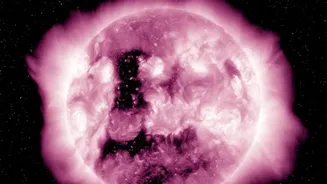
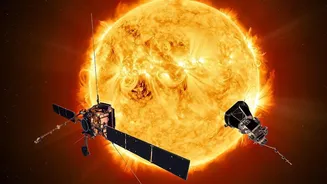
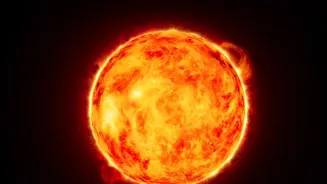
Our sun, the source of life on Earth, has a volatile side. It periodically releases massive bursts of energy and particles in events known as solar storms. These can manifest as solar flares, which are intense flashes of radiation, or as Coronal Mass
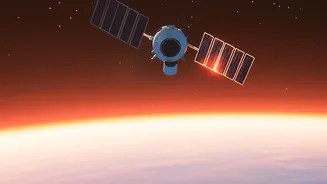
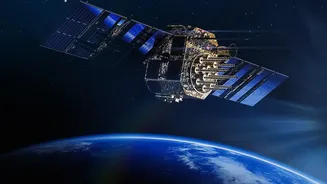
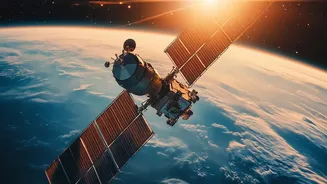
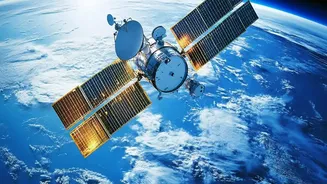
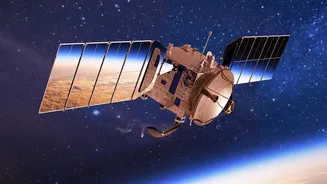
Ejections (CMEs), which are colossal clouds of solar plasma and magnetic fields hurled into space at incredible speeds. When these storms are directed at Earth, they can have significant consequences for our technology-dependent society. While our planet's magnetic field and atmosphere protect us on the ground, satellites orbiting above are far more exposed.
How Solar Storms Threaten Satellites
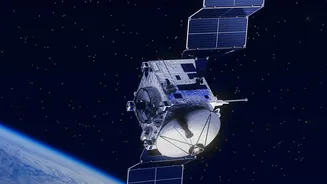
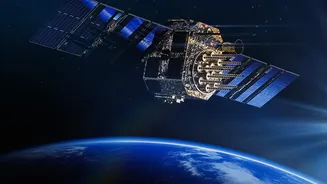
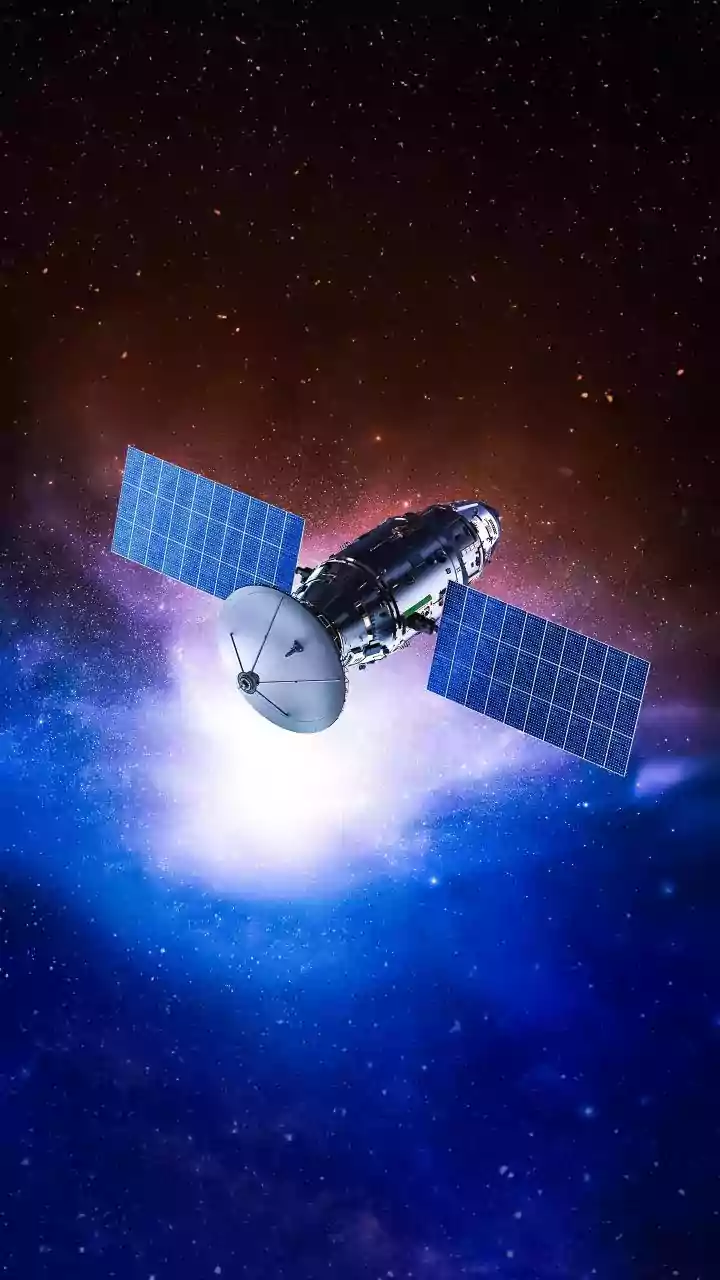
The danger to satellites is multi-faceted. High-energy particles from a solar storm can penetrate satellite shielding and damage sensitive electronics, causing malfunctions or even complete failure. This is sometimes called a single-event upset, where a data bit can flip from a 0 to a 1, potentially leading a satellite to enter an unplanned 'safe mode' to protect itself. Another major threat, particularly for satellites in Low Earth Orbit (LEO), is atmospheric drag. During a geomagnetic storm, the Earth's upper atmosphere heats up and expands, increasing its density. This increased density acts like a brake on satellites, causing them to lose altitude. Without the ability to correct their orbit, they risk premature re-entry into the atmosphere. Furthermore, these storms can disrupt the radio signals used to communicate with and control satellites, and can also interfere with GPS signals, causing them to become inaccurate.
The Global Watchtowers
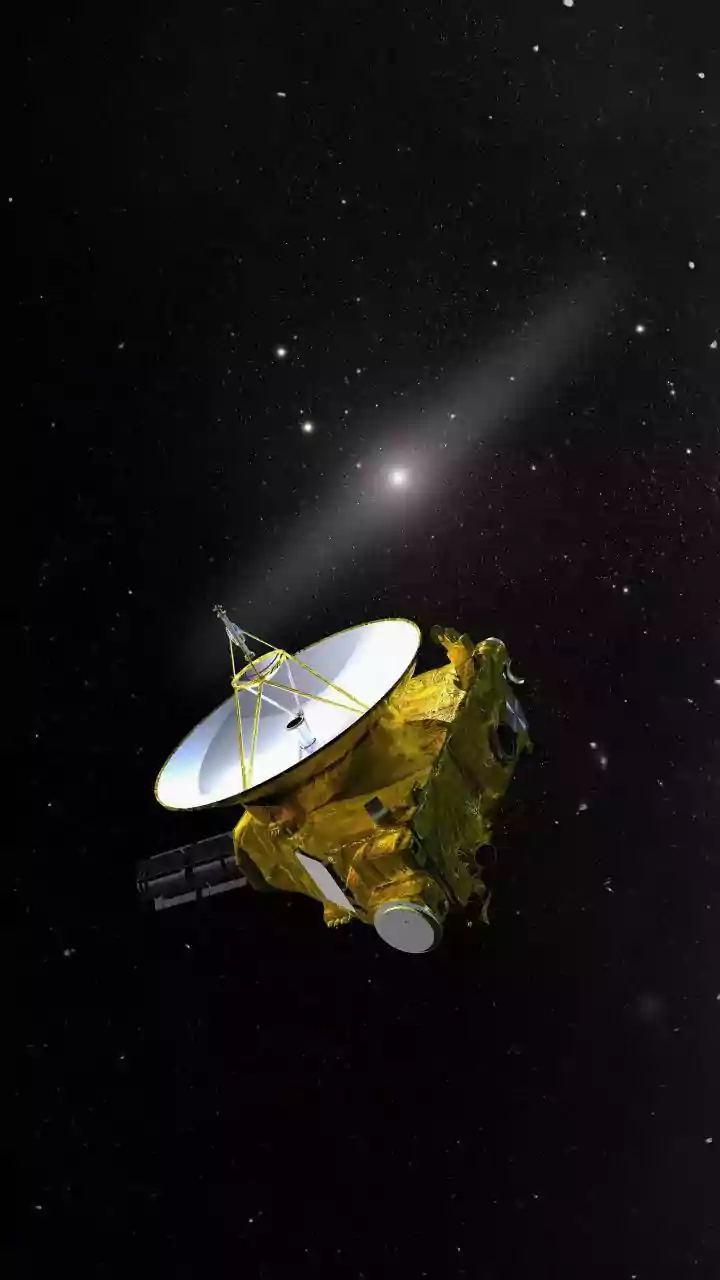
To counter this threat, a global network of observatories, both in space and on the ground, constantly monitors the sun. Organisations like the USA's National Oceanic and Atmospheric Administration (NOAA) Space Weather Prediction Center (SWPC) are at the forefront, providing crucial forecasts and alerts. They rely on a fleet of satellites, such as the Deep Space Climate Observatory (DSCOVR), positioned about 1.5 million kilometres from Earth. This strategic location allows it to detect solar wind and CMEs about 15 to 60 minutes before they reach our planet, providing a vital window for action. Other international bodies, including the European Space Agency (ESA), also play a key role in this coordinated effort to provide space weather services.
From Warning to Action
When a potentially hazardous solar storm is detected, warnings are issued to satellite operators, power grid managers, and airlines around the world. For satellite operators, this advance notice is critical. Depending on the severity of the forecast, they can take protective measures to mitigate damage. These actions can include temporarily shutting down non-essential systems, reorienting the satellite to protect sensitive components, or commanding it to enter a pre-planned safe mode until the storm passes. For LEO satellite constellations, operators might adjust orbits to minimise the effects of increased atmospheric drag. These defensive manoeuvres are essential to preserving assets that can cost hundreds of millions of dollars and form the backbone of global communications.
India's Eye on the Sun: Aditya-L1
India has firmly established its presence in this global effort with its first dedicated solar observatory, Aditya-L1. Launched by the Indian Space Research Organisation (ISRO), Aditya-L1 is also positioned at the L1 Lagrange point, granting it an uninterrupted view of the sun. The mission's instruments are designed to study the sun's outer layers and observe events like CMEs in real-time. Data from Aditya-L1 is already providing breakthrough insights. In a study of a solar storm that hit Earth in October 2024, observations from the mission helped scientists understand how the storm's turbulence compressed Earth's magnetic field, briefly exposing some geostationary satellites to unusually harsh conditions. These findings underscore the mission's importance in assessing space weather risks and safeguarding India's own critical space infrastructure.