
The Golden Rule: Fit Before Fabric
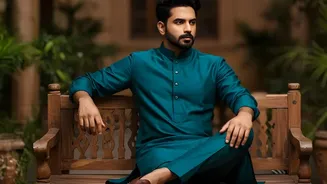
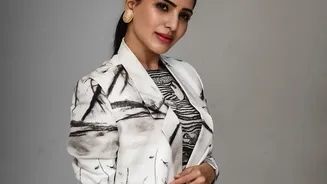
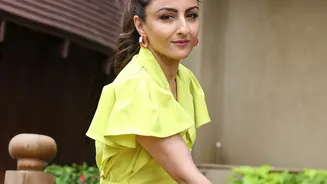
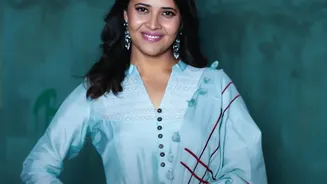
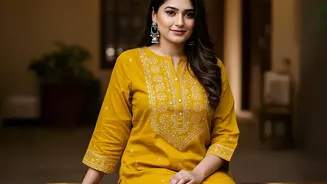
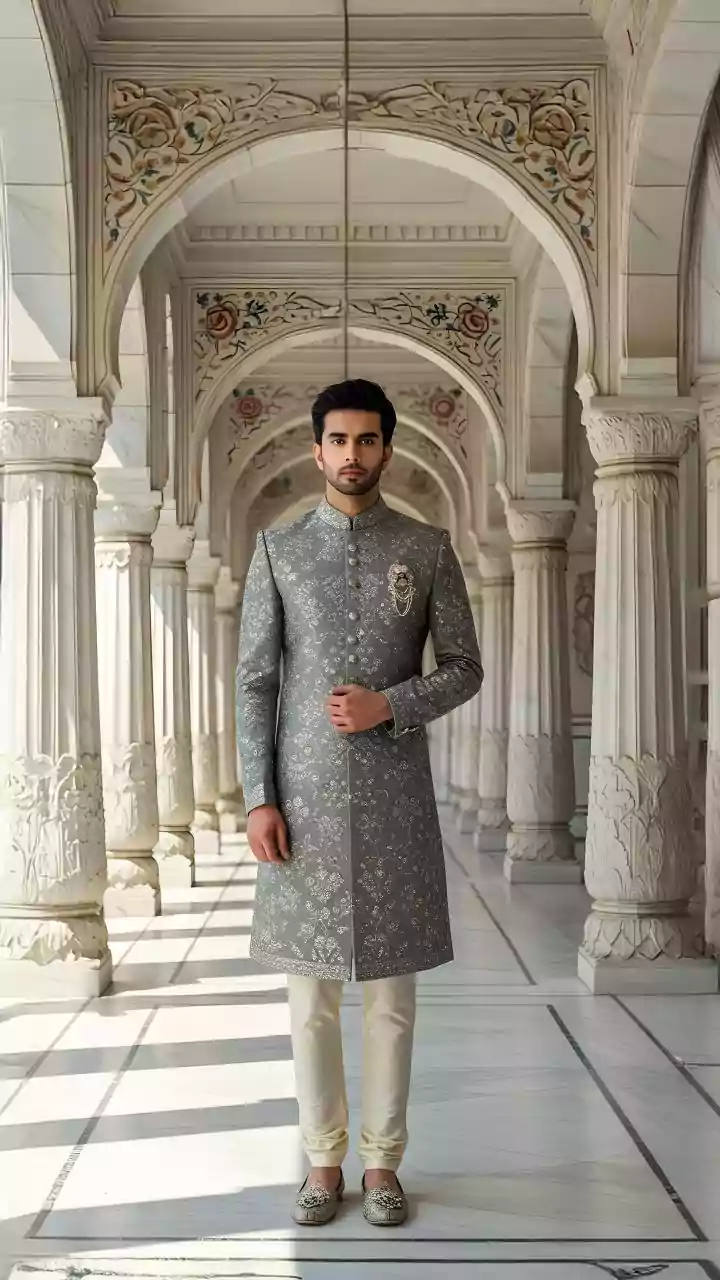
Before you even consider colour or embroidery, focus on fit. The most common mistake is buying a kurta that looks good on a mannequin but doesn't sit right on your body. The first checkpoint is always the shoulders. The shoulder seam should sit exactly
at the edge of your shoulder bone. If it droops onto your arm, the kurta is too big and will look shapeless. If it pulls inward, it’s too small and will restrict movement. This is one detail a tailor can rarely fix, so it’s crucial to get it right from the start. Next, check the bust and waist. The fabric should lie smoothly without pulling at the buttons, but it shouldn't be baggy either. A good rule of thumb is that you should be able to slide two fingers comfortably between the fabric and your chest. If you are between sizes, it is always better to size up, as a tailor can easily take in a slightly loose kurta, but can't let out one that's too tight.
Decoding Kurta Lengths for Your Height
Kurta length can dramatically alter your silhouette, and it's not a one-size-fits-all matter. The right hemline depends on your height and the bottoms you choose. For petite frames (under 5'3"), avoid very long kurtas that can overwhelm your figure. Short-to-mid-thigh lengths that end above the knee are most flattering, as they create an illusion of height. For women of average height, most lengths work, with knee-length being a universally safe and versatile choice. If you are tall, you can gracefully carry off longer calf-length and ankle-length kurtas that look balanced on your frame. A common error is choosing a length that ends at the widest part of your hips or calves, which can make you look broader. Instead, aim for a hemline that hits at a narrower point on your leg.
The Art of Pairing Bottoms
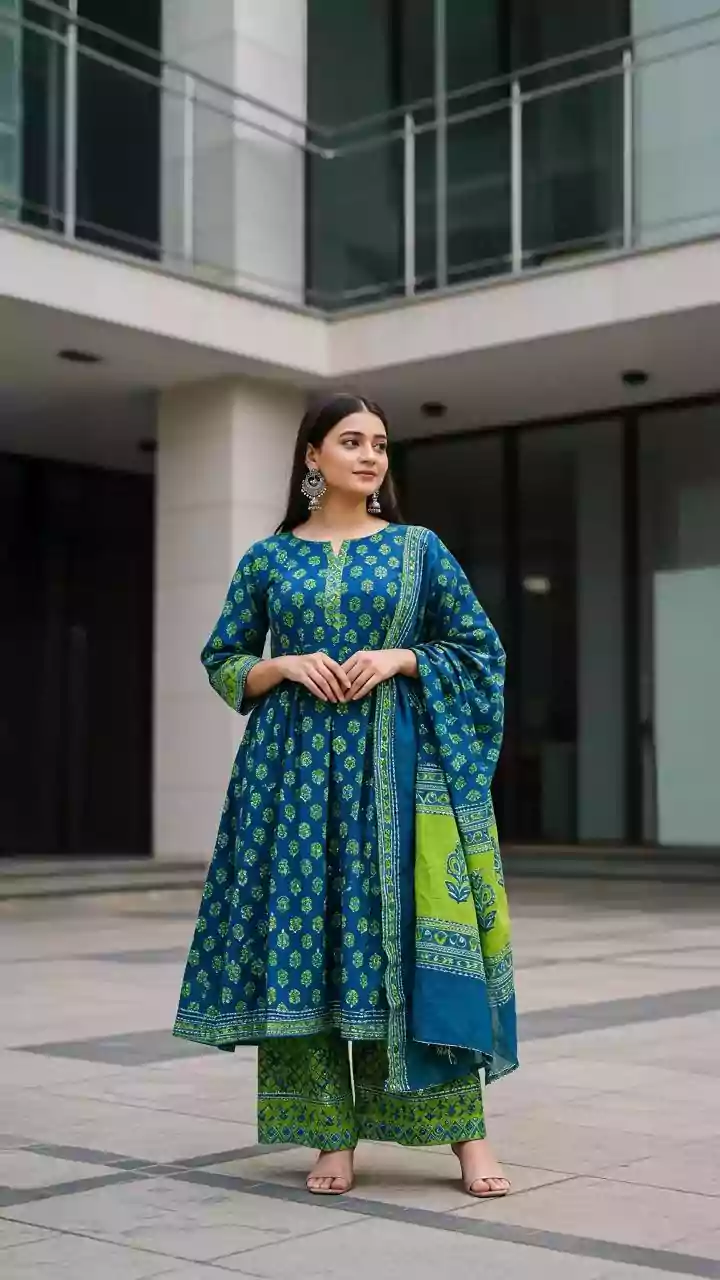
The bottoms you choose are just as important as the kurta itself. The key is to create balance. A common mistake is pairing a long, straight kurta with very wide palazzos, which can result in a bulky, shapeless look. A simple rule to follow is to balance proportions: if the kurta is loose or flared (like an Anarkali), opt for slim-fitting bottoms like churidars or leggings. If you have a straight-cut or shorter kurta, you have more freedom to play with wider bottoms like palazzos, shararas, or even straight-cut trousers. For a clean, professional look, cigarette pants paired with a knee-length kurta are an excellent choice.
Accessorising with Intent
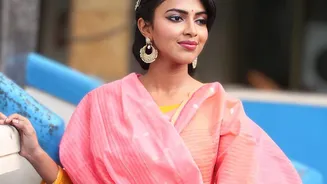
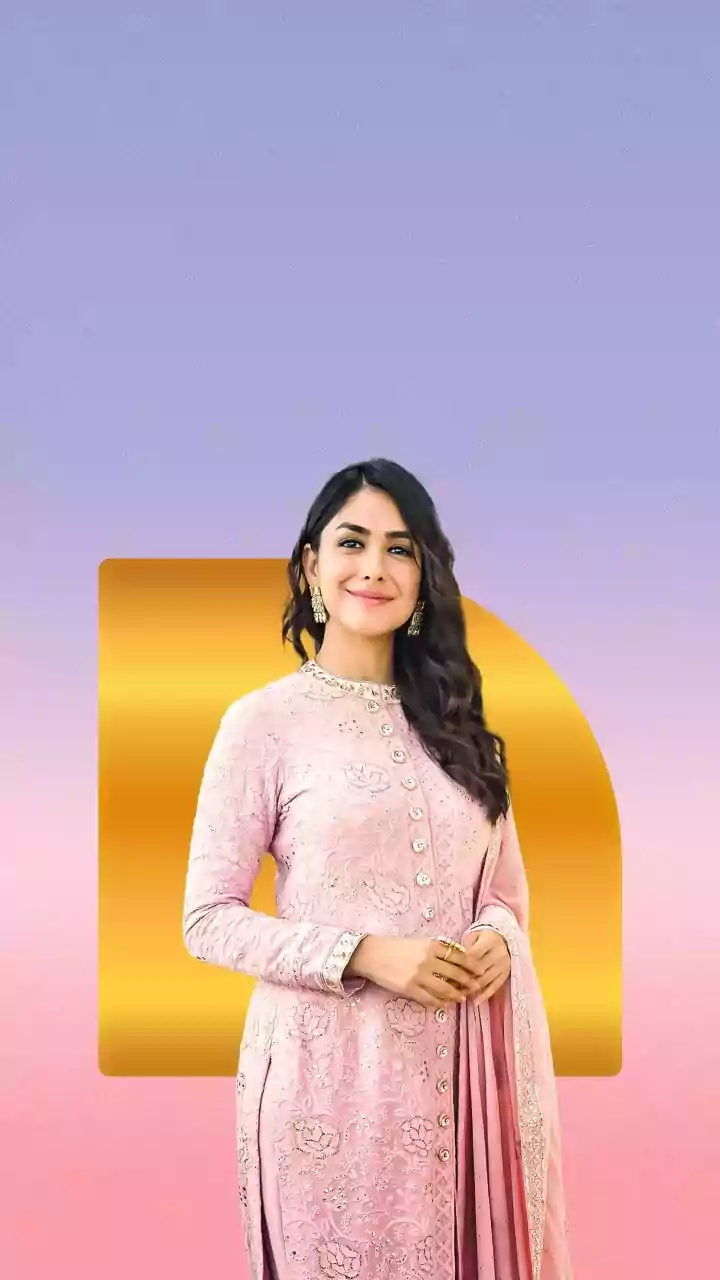
Accessories complete the look, but the rule is to let one element be the hero. If your kurta set is heavily embroidered or features a bold print, keep your jewellery minimal with small studs or a delicate chain. Over-accessorising an already ornate outfit is a common mistake that can make the look feel cluttered. Conversely, a simple, solid-coloured kurta set is the perfect canvas for statement jewellery like chunky silver necklaces, large jhumkas, or layered beads. The same principle applies to your dupatta. If your dupatta is the statement piece, with heavy embroidery or a vibrant pattern, let the kurta set be simple. For footwear, juttis, Kolhapuris, and embellished sandals are classic choices that complement most kurta sets beautifully.
Playing with Fabrics and Prints
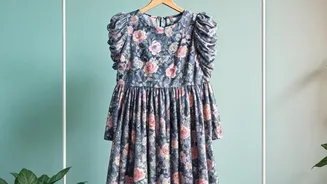
Fabric choice impacts both comfort and silhouette. Lightweight, breathable fabrics like cotton, linen, and chanderi are perfect for everyday wear and warm weather, as they drape beautifully without clinging. For festive occasions, luxurious fabrics like silk and brocade add a touch of elegance. When it comes to prints, balance is key. If your kurta has a busy print, opt for solid-coloured bottoms. Pairing a printed kurta with equally busy printed pants can be overwhelming. Vertical stripes and small, delicate prints can create a lengthening effect, which is especially flattering for shorter frames, while taller individuals can carry off larger, bolder prints with ease.