
Anchor Your Bed
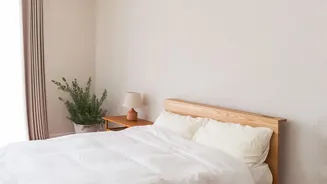
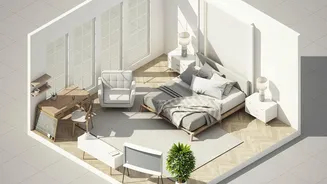
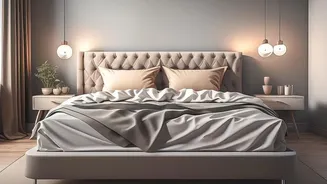
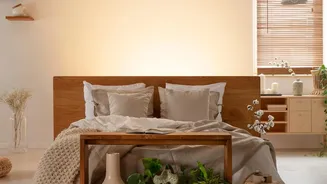
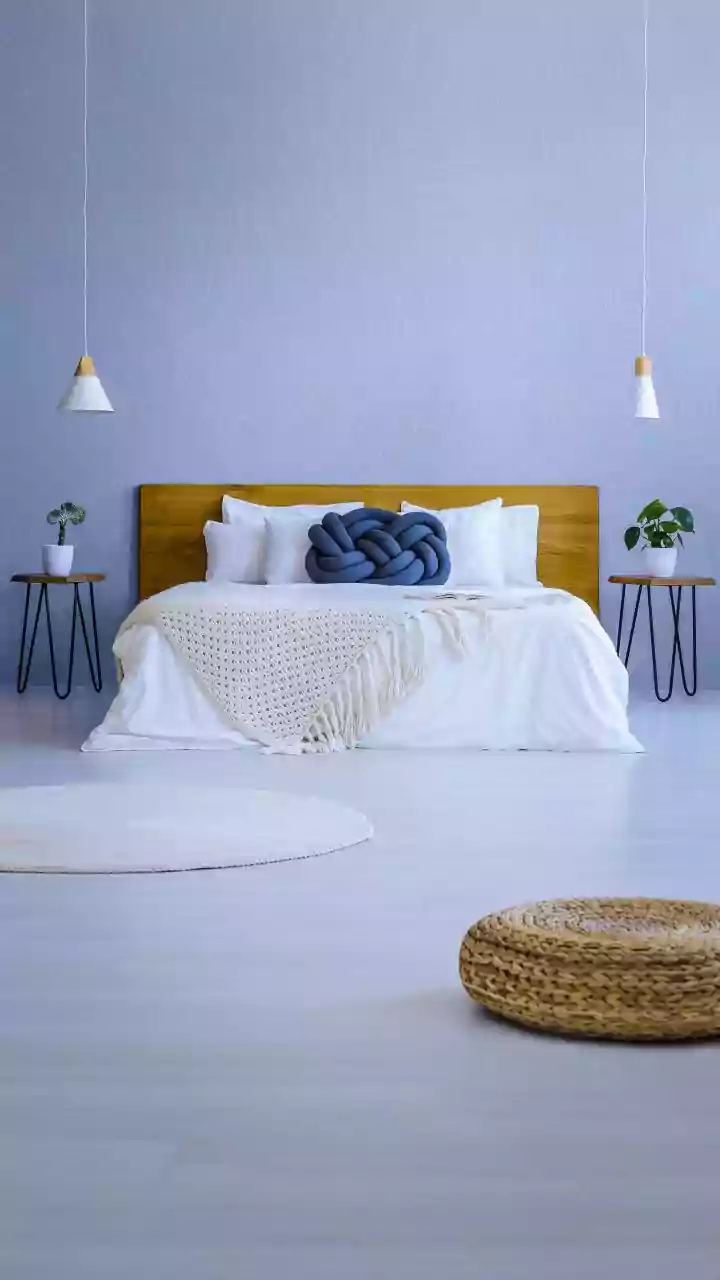
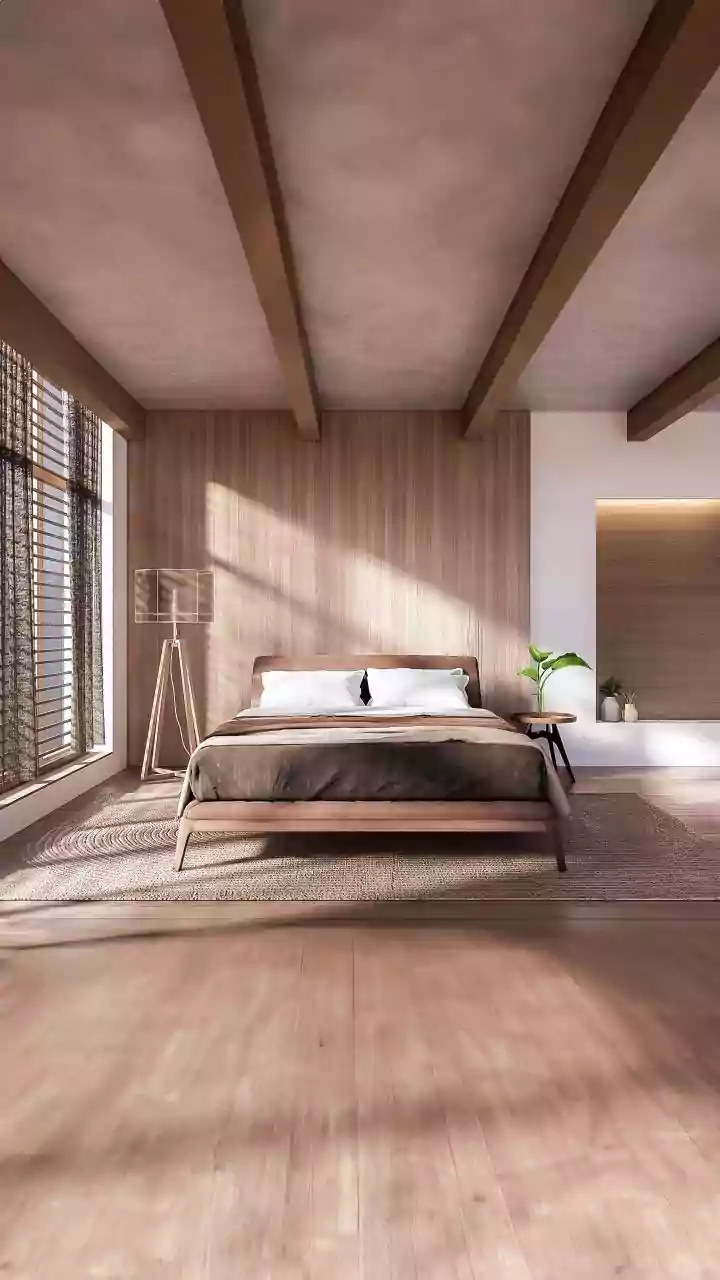
The bed is the largest piece of furniture in your bedroom, so its placement is the most important decision. The most effective layout is often placing the bed against the center of the longest, most visible wall—usually the one you see when you walk in the door.
This creates a natural focal point and a sense of symmetry. It also typically allows for the most efficient use of the remaining space, providing enough clearance on either side for bedside tables and movement. If your room is very narrow, consider pushing the bed into a corner. While less traditional, this can open up a significant amount of usable floor space.
Choose 'Leggy' Furniture
To create a sense of openness, choose furniture that feels visually light. Pieces with visible legs—like a mid-century modern dresser, a slim-profile nightstand, or a bed frame on risers—allow you to see more of the floor. This simple trick prevents the room from feeling weighed down and cluttered. The more floor space your eye can see, the larger and airier the room will feel. Transparent materials, like an acrylic chair or glass tabletop, have a similar 'barely-there' effect, providing function without adding visual bulk.
Embrace Vertical Space
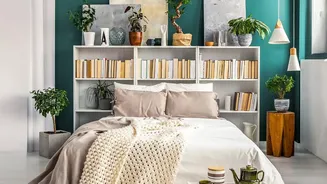
When floor space is limited, think upwards. Drawing the eye toward the ceiling creates an illusion of height and spaciousness. Swap out a short, wide bookcase for a tall, narrow one. Install floating shelves on the walls to hold books, plants, and decor without taking up any floor real estate. Another clever trick is to hang your curtains higher and wider than the window frame. Placing the curtain rod closer to the ceiling and extending it beyond the window makes the window itself appear larger and the ceiling higher.
Rethink the Nightstand
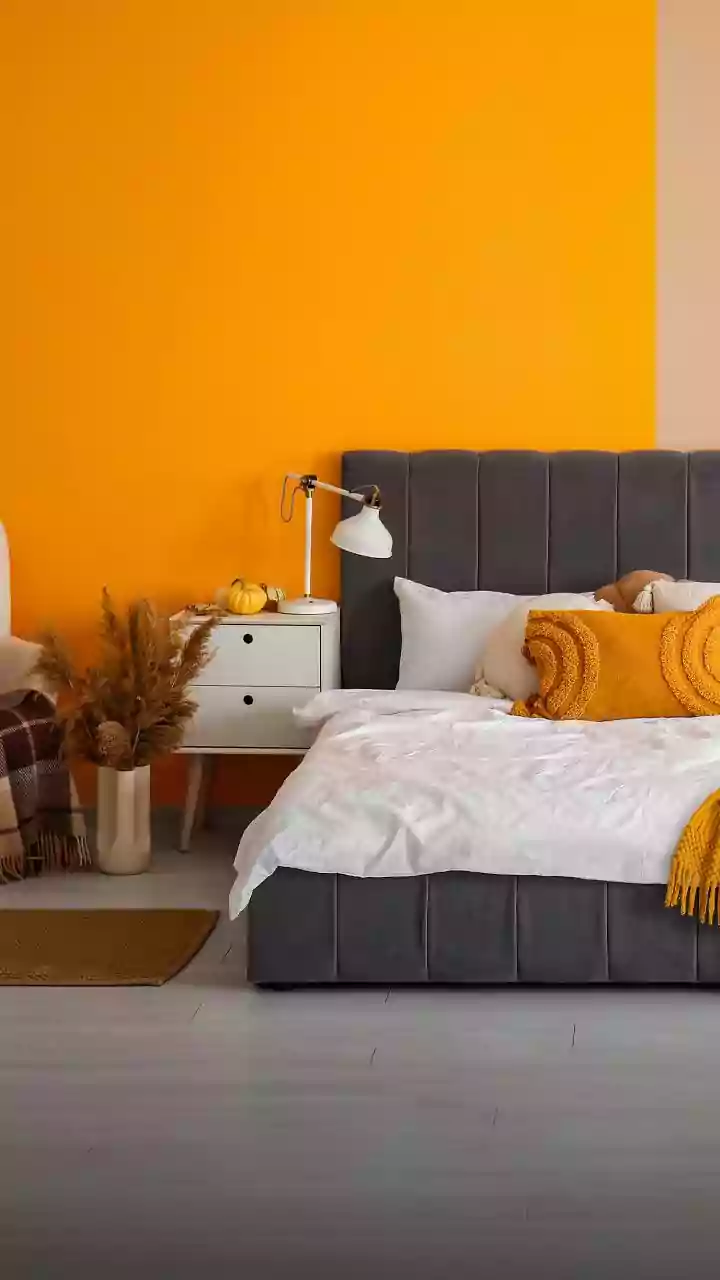
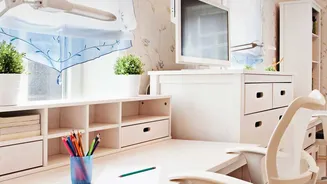
Traditional, bulky bedside tables can eat up valuable space. If you're tight on room, consider creative alternatives. A wall-mounted floating shelf is a minimalist option that provides a surface for a lamp and a book without any footprint. A small stool, a stack of books, or even a narrow bench can serve the same purpose with more character. For maximum utility, look for multi-functional pieces. A small writing desk can double as a nightstand and a workspace, while a storage ottoman provides a surface, seating, and a place to hide away extra blankets or shoes.
Utilise Multi-Functional Pieces
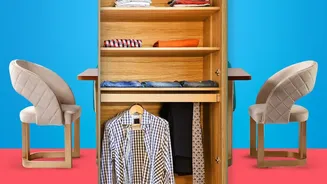
In a small bedroom, every piece of furniture should work hard. Multi-functional items are your best friend for maximizing space. A storage bed with built-in drawers underneath can often eliminate the need for a bulky dresser entirely. An ottoman at the foot of the bed can serve as both a bench for getting dressed and a hidden storage chest. This approach reduces the total number of furniture items in the room, which is key to preventing a cluttered and cramped feeling. The goal is to have fewer, more versatile pieces.
Use Mirrors to Create Depth
It's a classic interior design trick for a reason: mirrors create the illusion of more space. They reflect light and the view, effectively tricking the eye into perceiving more depth. For the biggest impact, place a large mirror on the wall opposite a window. This will amplify the natural light, making the entire room feel brighter and more open. Mirrored wardrobe doors are another excellent option, as they serve a practical purpose while visually doubling the size of the room.