

The End of the One-Size-Fits-All Holiday
For decades, Indian tourism operated on a fairly predictable calendar: family trips to popular hill stations, pilgrimages to major religious sites, or beach holidays in places like Goa. While these destinations remain popular, the model of passive sightseeing
is no longer sufficient. Today's travellers, particularly younger demographics, are shifting away from pre-packaged itineraries and checklist-driven tourism. There's a growing demand for unique, personal, and immersive journeys that offer more than just a photo opportunity. This change in consumer preference is forcing hotels, tour operators, and even government bodies to innovate and diversify their offerings beyond the conventional.
A New Traveller Seeks Meaningful Experiences
The driving force behind this transformation is the modern Indian traveller. Increasingly, they are looking for authentic experiences that allow them to connect with a place on a deeper level. This 'experiential travel' trend is about active participation rather than passive observation. It includes everything from culinary trails and heritage walks to craft workshops and community-led storytelling. According to industry reports, a significant majority of Indian travellers now prioritize cultural experiences when planning trips, with many venturing into smaller towns to discover local traditions. This quest for authenticity is reshaping travel decisions, as people now choose destinations based on the experiences they offer, not just the landmarks they house.
The Explosive Growth of Wellness and Spiritual Journeys
One of the most significant new models is wellness tourism. Fueled by rising health consciousness and the desire to disconnect from digital fatigue, travellers are planning entire holidays around rejuvenation. This has turned into a massive market, with some estimates projecting it to be worth over USD 30 billion in 2026. Travellers are seeking out yoga and meditation retreats in places like Rishikesh, Ayurvedic treatments in Kerala, and digital detox escapes. This isn't just an add-on; for many, wellness is now the primary purpose of the trip. The government is also promoting this with initiatives like the e-Ayush visa, simplifying travel for those seeking traditional Indian healing practices.
From Concrete Jungles to Green Pastures
Parallel to the wellness boom is a growing interest in agritourism and ecotourism. Urban dwellers are increasingly looking for escapes that reconnect them with nature and rural life. Agritourism offers hands-on experiences like participating in farm activities, learning to cook traditional meals with fresh produce, and staying on working farms. States like Maharashtra and Kerala are pioneering this model, providing an alternative income source for farmers and an authentic experience for tourists. This trend promotes sustainable development and helps preserve local cultures and environments, aligning with a global push towards more responsible travel.
Work, Stay, and Play: The Rise of 'Workations'
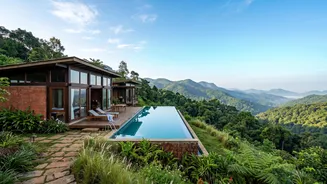
The pandemic-induced shift to remote work has given rise to another powerful trend: the 'workation'. Professionals are taking advantage of flexible work policies to blend their job with travel, escaping urban burnout by setting up office in scenic destinations. Instead of short, frantic holidays, people are opting for longer stays in the mountains or by the sea, where they can work during the day and explore in their free time. This has created a new market for homestays and resorts equipped with high-speed internet and comfortable workspaces, turning tourist spots into temporary homes and offices.