





Beware the Bite: Mosquito-Borne Fevers
The monsoon provides the perfect breeding ground for mosquitoes, leading to a sharp increase in vector-borne diseases like dengue, malaria, and chikungunya. These illnesses often start with high fever, body aches, and fatigue, but can escalate to serious
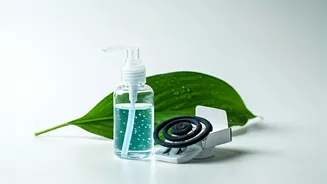
complications if not managed properly. Prevention is your strongest shield. The key is to break the mosquito breeding cycle and protect yourself from bites, especially during dawn and dusk when mosquitoes are most active. Key Actions: - Eliminate standing water: Do not allow water to collect in coolers, flower pots, old tyres, or any open containers around your home. Change the water in plant pots and bird baths every few days. - Use mosquito nets: Sleep under an insecticide-treated mosquito net, especially if you have young children or elderly family members. - Wear protective clothing: Opt for light-coloured, full-sleeved shirts and long pants when outdoors. - Use repellents: Apply a reliable mosquito repellent on exposed skin. Consider using mosquito repellent coils, vaporisers, or liquids inside the house.
Watch the Water: Contamination Concerns
Water-borne diseases are rampant during the monsoon as rainwater can contaminate public water supplies. Illnesses like typhoid, cholera, jaundice, and gastroenteritis are primarily spread through contaminated food and water. Symptoms typically include diarrhoea, vomiting, abdominal cramps, and fever. The risk is high, especially from street food and unpurified water, but simple precautions can significantly lower your chances of falling ill. Key Actions: - Drink safe water: Always drink boiled, filtered, or purified water. If you're unsure about the water quality when you're out, stick to bottled water from a trusted brand. - Avoid street food: Be cautious of food sold by street vendors, especially items like cut fruits, salads, and juices that use water of unknown purity. - Wash produce thoroughly: Clean all fruits and vegetables with purified water before consuming them, particularly leafy greens which can trap dirt and germs. - Practice hand hygiene: Wash your hands thoroughly with soap and water before eating and after using the restroom.
Boost Your Immunity: The First Line of Defence
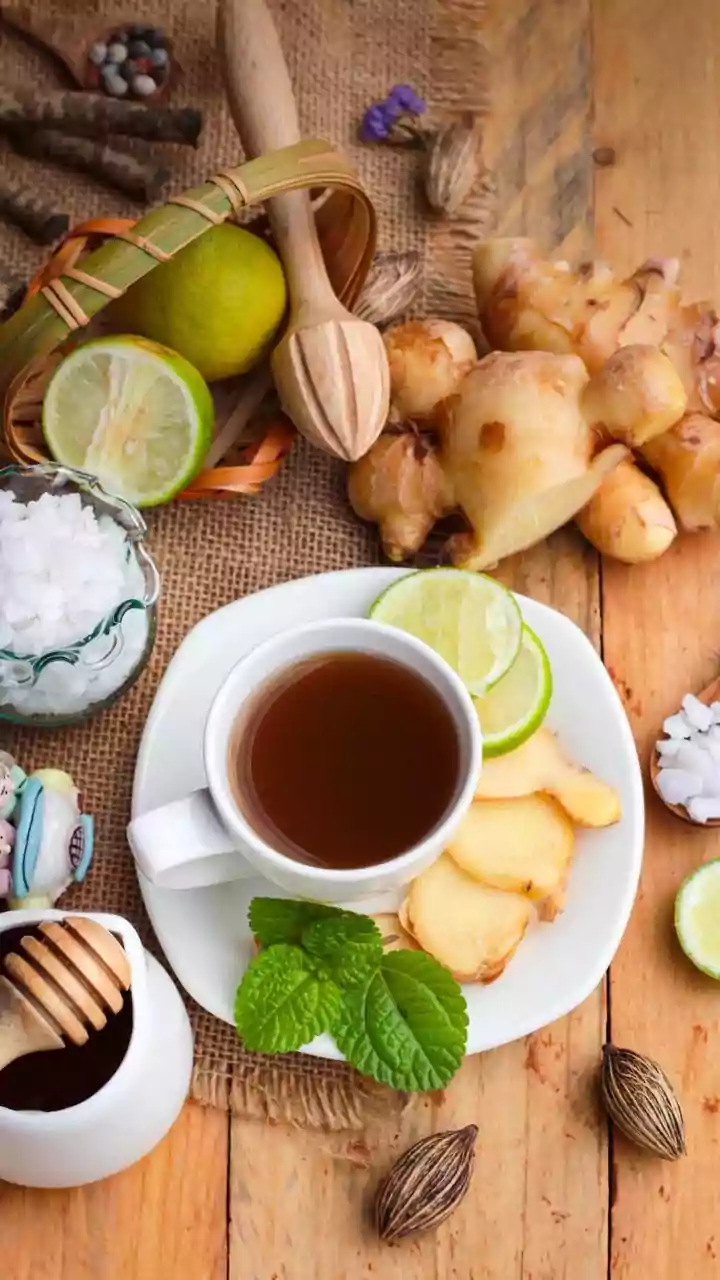
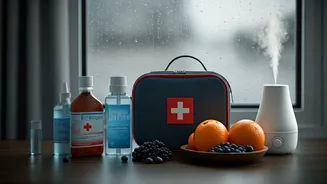
The high humidity during the monsoon can weaken our digestive system and overall immunity, making us more susceptible to common viral infections like the cold and flu. A strong immune system is your body’s natural defence mechanism. Focusing on a nutrient-rich diet and healthy habits can help you build resilience from within, making it harder for viruses and bacteria to take hold. Key Actions: - Eat immunity-boosting foods: Incorporate foods rich in Vitamin C, such as citrus fruits, amla, and bell peppers. Spices like turmeric and ginger also have anti-inflammatory and immunity-boosting properties. - Stay hydrated: Drink plenty of warm fluids like herbal teas and soups. This not only keeps you hydrated but also helps flush out toxins. - Get enough sleep: Aim for 7-8 hours of quality sleep each night. Rest is crucial for your body to repair itself and maintain a strong immune response.
Keep It Clean: Home & Personal Hygiene
Humidity creates a damp environment that encourages the growth of fungi and bacteria, not just outside but inside our homes as well. This can lead to fungal skin infections, allergies, and respiratory issues. Maintaining a clean and dry living space is just as important as personal hygiene during this season. Key Actions: - Keep your home dry: Ensure there is good ventilation in your home to prevent dampness. Use a dehumidifier if necessary. Wipe down damp walls with an anti-fungal solution. - Stay dry: Avoid walking in rainwater-filled puddles. If your feet get wet, wash them with soap and dry them immediately to prevent fungal infections. Don't stay in wet clothes for long. - Disinfect surfaces: Regularly clean and disinfect frequently touched surfaces in your home, like doorknobs, switches, and tables.