









The Guardians of Your Plate
In India, the primary responsibility for food safety falls to the Food Safety and Standards Authority of India (FSSAI). This central body, along with state-level food safety departments, sets the rules for everything from street food stalls to five-star
hotel kitchens. Their mandate is to ensure that food sold across the country is safe, hygienic, and meets quality standards. Inspectors, or Food Safety Officers, are empowered to conduct checks, collect samples, and enforce these regulations. These inspections are designed to be a crucial, if sometimes unseen, layer of protection for consumers, aiming to prevent food-borne illnesses by holding establishments accountable for their practices.
Inside the Inspector’s Checklist
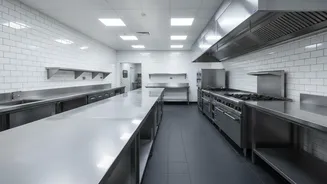
When inspectors visit a restaurant, they are not just looking for a tidy floor. Their assessment is a detailed process guided by FSSAI's Schedule 4 guidelines, which cover a wide range of hygiene protocols. Key areas of focus include the personal hygiene of staff, such as proper handwashing techniques and clean uniforms. They scrutinize food handling practices, ensuring raw and cooked foods are kept separate to prevent cross-contamination. Other critical checkpoints include proper food storage at correct temperatures, the quality of raw materials, the cleanliness of the premises including walls and pest control measures, and the safety of the water supply. Failure to meet critical standards can lead to penalties or even suspension of a license.
Spotlight on Recent Inspections
Recent crackdowns in major cities like Bengaluru and Mumbai highlight the ongoing challenges. In a multi-day drive in early August 2026, inspectors in Bengaluru visited dozens of hotels, including high-end establishments, uncovering significant violations. Officials seized hundreds of kilograms of expired or rotten meat and vegetables, and found items like milk and baked goods well past their use-by dates. Similar issues were found in Mumbai, where authorities issued notices and suspended licenses for poor hygiene and lack of compliance. These incidents, which included findings of fungus on produce and unhygienic storage, underscore that a restaurant's price point is no guarantee of its kitchen's standards.
Decoding the Hygiene Rating Scheme
To improve transparency, the FSSAI introduced the voluntary Hygiene Rating Scheme. This program rates eateries on a scale of one to five 'smilies' or stars based on their compliance with safety standards. A rating of three stars or more is considered 'Good'. Participating restaurants are encouraged to display this certificate prominently, giving customers a quick, visual guide to their hygiene levels. While this is a positive step, the scheme's voluntary nature means that not all establishments participate. A recent survey highlighted that a vast majority of consumers, over 70%, support making these hygiene ratings mandatory and displaying them on food delivery apps to make more informed choices.
Your Role as an Informed Diner
While official inspections are vital, consumers are the ultimate watchdogs. A recent survey revealed that over half of diners have personally witnessed issues like dirty kitchens, unhygienic food handling by staff, or pests in restaurants. You can play an active role by first looking for a displayed FSSAI license and hygiene rating. Beyond that, use your senses. Are the dining area and washrooms clean? Do staff members appear tidy and handle food with care? Is there evidence of pest control? Consumers can also report poor hygiene or unsafe food practices directly to the FSSAI through its 'Food Safety Connect' mobile app, strengthening the enforcement ecosystem with on-the-ground information.