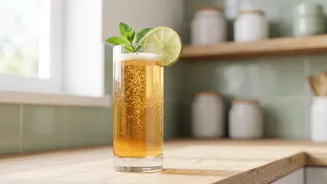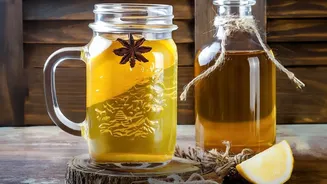

What Exactly Is Kombucha?
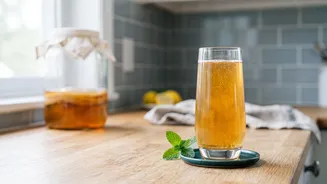
At its core, kombucha is simply fermented sweet tea. The magic happens thanks to a unique ingredient called a SCOBY, which stands for Symbiotic Culture of Bacteria and Yeast. This rubbery, pancake-shaped disc is often called the "mother" because it's
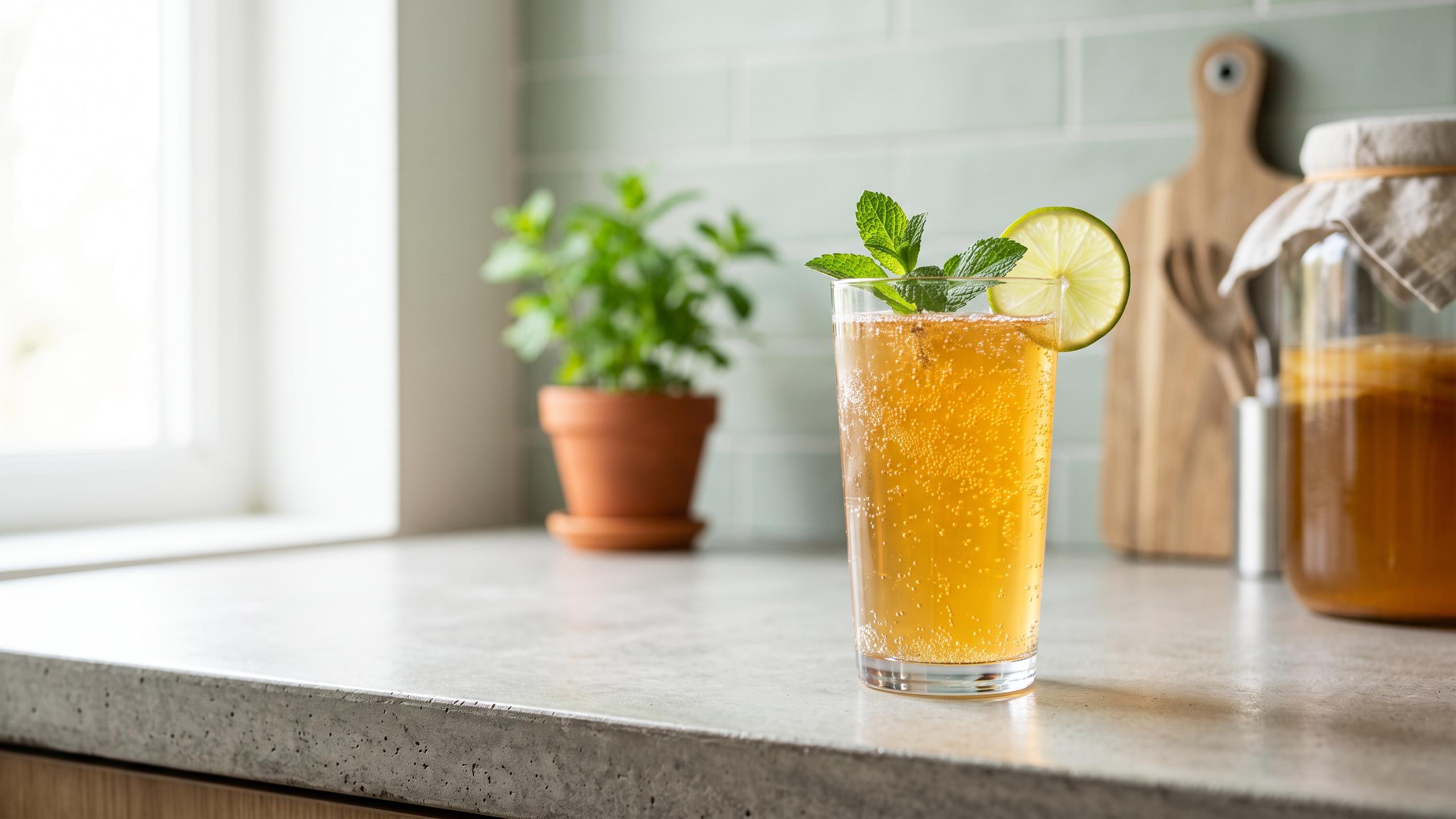
the living engine that drives the fermentation. The SCOBY is added to a mixture of brewed sweet tea. Over a week or two, the yeasts in the culture consume the sugar, producing tiny amounts of alcohol and carbon dioxide (which makes it fizzy). The bacteria then convert most of the alcohol into various organic acids, giving kombucha its signature tart flavour. The final result is a slightly sweet, acidic, and naturally carbonated beverage teeming with live microorganisms.
The Connection to Gut Health
The main reason kombucha has become a health-food staple is its probiotic content. Probiotics are live, beneficial microorganisms that can help support a healthy balance of bacteria in your digestive system. The fermentation process creates a diverse community of bacteria and yeasts, including lactic-acid bacteria, which are known to be beneficial for gut health. Recent studies, though still in early stages, are promising. Research suggests kombucha consumption may help improve stool consistency and reduce symptoms like constipation. A 2024 study even found that daily kombucha drinking altered the gut microbiomes of participants, encouraging the growth of bacteria that produce health-supporting compounds. Beyond probiotics, the fermentation also produces organic acids and antioxidants from the tea, which may help reduce inflammation and support overall wellness.
Why You Should Brew Your Own
While store-bought kombucha is convenient, brewing your own at home has several advantages. First is the cost. A single bottle from the store can be expensive, while homemade versions cost a fraction of the price to produce. Second, you have complete control over the ingredients. You can choose the type of tea, adjust the sugar content to your liking, and avoid any additives or preservatives found in some commercial brands. Finally, it’s a rewarding and creative process. Once you master the basic brew, you can experiment with a second fermentation to add flavours like ginger, berries, or herbs, creating your own custom fizzy beverage.
Getting Started: Your Brewing Toolkit
To start your kombucha journey, you’ll only need a few key items. Most importantly, you need a SCOBY and some starter tea (which is just strong, unflavoured kombucha from a previous batch). You can get a SCOBY from a friend who brews, or purchase a kit online. Beyond that, the equipment is simple: a large glass jar (at least one gallon), a breathable cloth cover (like cheesecloth or a clean tea towel), a rubber band to secure it, and basic ingredients like black or green tea and plain white sugar. It's crucial to use glass containers for brewing, as the acidic nature of kombucha can cause chemicals to leach from plastic or lead to leech from certain ceramics.
The Simple Steps to Your First Brew
The first fermentation is where the magic begins. Start by boiling water and dissolving the sugar completely. Steep your tea bags or loose-leaf tea in the hot sugar water for about 10-15 minutes, then remove them. Let the sweet tea cool down to room temperature—this is a critical step, as hot liquid can harm the SCOBY. Once cooled, pour the sweet tea into your large glass jar. Gently add your SCOBY and the starter liquid. Cover the jar with the cloth and secure it with a rubber band. Place the jar in a warm, dark place away from direct sunlight and let it ferment for 7 to 21 days. The fermentation time depends on the temperature and your taste preference; a longer ferment results in a more vinegary brew.
Safety, Risks, and Best Practices
While making kombucha at home is generally safe, hygiene is paramount. Always start with clean hands and sanitized equipment to prevent unwanted moulds or harmful bacteria from contaminating your brew. A healthy ferment should smell slightly vinegary and pleasant; if you see fuzzy, colourful mould on your SCOBY or the liquid smells foul, you must discard the entire batch and start over. It's also worth noting that all kombucha contains trace amounts of alcohol, typically below 0.5% but sometimes higher in homebrews. Additionally, the high acidity can be problematic for some individuals, and it's best to start with small amounts to see how your body reacts.