





Prioritise Proper Drainage
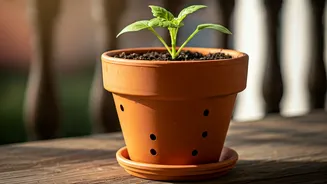
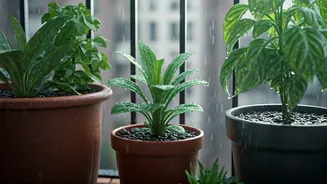
The single biggest threat to your potted plants during the monsoon is not the rain itself, but waterlogging. When water sits in the pot for too long, it suffocates the roots, leading to root rot. Before the heavy showers begin, check that every pot has
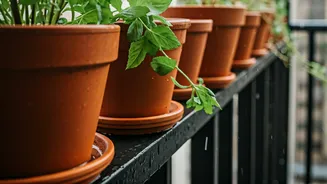
functional drainage holes. Over time, these can get clogged with soil or roots. For extra protection, elevate your pots using bricks, small stands, or 'pot feet'. This small gap allows excess water to escape freely and ensures air can circulate underneath, preventing the base from sitting in a puddle. During continuous rain, you should also promptly empty any water that collects in the saucers or trays beneath your pots.
Secure Your Pots and Planters
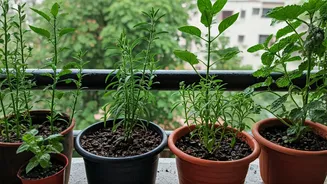
Monsoon winds can be surprisingly powerful, especially on higher floors, turning lightweight pots into hazards. If you can't move plants indoors, secure them. Group lighter plastic pots together against a sturdy wall to create a heavier, more stable cluster. For larger pots that are too heavy to move, you can add weight to the base by placing stones or gravel at the bottom before adding soil. Tall or top-heavy plants are particularly vulnerable to snapping in the wind; provide them with support by using bamboo stakes or a small trellis, tying the stems gently but firmly. For very exposed balconies, installing temporary windbreaks like bamboo screens or jute mats can also offer significant protection.
Adjust Your Watering Schedule
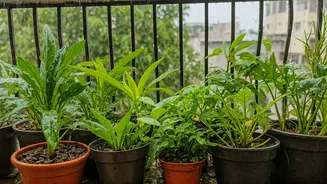
This might sound counterintuitive, but you need to be very careful about manual watering during the monsoon. With frequent rain, your plants will likely need much less water from you. Overwatering is a common mistake that compounds the risk of root rot. Before reaching for the watering can, always check the soil moisture. A good rule of thumb is to stick your finger about an inch into the soil; if it feels moist, the plant doesn't need more water. Let nature do its work and only intervene when the soil feels dry to the touch, especially during extended dry spells between rainy days.
Prune for Better Health
A pre-monsoon trim is a great way to prepare your plants. Pruning overgrown branches, weak stems, and dense foliage improves air circulation through the plant. This is crucial because the high humidity of the monsoon creates an ideal environment for fungal diseases like powdery mildew. Better airflow helps the leaves dry faster after a shower, reducing the risk of infection. Regularly removing any dead or yellowing leaves and spent flowers also keeps the plant healthy and discourages pests from making a home in the decaying matter.
Watch for Pests and Diseases
The damp, humid weather is a breeding ground for pests like snails, slugs, and mealybugs, as well as fungal infections. Be vigilant and inspect your plants regularly, paying close attention to the undersides of leaves and the soil surface. Early detection is key to controlling an outbreak. Consider a preventive spray of neem oil solution every 10-15 days. This organic remedy is effective against many common pests and also has antifungal properties, offering a safe and natural way to protect your plants.
Refresh Soil and Nutrients
Constant, heavy rain can do two things to your soil: compact it and wash away essential nutrients. A compacted top layer prevents air from reaching the roots. Once the soil is damp but not waterlogged, gently loosen the top inch or two with a small fork or trowel to improve aeration. Because nutrients get leached from the soil, the monsoon is not the time for heavy fertilising, which can burn roots in waterlogged soil. Instead, opt for a light layer of organic compost or vermicompost to gently replenish the soil's fertility without overwhelming the plants.
Shelter Your Most Delicate Plants
Not all plants are created equal when it comes to tolerating monsoon conditions. Succulents, for instance, are highly susceptible to rot from excess water. Delicate flowering plants or herbs might be damaged by the force of heavy raindrops. If possible, move these more sensitive plants to a sheltered part of the balcony, such as under an eave or a covered area, where they can still receive light but are protected from the direct onslaught of rain and wind. Even a temporary shield like an old curtain or plastic sheet can work during a particularly intense downpour.