



What 'Fresh' Truly Means
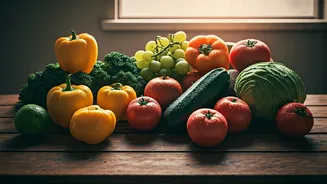
When we talk about 'fresh', we often mean something that isn't spoiled. But true freshness is about vitality. It’s the difference between a tomato picked yesterday from a nearby farm and one picked weeks ago, green and hard, thousands of kilometres away.
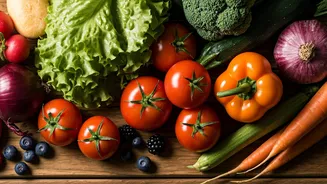
Produce that travels long distances is often harvested before it’s ripe and may be treated to withstand the journey. This process can degrade both its flavour and nutritional content. Vitamins like C and certain antioxidants are fragile and diminish over time and with exposure to light and air. A truly fresh vegetable or fruit, picked at its peak, offers the most vibrant taste and the highest nutritional payload. It’s the juicy, sun-ripened mango of your childhood summers or the crisp winter carrots that snap when you break them. That is the gold standard of fresh.
The Power of Eating Local
Choosing to buy local is one of the most impactful decisions you can make with your wallet. It's a direct investment in your community. When you buy from a local farmer or your neighbourhood sabziwala who sources nearby, the money stays within the local economy, supporting livelihoods and strengthening food security. Beyond economics, local food drastically cuts down on 'food miles'—the distance your food travels from farm to plate. Reducing this distance means a smaller carbon footprint from transportation and less reliance on cold storage and preservatives. You also get access to varieties of produce you might never see in a large supermarket, as local farmers can grow unique, regional heirloom varieties that aren't bred for long-distance shipping. It fosters a connection, turning the act of buying food from a transaction into a relationship.
Embracing the Rhythm of the Seasons
Nature has a brilliant, built-in meal plan: the seasons. Eating seasonally means eating foods at the time of year they are naturally ready for harvest. There’s a reason why juicy watermelons are a summer staple and hearty greens like spinach (palak) and mustard greens (sarson) flourish in the winter. When produce is in season, it's at its most abundant, which means it’s also at its most affordable. More importantly, it’s at its peak in flavour and nutrition. A strawberry in its natural season is bursting with sweetness, a far cry from the watery, bland version available off-season. Following the seasons also encourages variety in your diet. Instead of eating the same few vegetables year-round, you’re introduced to a rotating cast of characters, each bringing a unique set of nutrients and flavours to your table, preventing culinary boredom and ensuring a broader nutritional intake.
How to Make It Work for You
Adopting this approach doesn't require a complete life overhaul. Start small. The easiest first step is to get curious. Visit your local farmers' market or even just pay closer attention at your regular vegetable vendor. Ask them, “What’s good today?” or “What just came in from the farms?” They are the experts on the ground. Plan one or two meals a week around what is currently in season. If you find a great deal on seasonal produce like tomatoes or green peas, consider buying in bulk. You can blanch and freeze peas for later use or make a large batch of tomato puree. This simple mantra—'Fresh, Local, Seasonal'—isn't about perfection; it’s about making more conscious, connected, and delicious choices, one meal at a time.