





The Old Geographic Divide
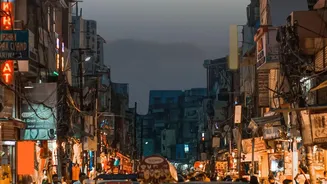
Not long ago, the path for an ambitious freelance designer was clear: pack your bags for Mumbai, Bengaluru, or Delhi. These Tier 1 cities were the undisputed epicentres of commerce and creativity, offering proximity to large clients, networking events,
and the latest industry tools and trends. For a designer in Lucknow, Coimbatore, or Jaipur, the distance was more than just geographical. It was a barrier to opportunity, characterised by limited access to high-value projects, a smaller local client pool, logistical challenges in sourcing materials, and a struggle to gain visibility in a market dominated by big-city agencies. Success was often tied to your physical presence, creating a system where talent in smaller cities had to work twice as hard for half the recognition.
AI as the Great Leveller
Artificial intelligence is rapidly closing that gap. The new generation of creative platforms, supercharged with AI, is not just another set of tools; it represents a fundamental shift in how creative work is done. For freelancers in Tier 2 cities, these platforms act as a powerful equaliser. They automate time-consuming tasks, augment creative capabilities, and provide unprecedented access to a global marketplace. Platforms like Adobe Firefly, Canva's Magic Studio, and Midjourney are not just for ideation but are becoming integral to production workflows, handling everything from generating initial concepts to creating marketing assets. This technological democratisation means a designer's success is becoming less about their location and more about their skill, taste, and ability to leverage these intelligent tools.
Automating Toil, Unlocking Creativity
One of the most significant impacts of AI is its ability to automate the mundane, repetitive tasks that once consumed hours of a designer's day. Tasks like removing backgrounds from product photos, resizing a single design for multiple social media platforms, creating colour palette variations, or transcribing client feedback are now handled in minutes. Tools like Photoshop's Generative Fill can seamlessly expand an image or remove unwanted objects, while others can generate entire branding kits from a simple prompt. This automation frees up designers to focus on what clients truly value: strategic thinking, creative problem-solving, and developing a unique artistic vision. By handling the grunt work, AI allows freelancers to take on more projects, deliver work faster, and dedicate more energy to high-impact creative decisions.
Breaking Down Market and Skill Barriers
Perhaps the most transformative aspect of AI for designers in smaller cities is its ability to dissolve market barriers. A freelancer in a Tier 2 city can now produce work at a speed and quality that rivals larger, better-funded agencies. AI tools help generate polished proposals and presentations, making it easier to pitch to international clients. Some platforms even assist with language and communication, bridging cultural gaps. Furthermore, AI augments existing skills. A talented layout artist who isn't a confident illustrator can use an AI image generator to create stunning visuals for a project. This lowers the barrier to entry for certain specialisations and allows designers to offer a wider range of services without needing to master every single craft from scratch. This democratisation of capabilities is crucial, enabling small-town talent to compete on a truly level playing field.
The Road Ahead: A New Role for Designers
The integration of AI is not without its challenges, including concerns about originality and the ethics of training data. However, the overwhelming trend is not one of replacement, but of collaboration. The role of the designer is evolving from a pure creator into a creative director or strategist. The most successful freelancers will be those who can expertly guide AI tools, curate the best outputs, and apply their unique human touch of empathy, cultural understanding, and taste. As these technologies become more sophisticated, the focus will shift even further from manual execution to strategic insight. For a designer in a Tier 2 city, this is the ultimate opportunity: the ability to build a global career based purely on the quality of their ideas.