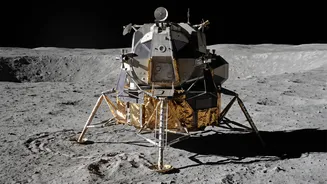




NASA is aiming to land astronauts on the Moon in 2028, a monumental goal that marks humanity's return after more than 50 years. But the plan has changed, and a crucial question remains: which vehicle will actually get them there?
The Grand Plan: What is Artemis?
First, a quick refresher.
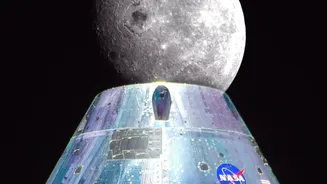
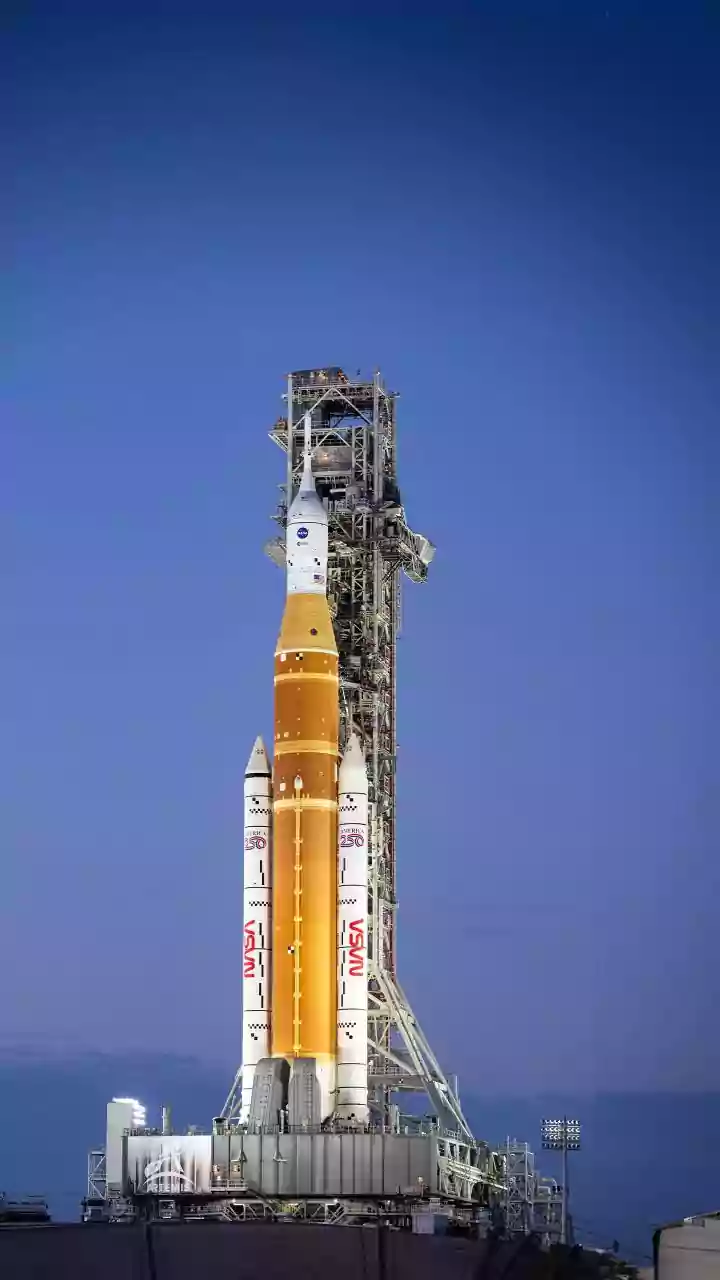
The Artemis program is NASA's ambitious 21st-century mission to establish a sustainable human presence on and around the Moon. Think of it less like the 'flags and footprints' of the Apollo era and more like building a permanent base camp for science and exploration. The long-term vision is to use the Moon as a stepping stone for future crewed missions to Mars. The program involves a series of increasingly complex missions using the powerful Space Launch System (SLS) rocket and the Orion crew capsule. After a successful uncrewed test flight (Artemis I) in 2022 and a crewed lunar flyby (Artemis II) in 2026, the next steps involve the most critical hardware: the Human Landing System (HLS), or the lunar lander.
A Major Strategy Shift
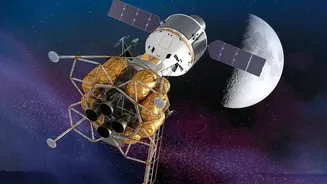
Originally, Artemis III was slated to be the historic landing mission. However, in a major strategic revision announced in early 2026, NASA reshaped the timeline. Artemis III, now targeting 2027, has been repurposed as a crucial crewed test flight in Earth orbit. During this mission, astronauts aboard the Orion capsule will practice docking with test versions of the lunar landers being developed by commercial partners SpaceX and Blue Origin. This change pushes the actual lunar landing to Artemis IV, now scheduled for early 2028, with a second landing, Artemis V, to follow in late 2028. This revised schedule is designed to reduce risk by testing these complex systems closer to home before attempting a full lunar descent.
The Lander Competition Heats Up
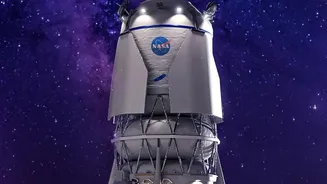
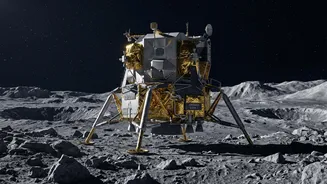
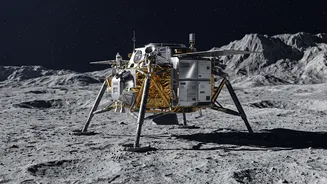
This is where the headline's claim comes into focus. Instead of picking one winner for its lander, NASA is deliberately fostering a competition to ensure it has multiple, redundant options. The agency's strategy is to have two independent providers ready to fly to the Moon. The first is SpaceX, with its towering Starship vehicle. The second is the 'National Team' led by Jeff Bezos' Blue Origin, which is developing the 'Blue Moon' lander with partners like Lockheed Martin and Boeing. While SpaceX was initially contracted for the first couple of landings, NASA’s recent restructuring has changed the game. The agency has stated that for the first landing in 2028, the choice is still open. The decision on whether Starship or Blue Moon gets the honour for Artemis IV will depend on which one is ready first and successfully passes all the required tests, including uncrewed demonstration landings.
Why Not Just Pick One?
So, why the ambiguity? NASA's approach is a lesson learned from decades of spaceflight: redundancy saves missions and lives. By funding two separate lander designs, the agency creates a more resilient program. If one provider faces technical delays or a catastrophic failure, the other can potentially step in, preventing the entire Artemis timeline from grinding to a halt. This competitive environment also drives down costs and spurs innovation, as both SpaceX and Blue Origin are pushed to create the most capable and efficient systems. It represents a fundamental shift in how NASA operates, moving from being the sole developer of hardware to becoming an anchor customer for a burgeoning commercial space economy. Blue Origin and its partners, for instance, are investing more than $3.4 billion of their own money into the project, a significant cost-share with the US taxpayer.
What This Means for the 2028 Landing
The fact that a 'final lander' isn't locked in for the 2028 return to the Moon isn't a sign of failure; it's a feature of the plan. It signifies a flexible, competitive, and arguably more robust strategy for establishing a longterm lunar presence. Both SpaceX and Blue Origin are working towards uncrewed test landings in 2027 to prove their systems are safe for astronauts. The performance of each company in the leadup to 2028 will determine who flies the historic Artemis IV mission. The coming year will be a critical period of testing and development, with the world watching to see which of these commercial giants will be the first to provide the ride back to many lunar surface for a new generation of explorers.