



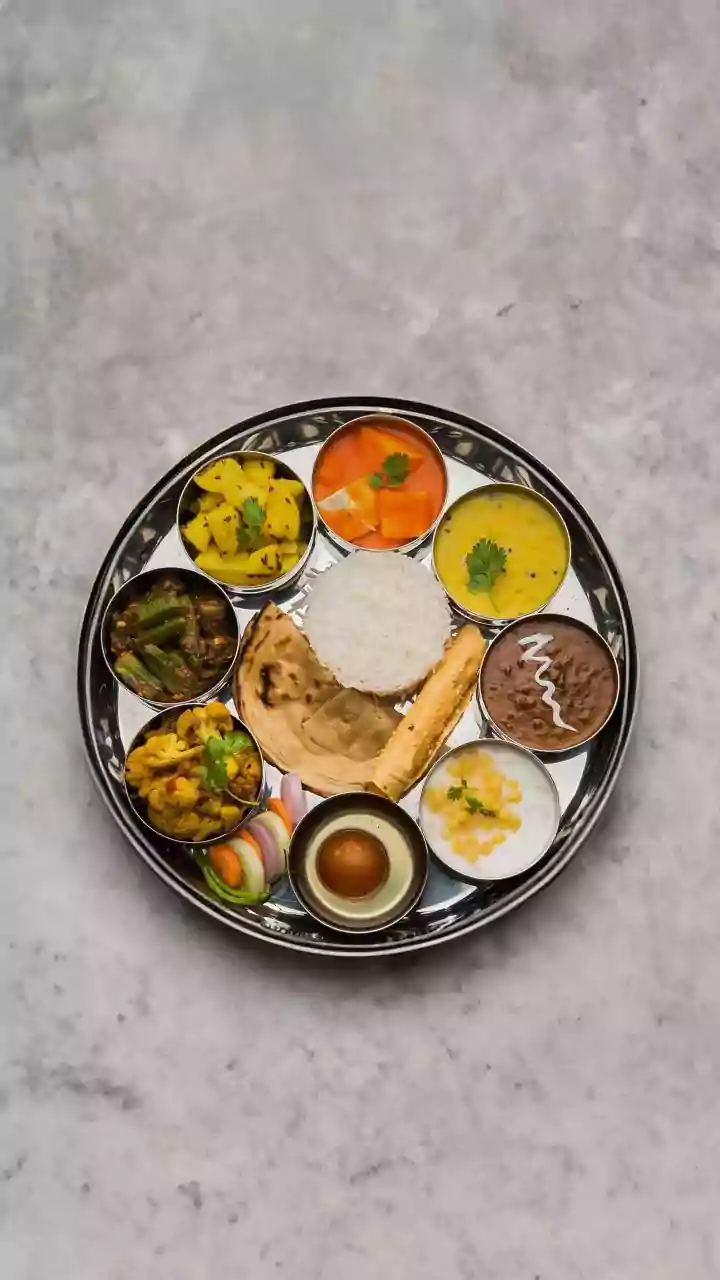
In the rush of city life, convenience often wins, and our plates are increasingly filled with processed foods. But a delicious, healthy rebellion is underway as urban Indians rediscover the wisdom of their ancestors' kitchens.
The Urban Diet Dilemma
Packet noodles for a quick
dinner, sugary biscuits with tea, and bottled sauces that promise instant flavour — this is the reality of many modern Indian kitchens. These ultra-processed foods (UPFs) are engineered for long shelf life and hyper-palatability. However, this convenience comes at a cost. Diets high in UPFs are consistently linked to a higher risk of obesity, type 2 diabetes, and heart conditions. They are often loaded with refined sugars, unhealthy fats, and excessive salt while being stripped of essential nutrients like fibre. The result is a diet that provides empty calories, leaving you unsatisfied and contributing to a cycle of poor health.
Returning to Our Roots: The Power of Heritage Foods
The antidote to this modern problem may lie in our past. Traditional Indian food systems were built on a foundation of fresh, seasonal, and minimally processed ingredients. These 'heritage' foods are not just about nostalgia; they represent a system of eating that is inherently balanced and nutritious. From the diverse range of grains and lentils to the complex use of spices, this culinary wisdom was designed to nourish and heal. By embracing these ingredients, we can reconnect with a food culture that is both sustainable and deeply beneficial for our well-being.
The Mighty Millets: More Than Just Birdseed
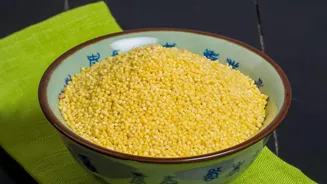
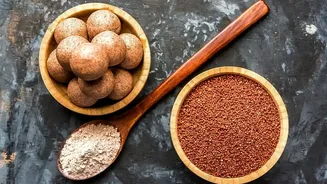
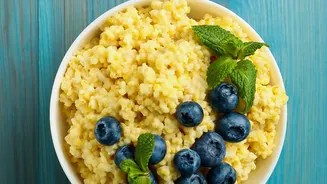
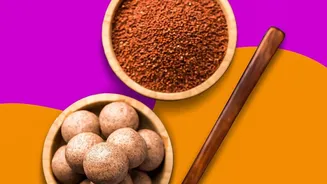
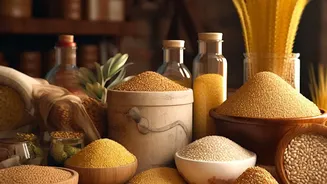
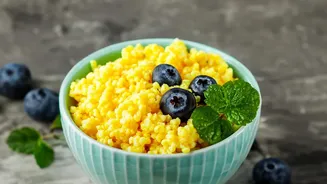
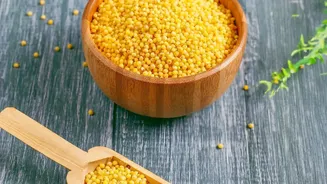
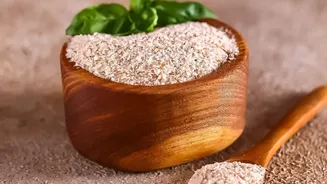
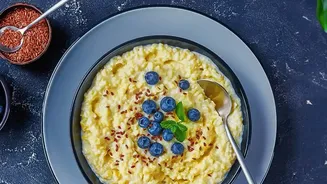
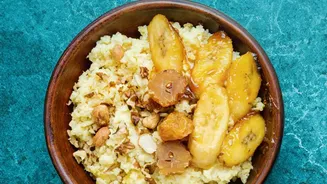
For generations, millets like ragi, jowar, and bajra were staples across India. Today, they are making a powerful comeback, and for good reason. Compared to refined grains like white rice and maida, millets are nutritional powerhouses. They are packed with dietary fibre, which aids digestion and promotes a feeling of fullness. Millets also have a lower glycemic index, meaning they release sugar into the bloodstream more slowly, preventing the sharp spikes associated with refined carbs. Furthermore, they are rich in essential minerals; for instance, ragi is an excellent source of calcium, while bajra is high in iron.
Good Fats and Natural Sweeteners
The fear of fat led many to replace traditional cooking fats like ghee with refined vegetable oils. However, science now supports what our grandmothers always knew. Pure ghee has a high smoke point, which means it remains stable during cooking and doesn't break down into harmful compounds like many refined oils do. It contains fat-soluble vitamins and butyrate, a fatty acid that supports gut health. Similarly, switching from refined white sugar to traditional sweeteners like jaggery (gur) can make a difference. Jaggery is unrefined and retains minerals like iron, potassium, and magnesium. It is digested more slowly than sugar, providing sustained energy without the drastic blood sugar spike.
A Symphony of Spices
Indian spices are more than just flavouring agents; they are a cornerstone of traditional medicine. Turmeric, with its active compound curcumin, is a potent anti_inflammatory. Ginger is known to aid digestion, while spices like cumin and black pepper can boost immunity and enhance nutrient absorption. Using a variety of whole and ground spices not only adds incredible depth to your meals but also provides a daily dose of powerful antioxidants that protect the body from disease.
Making the Switch: A Practical Guide for City Dwellers
Incorporating heritage ingredients into a busy urban lifestyle is easier than it sounds. Start by making simple swaps. Replace white rice with millets for one meal a day. Switch your cooking oil to ghee or cold pressed oils. Use jaggery instead of sugar in your tea or desserts. Sourcing these items is also becoming more convenient. Many local grocery stores, farmers markets, and online platforms now offer a wide range of traditional grains, organic spices, and pure ghee, delivering them right to your doorstep. The key is to start small, focusing on one change at a time to build sustainable, healthy habits.