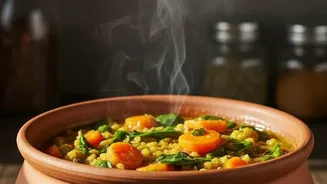


Imagine a way of cooking that promises deeper, more complex flavors while simultaneously decluttering your kitchen and shrinking your environmental footprint. This isn't a futuristic gadget; it's the humble, time-tested art of the one-pot meal.
The Science of Shared Flavor
The magic
of a great one-pot meal, like a hearty stew or braise, lies in its shared cooking environment. Instead of flavors developing in isolation, they meld and infuse one another over time. This process, known as combination cooking, often begins by searing proteins or vegetables in fat to build a flavorful foundation through caramelization. As liquids like stock or wine are added, they dissolve the browned bits from the bottom of the pan, a process that creates a deeply savory base. From there, every ingredient added—from aromatic onions and garlic to root vegetables and herbs—contributes its essence to the cooking liquid. The liquid, in turn, infuses those same ingredients, creating a dish where the whole is truly greater than the sum of its parts. Slow, gentle simmering allows tough cuts of meat to become fork-tender as their collagen breaks down into rich gelatin, which gives the final sauce a satisfying body. This slow melding creates a complexity that's difficult to replicate when components are cooked separately.
A Strategy for a Zero-Waste Kitchen
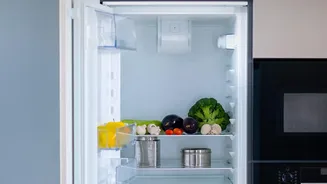
Beyond flavor, the single-pot method is a powerful tool for minimizing kitchen waste. It offers a natural home for the odds and ends that might otherwise be discarded. That half an onion, those two carrots at the bottom of the crisper, and the handful of mushrooms can all find a purpose in a soup or stew. This approach encourages using the whole vegetable. For instance, after chopping vegetables, the peels, ends, and stems of onions, carrots, and celery can be saved in a freezer bag. Once you've collected enough, these scraps can be simmered with water to create a flavorful, free vegetable stock, eliminating the need for store-bought versions and their packaging. This 'kitchen sink stock' approach turns potential trash into a valuable culinary asset. By using a single cooking vessel, you also naturally reduce water and energy consumption, as there's only one pot to heat and far fewer dishes to wash.
More Than Just Convenience
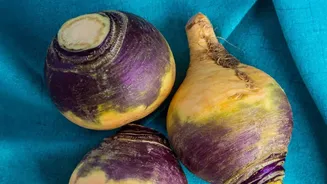
While the promise of minimal cleanup is a major draw, the benefits of one-pot cooking extend further. It's an inherently economical way to cook, lending itself to budget-friendly ingredients like tougher cuts of meat, beans, and root vegetables. Cooking everything together also helps retain nutrients that might otherwise be lost, for instance, when boiling vegetables and discarding the water. In a one-pot meal, those water-soluble vitamins and minerals remain in the dish, enriching the final product. The simplicity streamlines the entire cooking process, making wholesome, from-scratch meals more accessible on busy weeknights. From a culinary perspective, it encourages improvisation and a better understanding of how flavors and textures interact, turning a simple efficiency hack into a lesson in cooking intuition.
Tips for One-Pot Success
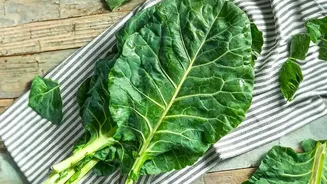
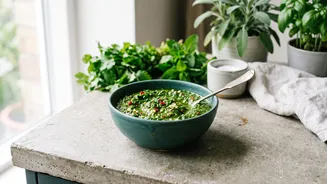
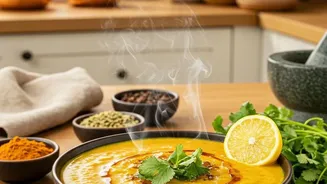
To get the most out of your single-pot creations, a few key techniques make all the difference. First, layer your ingredients. Don't just dump everything in at once. Start by sautéing aromatics like onion and garlic to build a flavor base. Second, consider the cooking times of your components. Add tougher root vegetables early on, while quicker-cooking items like leafy greens or delicate fish should be added toward the end to prevent them from becoming mushy. Finally, don't forget the finishing touches. A splash of vinegar, a squeeze of lemon juice, or a handful of fresh herbs added just before serving can brighten and elevate the entire dish, providing a fresh contrast to the long-simmered flavors.