



What is Black Rice?
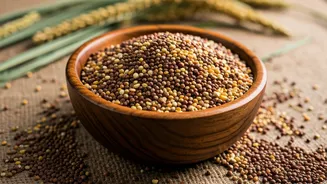
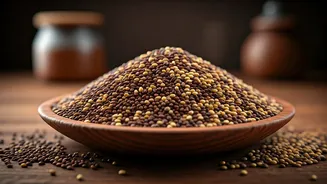
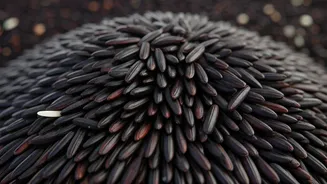
Often called 'forbidden rice' or 'emperor's rice', black rice has a rich history. Legend says it was once reserved exclusively for the emperors of ancient China due to its rarity and purported health benefits. Today, this striking, deep-purple grain is gaining
popularity worldwide, including in India, where varieties like the Manipuri Chak-hao are celebrated. Unlike white rice, which has had its bran, germ, and husk removed, black rice is a whole grain. Its dark colour comes from a high concentration of anthocyanins, the same powerful antioxidants found in blueberries and blackberries.
The Nutritional Showdown: Black vs. White
When placed side-by-side, the nutritional differences between black and white rice are stark. While white rice is primarily a source of simple carbohydrates, black rice offers a much more complex profile. A single serving of black rice contains significantly more fibre, protein, and iron than an equivalent portion of polished white rice. The fibre content is particularly important, as it aids in digestion, promotes a feeling of fullness, and helps regulate blood sugar levels, making black rice a lower glycemic index option. This means it's less likely to cause the sharp spikes in blood sugar often associated with white rice.
A Treasure Trove of Antioxidants
The standout feature of black rice is its impressive antioxidant content. The anthocyanins responsible for its colour are powerful compounds that fight oxidative stress in the body. Oxidative stress is linked to chronic conditions, inflammation, and ageing. By incorporating foods rich in antioxidants like black rice into your diet, you are helping your body combat cellular damage. In fact, research suggests that the bran of black rice contains one of the highest levels of anthocyanins found in any food, even surpassing other healthy whole grains like brown rice, red rice, and oats.
How to Cook Black Rice Perfectly
Cooking black rice is simple, though it requires a little more time and water than white rice. Due to its tough outer bran layer, it benefits from a good soak. For best results, rinse the rice thoroughly and then soak it in water for at least an hour, or even overnight. This softens the grain and reduces cooking time. A general rule of thumb is to use a 2:1 ratio of water to rice (two cups of water for every one cup of rice). Bring it to a boil, then reduce the heat, cover, and let it simmer for about 30-40 minutes, or until all the water is absorbed and the grains are tender but slightly chewy. The result will be a beautifully purple, nutty-flavoured rice.
Making the Swap in Indian Kitchens
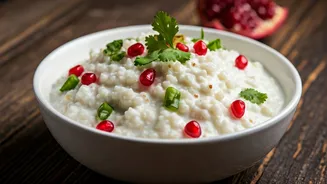
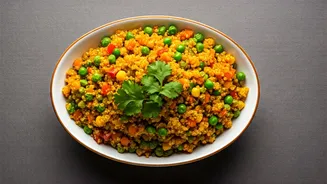
The slightly nutty, earthy flavour and chewy texture of black rice make it a versatile addition to Indian cuisine. You can start by simply replacing white rice in your daily meals. It pairs wonderfully with dal, sabzi, and curries, providing a more substantial and flavourful base. Think beyond a simple side dish: use cooked black rice to make a healthy kheer (sweetened with jaggery and coconut milk), a nutritious upma, or even as a filling for stuffed capsicum or parathas. Its striking colour can also elevate the presentation of any dish, from a simple curd rice to a festive biryani where it can be layered for a dramatic effect.