




The Allure of the Simple List
The promise of a simple checklist is tempting: plant okra, beans, and gourds, and watch your garden thrive. Many online guides and nurseries offer such lists for August sowing. These recommendations are not wrong—crops like bhindi (okra), various gourds, and beans are indeed
well-suited to the warm, humid conditions that prevail across much of the country during the tail-end of the monsoon. They are generally hardy, germinate quickly, and can handle the moisture. However, these lists often gloss over a crucial fact: India is not a single gardening zone. A generic calendar fails to account for the vast climatic differences, from the temperate north to the tropical south, making such advice a starting point at best and a recipe for failure at worst.
The Great Divide: North vs. South
The most significant variable a generic list misses is the stark difference between North and South India in August. In many northern states, August marks the transition away from peak monsoon, with temperatures beginning to cool slightly. Gardeners here can start thinking about early winter crops. It’s a good time to sow seeds for carrots, radishes, and even early cauliflower in nursery trays for transplanting later. In contrast, the southern peninsula has often already experienced its heaviest monsoon rains. The climate remains consistently warm and humid, conditions that are perfect for continuing with heat-loving vegetables. Sowing cauliflower in the south in August would be futile, but it is an ideal time for another round of tomatoes, brinjals (eggplant), and chillies.
Your Garden’s Own Weather
Beyond broad regional climates, every garden has its own microclimate. This is influenced by factors like sun exposure, wind protection, and surrounding structures. A south-facing balcony in Delhi might be several degrees warmer than a shaded backyard in the same city, allowing you to grow heat-loving herbs for longer. Conversely, a garden in a low-lying area might be prone to waterlogging during late monsoon showers, making good drainage paramount and root vegetables a risky choice. Understanding your specific conditions is key. Does your terrace get six hours of direct sun or just three? Is it shielded from wind, or exposed? Answering these questions will tell you more about what will thrive than any national planting calendar ever could.
It’s Not Just What, But Which
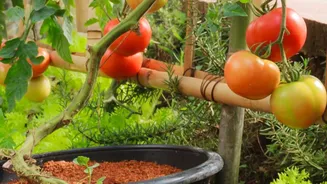
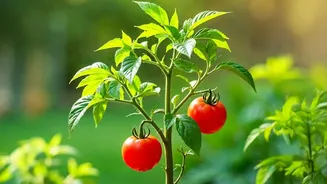
Even when a vegetable is suitable for a region, the specific variety matters. Take tomatoes, for example. Some varieties are bred for heat tolerance, making them suitable for August sowing in warmer regions, while others are developed for cooler climates and would struggle. Similarly, some beans are climbing varieties that need trellis support, perfect for vertical balcony gardens, while others are bush types that spread out. Generic lists rarely specify varieties, leaving the gardener to guess. The best approach is to source seeds from a local supplier or nursery. They are more likely to stock varieties that are proven to perform well in your specific area, taking the guesswork out of the equation.
A Smarter August Sowing Strategy
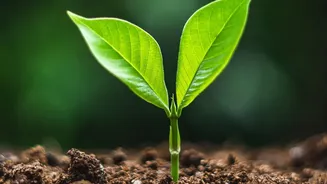
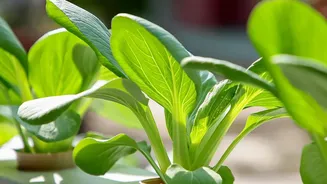
Instead of blindly following a list, use August as a month of observation and planning. First, assess your climate. If you're in the north, focus on transitional crops that bridge the gap between monsoon and winter. Think leafy greens like spinach, which can be started now for an early cool-season harvest. If you’re in the south or west, embrace the warmth and humidity to grow gourds, okra, beans, and brinjal. For flowers, zinnias and cosmos are excellent choices nationwide as they handle humidity well and bloom quickly. Second, check your soil. If heavy rains have compacted it, work in some compost to improve aeration and drainage. Finally, talk to local gardeners. Their firsthand experience is the most reliable guide you will find, offering insights that are tailored to your neighbourhood, not just your nation.