

From Tandoor to Tava
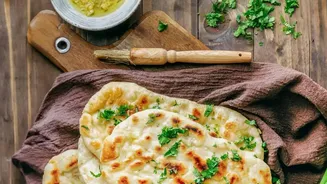
Traditionally, breads like naan and kulcha were the exclusive domain of restaurants for one simple reason: the tandoor. This clay oven, which can reach scorching temperatures, imparts a unique smoky flavour and a perfect balance of chewy and charred textures
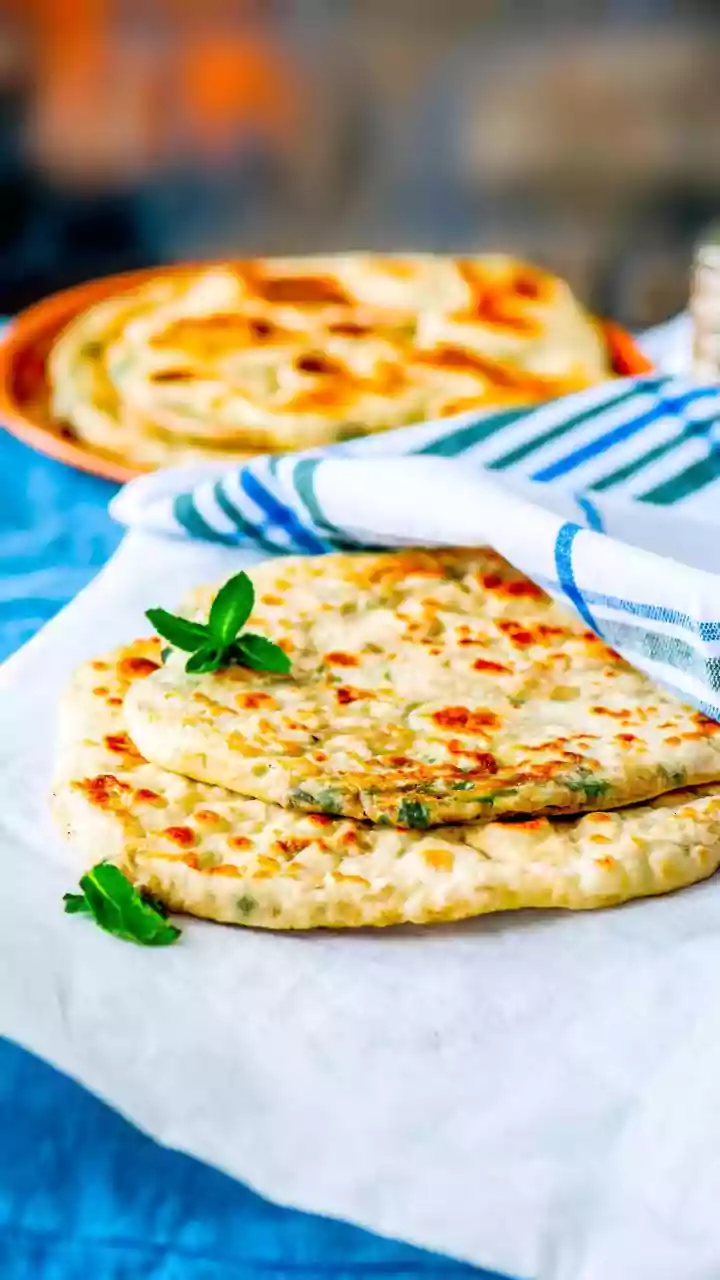
that home ovens struggle to replicate. Naan, with its origins in Persian and Mughal courts, has long been considered a special-occasion bread, a delicacy rather than a daily staple. Kulcha, while also leavened, was seen as its more accessible cousin, often cooked on a tawa or in a kiln and popular as a street food, especially in Punjab. Roomali roti, or ‘handkerchief bread,’ seemed even more unattainable, requiring the skill to stretch dough to translucent thinness and cook it over a large inverted wok, or 'kadai'. For most home cooks, attempting these felt more like a culinary fantasy than a weeknight possibility.
A Lockdown-Fuelled Renaissance
The nationwide lockdowns during the COVID-19 pandemic acted as a powerful catalyst for a home-cooking revolution. With restaurants closed and people confined to their homes, many turned to the kitchen not just for sustenance, but for a challenge. This period saw a surge in ambitious culinary projects, from baking sourdough to mastering complex traditional recipes. Suddenly, people had the time and motivation to tackle dishes they had only ever ordered. This shift toward home-cooked meals, driven by both necessity and a desire for new skills, created the perfect environment for experimenting with breads that were once considered too difficult. Social media platforms became virtual cooking schools, with countless videos and tutorials demystifying the process of making everything from dalgona coffee to fluffy kulchas at home.
The Rise of the Home Chef
Beyond the pandemic's influence, a broader cultural shift is at play. A new generation of Indian home cooks is more curious and ambitious than ever, seeking to reconnect with their culinary heritage on their own terms. There's a growing desire for authenticity, not just the standardised versions served in many eateries. Making these breads from scratch offers a deeper satisfaction and control over ingredients, allowing for healthier variations using whole wheat flour or avoiding preservatives. This movement is also supported by the increasing availability of ready-to-cook and frozen options from brands like Aashirvaad and others, which offer a convenient entry point for those not yet ready to make dough from scratch. Online grocers and marketplaces have made it easier than ever to find these products.
Innovation in the Home Kitchen
The lack of a tandoor is no longer a deal-breaker. Home cooks have developed ingenious techniques to mimic its effects using everyday equipment. An inverted kadai or wok on a high flame has become a popular substitute for making roomali roti and even tandoori-style rotis. Pressure cookers are being used to create a sealed, high-heat environment that helps naan puff up beautifully. Food bloggers and YouTubers have perfected recipes for tawa naan—cooked on a simple flat griddle—that deliver a soft, pillowy texture without any special equipment. These creative workarounds, shared widely online, have empowered countless people to try their hand at these recipes, proving that delicious, restaurant-quality bread is achievable at home.