






The Dawn of 'Urban Bharat'
For years, marketers viewed India through the lens of its major metropolitan areas, assuming that consumer trends would trickle down from cities like Mumbai and Delhi to the rest of the country. That assumption is now outdated. Today, the most dynamic
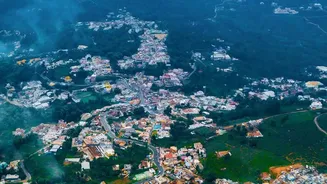
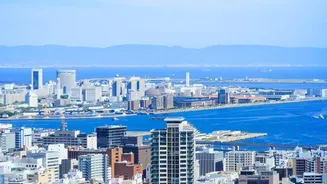
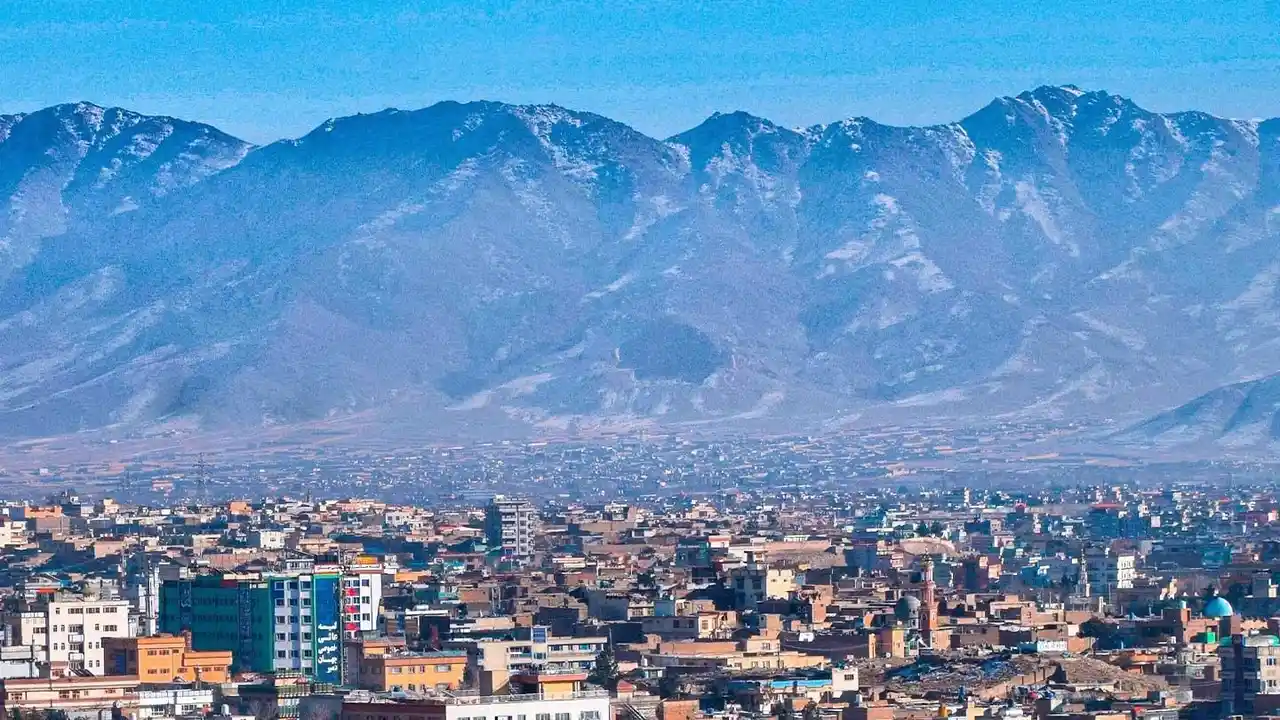
brand battles are being fought in cities like Lucknow, Jaipur, Indore, and Surat. These non-metro hubs, often referred to as 'Urban Bharat' or Tier 2 and Tier 3 cities, are no longer just catching up; they are becoming powerful, independent consumer markets in their own right. In fact, nearly one in three urban Indians now resides in these cities, making them one of the fastest-growing consumption markets in the country.
The Digital Revolution Reaches the Hinterland
A key catalyst for this transformation is technology. The widespread availability of affordable smartphones and cheap data has erased many of the barriers that once separated smaller cities from metropolitan India. India's internet user base has surged past 950 million, with rural and semi-urban areas accounting for over half of all active users. This digital wave has a profound impact on commerce. With platforms like Amazon and Flipkart making inroads, e-commerce transactions from Tier 2 and Tier 3 cities now account for over 60% of the total in India. Furthermore, the Unified Payments Interface (UPI) has become a default payment method for a majority of consumers in these markets, showcasing a high level of digital financial maturity.
Rising Incomes Fuel New Aspirations
The most fundamental driver of this growth is economic: people in smaller cities simply have more money to spend. Rising household incomes, driven by local industry, government schemes, and improved agricultural earnings, have created a new consumer class. According to one report, the affluent population in these cities has grown by an astonishing 76% over the past six years. This increased purchasing power, combined with exposure to urban lifestyles through media and the internet, has ignited a surge in aspirational spending. Consumers are moving beyond basic necessities and are increasingly choosing branded goods, premium services, and better experiences, from personal finance and automobiles to education.
Infrastructure Paves the Path to Purchase
This boom wouldn't be possible without significant upgrades to physical infrastructure. Government initiatives like the Bharatmala Pariyojana are building new highways to connect hundreds of district headquarters, while the UDAN scheme has made air travel more accessible by connecting scores of smaller airports. This improved connectivity has been a game-changer for logistics, a traditional barrier to retail expansion in smaller cities. A boom in warehousing across these regions means that companies can now manage their supply chains more reliably, ensuring products are stocked and delivered faster than ever before.
Brands Learn to Speak a New Language
To succeed in these evolving markets, companies are realizing that a one-size-fits-all approach doesn't work. The consumer in a Tier 2 city has distinct motivations, often placing higher trust in community recommendations and word-of-mouth than in traditional advertising. They are not necessarily looking for the cheapest option, but for value, convenience, and trustworthiness. Successful brands are those that localize their strategies, using regional language content, leveraging local influencers, and creating marketing campaigns that resonate with local culture and festivals. This shift is forcing brands to move beyond simply translating their message and instead genuinely connect with the lives and aspirations of this new Indian consumer.