



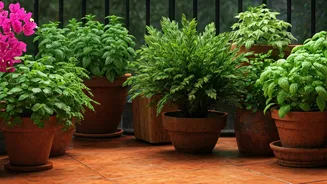


Why The Monsoon is Magic
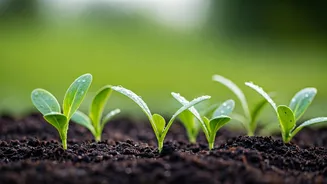
Gardening during the monsoon might seem counterintuitive. Won't the heavy rains drown everything? Not at all. In fact, this season is a blessing for gardeners. The high humidity levels encourage fast germination and lush foliage, the overcast skies protect
delicate seedlings from harsh sun, and the natural, chlorine-free rainwater is packed with nutrients that plants love. With a few smart adjustments, the monsoon can be the most rewarding time to discover your green thumb.
The Foundation: Perfect Potting Mix
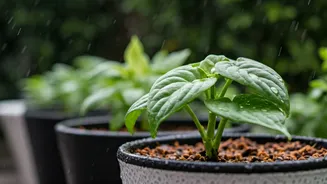
Success in monsoon gardening starts with the soil. The biggest challenge is waterlogging, which can lead to root rot. Your goal is to create a potting mix that retains moisture but allows excess water to drain away freely. For containers and pots, a fail-safe recipe for beginners is a mix of equal parts garden soil, coco peat (or compost), and coarse sand. The sand creates air pockets and improves drainage, while the coco peat holds just enough moisture. Before filling your pots, ensure they have plenty of drainage holes at the bottom.
What to Plant: Monsoon Superstars
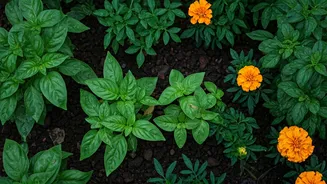
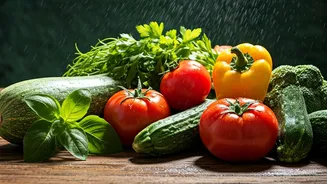
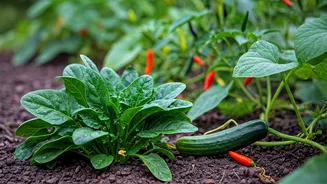
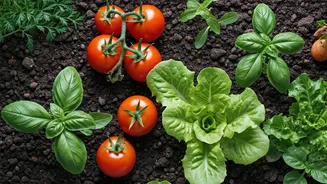
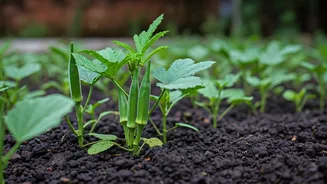
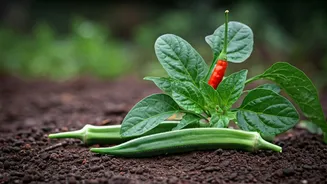
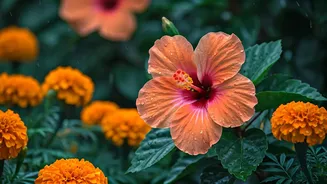
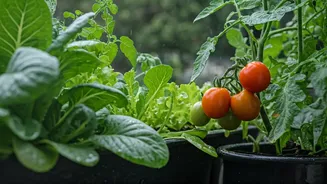
Not all plants enjoy a downpour. Stick to species that thrive in high humidity and wet conditions. For beginners, these are excellent choices: * **Vegetables:** Go for quick-growing varieties. Leafy greens like spinach (palak) and amaranth (chaulai) are fantastic. Fruiting vegetables like lady's finger (bhindi), chillies, gourds (lauki, turai), and beans grow vigorously during this time. Cucumbers are another excellent choice. * **Herbs:** Mint (pudina), basil (tulsi), and lemongrass are almost impossible to kill in the monsoon. They love the moisture and will give you a fresh, aromatic supply for your kitchen. * **Flowers:** Bring a splash of colour to the grey skies. Marigolds (genda), hibiscus, balsam (gulmehendi), and zinnias are hardy and bloom beautifully throughout the rainy season. They also help attract pollinators to your vegetable plants.
Watering: Don’t Overdo It
Yes, you still need to water your plants during the monsoon, but strategically. On days with continuous, heavy rain, your plants won't need anything extra. However, during dry spells between showers, the soil in pots can dry out quickly. The rule is simple: stick your finger about an inch into the soil. If it feels dry, it's time to water. If it's moist, leave it alone. Always water the soil directly, not the leaves, to prevent fungal growth. Morning is the best time to water, allowing any excess moisture on the foliage to evaporate during the day.
Fighting Pests and Fungi
High humidity is a breeding ground for pests and fungal diseases. Be proactive. Inspect your plants every few days for signs of trouble like wilting leaves, white powdery mildew, or tiny insects. Ensure good air circulation by not overcrowding your plants. If you spot pests, a simple solution of neem oil mixed with water and a few drops of liquid soap can be sprayed on the plants. This organic pesticide is effective against common pests like aphids and mealybugs and also has antifungal properties. Remove any infected leaves immediately to prevent the problem from spreading.
Provide Support and Shelter
Strong winds and lashing rains can damage your plants. For climbing plants like gourds and beans, provide a sturdy trellis or support structure for them to hold onto. If your balcony or garden is exposed to heavy winds, consider moving smaller pots to a more sheltered location during storms. For taller, single-stem plants, a simple stake can prevent them from snapping in the wind. A little physical support goes a long way in keeping your garden safe and sound through the season.