
The Sadya: A Unifying Feast
The Onam Sadya is a culinary masterpiece, a symbol of abundance and togetherness that features anywhere from 20 to 30 vegetarian dishes. From the tangy pulissery and mixed-vegetable avial to the comforting olan and sweet payasam, each dish has its place
on the banana leaf, creating a harmonious balance of flavours. This feast is a cherished tradition, uniting Malayalis everywhere. However, it often presents a standardized version of Kerala's cuisine. Now, a growing curiosity is pushing gourmands to explore the state's incredibly diverse culinary landscape, revealing that there is so much more to Kerala food than what is served during the festive meal.
A Journey to the Malabar Coast
In northern Kerala lies the Malabar region, home to the vibrant Mappila (or Moplah) cuisine. This culinary tradition is a beautiful blend of local Kerala ingredients and strong influences from Arab, Portuguese, and Dutch traders. Unlike the largely vegetarian Sadya, Mappila food is celebrated for its predominantly non-vegetarian fare, featuring chicken, mutton, beef, and an abundance of fresh seafood. The star of this region is the Thalassery biryani, made with short-grain kaima rice and cooked using the 'dum' method, which gives it a unique aroma and flavour distinct from other biryanis. Other specialities include various kinds of 'pathiri' (rice-flour flatbreads), stuffed mussels (kallummakkaya), and the layered pancake dish, chatti pathiri.
The Rich Heritage of Syrian Christian Kitchens
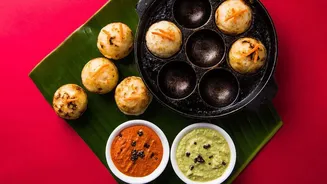
Travel to central Kerala, and you'll discover the robust flavours of the Syrian Christian or Nasrani cuisine. This culinary style, with roots stretching back centuries, incorporates local ingredients with influences from Portuguese, Dutch, and British cooking. The community's dishes are famous for their generous use of coconut, spices, and hearty meat preparations. Signature dishes that offer a different experience from the Sadya include appam (a soft, fluffy rice pancake) often paired with a mild chicken or vegetable stew. Other must-try delicacies are duck mappas (duck in a creamy coconut gravy), spicy beef fry (erachi olarthiyathu), and fish molee, a delicately spiced fish curry with a coconut milk base.
The Subtle Tastes of Travancore
Southern Kerala, the region historically known as Travancore, offers its own distinct culinary identity. While sharing common ingredients like coconut and rice, the preparations here often have a subtle difference in flavour profiles compared to the north. The cuisine can feature a greater emphasis on vegetables and a unique balance of sweet and sour notes, sometimes using tamarind or raw mango instead of curd in dishes. While many Travancore dishes are part of the standard Sadya, there are specific regional preparations that stand out. These include dishes like mampazha pulissery (a ripe mango curry) and various fish curries prepared with a distinct local touch. The food is often described as simple and homely, focusing on allowing the natural taste of the ingredients to shine through.
A Modern Culinary Awakening
This growing interest in regional cuisines is being fueled by a new generation of home chefs, food bloggers, and restaurateurs. Many are now curating special Onam menus and pop-ups that showcase these lesser-known regional gems. Instead of just another Sadya, they offer a culinary tour of Kerala on a plate, presenting Malabar seafood delicacies alongside Travancore vegetarian specialities and Syrian Christian meat dishes. This movement isn't about replacing the beloved Sadya but rather about expanding the celebration. It's a recognition that Kerala's culinary heritage is a rich tapestry woven from many different threads, each with its own unique story and flavour.