






The Allure of Aerial Florals
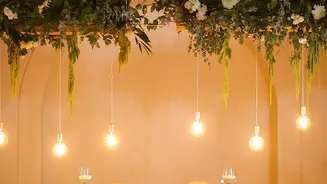
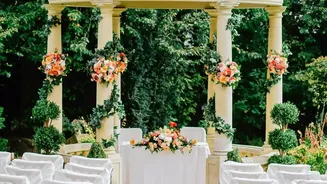
Hanging floral installations have become a defining trend in event design, transforming ballrooms, barns, and tents into immersive, fairytale-like settings. From lush greenery garlands to dense clouds of baby's breath, these overhead arrangements do more
than just decorate a room; they change its entire atmosphere. They can make a cavernous space feel more intimate, draw the eye upward, and frame key moments like vows, speeches, or the first dance. The visual impact is undeniable, creating the kind of “wow” moment and memorable photos that many hosts and couples dream of. As a result, requests for complex, large-scale suspended florals are more common than ever.
The Unseen Physics of Flowers
The primary, and most underestimated, risk of a hanging floral installation is its weight. A dry bundle of flowers and branches might seem manageable, but the final piece is far heavier. The structure itself—often made of lumber, chicken wire, or metal frames—adds a foundational load. The real ambush, however, is water. Mechanics like floral foam, which are used to keep blooms fresh, can double an arrangement's dry weight when fully soaked. A dense, fresh garland can weigh between 5 and 15 kilograms per metre, while larger chandeliers or floral clouds can easily reach 20 to 60 kilograms or more. Without proper assessment, this immense weight is suspended directly over guests, creating a significant safety hazard.
The Mechanics of a Secure Installation
Securely hanging such a heavy object requires professional knowledge and equipment. The process, known as rigging, is a specialized skill. The first step is identifying a suitable anchor point, which is the most critical part of the plan. An ideal anchor is a structural element of the building with a documented load-bearing capacity, like an exposed rafter or a professionally installed rigging point. Decorative elements like vintage ladders, lighting grids, or sprinkler pipes should never be used for anchoring, as they are not designed to bear significant weight. Professionals use hardware like chains, steel cables, and clamps that are rated to hold at least five times the installation's total wet weight to create a crucial safety margin.
Essential Questions for Your Vendors
To ensure your vision doesn't compromise safety, clear communication with your event planner, floral designer, and venue is paramount. These questions can help guide the conversation: 1. What is the estimated final weight of the installation, including water-soaked mechanics? 2. Has the venue approved the installation, and what are their specific rules for hanging decor? 3. What are the anchor points, and have they been verified as structurally sound for this load? 4. Will a professional rigger be used for the installation, or does the floral team have certified experience? 5. What hardware will be used, and is it rated for the calculated weight with a sufficient safety factor? 6. Does your business carry liability insurance that covers potential accidents from installations? 7. What is the plan for setup and breakdown, and who is responsible for ensuring everything is secure before guests arrive?
The Role of Professionals and Liability
Attempting a large-scale hanging installation as a DIY project or with inexperienced friends can introduce serious risks. Professionals are not just skilled in aesthetics; they are, or should be, trained in safety protocols. Many venues now require that any overhead installations be handled by insured professionals and may even require a licensed rigger. In the event of an accident, liability could fall on the host, the decorator, or the venue, depending on who was negligent. Property owners and event organizers have a legal duty to maintain a reasonably safe environment for their guests, and that includes ensuring all decorations are securely installed. Hiring qualified and insured experts is the best way to mitigate risk and protect both your guests and yourself.