


The Call of the Uncrowded Road
While popular tourist circuits grapple with over-tourism, a different kind of journey awaits those willing to trade crowded viewpoints for quiet discovery. A road trip through the Western Ghats is an antidote to the checklist-driven holiday. It’s about
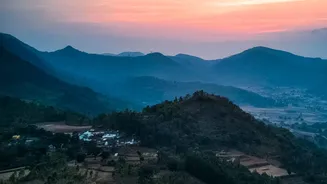
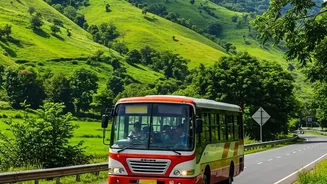
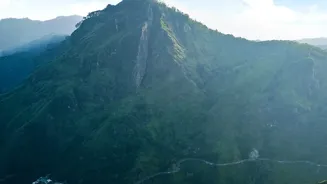
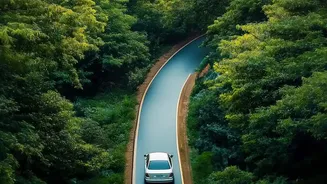
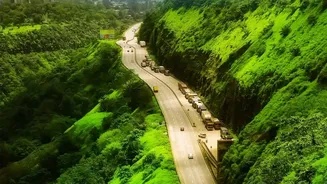
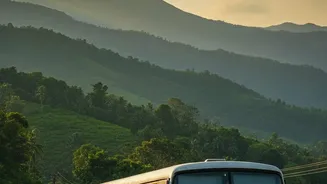
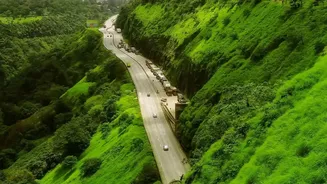
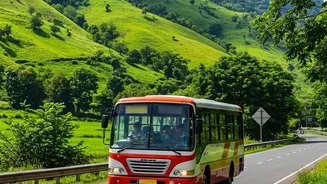
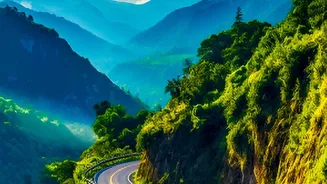
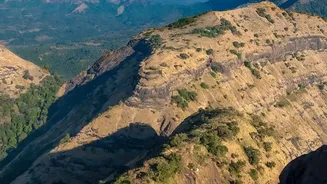
the journey itself—the sharp hairpin bends revealing panoramic vistas, the sudden appearance of a monkey troop by the roadside, and the joy of sipping chai at a rustic stall with no one else around. Spanning six states from Gujarat to Tamil Nadu, this mountain range offers an escape where the drive is the destination. Unlike mass-market hubs, the Ghats invite you to slow down, connect with an ancient landscape, and find pockets of profound tranquility.
A Living, Breathing World Heritage Site
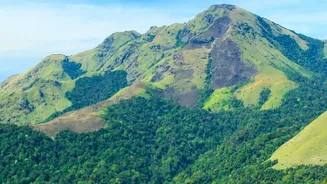
The Western Ghats are not just a mountain range; they are a UNESCO World Heritage Site and one of the world's eight 'hottest hotspots' of biological diversity. This means every kilometre of your drive is through a living museum of nature. The forests are home to thousands of plant species, hundreds of which are found nowhere else on Earth. The region provides a refuge for iconic and threatened wildlife, including elephants, tigers, the unique lion-tailed macaque, and the Nilgiri tahr. Driving here feels different because it is different; you're moving through an ecosystem that has been evolving for millions of years, a vital corridor for biodiversity that changes with every turn.
Iconic Routes for Every Traveller
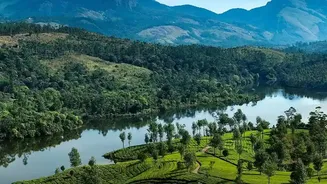
The beauty of the Ghats is their variety, offering routes for every kind of road-tripper. The drive from Pollachi to Valparai in Tamil Nadu is a classic, famous for its 40 hairpin bends that climb through dense forests and tea estates. For those seeking a wilder experience, the Chorla Ghat route connects Goa to Karnataka through thick forests that are especially dramatic during the monsoon, with mist and waterfalls creating a mystical atmosphere. A journey from Bangalore to Coorg immerses you in the heart of coffee country, with mist-covered hills and plantations stretching as far as the eye can see. Other beloved routes include the lush drive from Kochi to Wayanad, passing spice plantations, or the journey through the Nilgiris from Ooty to Mudumalai, where tea-covered hills give way to a wildlife haven.
More Than a Drive: Local Immersion
The real magic of a Western Ghats trip lies in the experiences beyond the driver's seat. The region is dotted with homestays and farmstays that offer a genuine alternative to commercial hotels. Here, you can wake up to the sound of birds, tour a family-owned coffee or spice plantation, and learn about the local way of life. The cuisine is another highlight. Homestay kitchens pride themselves on using hyper-local and seasonal ingredients, offering authentic Malnad or regional dishes that you won't find in city restaurants. Think freshly ground coffee from the estate, curries made with backyard vegetables, and traditional recipes passed down through generations. This immersion in local culture and food is what truly sets the experience apart from a conventional holiday.
Tips for Your Ghats Adventure
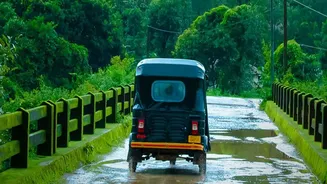
Planning is key to a successful Ghats road trip. The best time to visit is often post-monsoon (from September to March), when the landscape is intensely green and the weather is pleasant. However, a monsoon drive has its own dramatic charm, with overflowing waterfalls and misty roads, though it requires more cautious driving. Ensure your vehicle is in good condition, especially the brakes and tyres, to handle the winding terrain. Most importantly, travel responsibly. The Ghats are an ecological treasure. Avoid using single-use plastics, do not feed wild animals, and respect the pristine environment you are privileged to be driving through. By embracing a slower, more conscious form of travel, you can truly appreciate the serene escape that these mountains offer.