


The Allure and The Danger
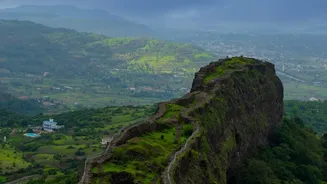
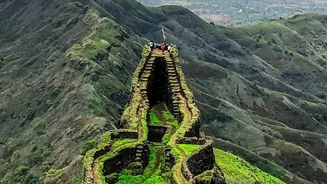
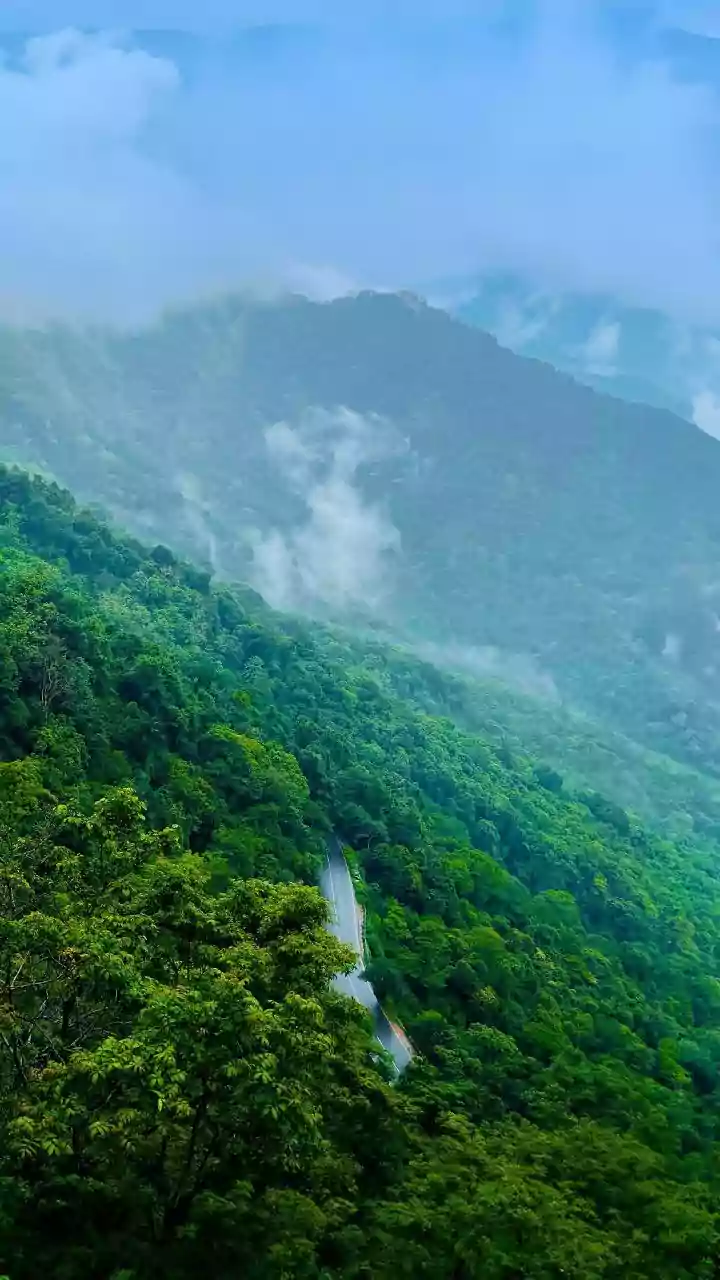
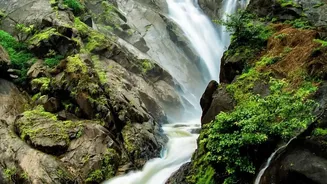
There's a reason why monsoon trekking in the Sahyadris and other parts of the Western Ghats has become a cherished seasonal ritual. Hillsides that were brown and dry in May erupt into impossible shades of green, waterfalls appear on cliffs that were barren
just weeks before, and a cool mist hangs in the air. For city dwellers in Mumbai, Pune, and Bengaluru, it’s an irresistible escape. But the same rains that bring this beauty also introduce significant dangers: trails become slippery, rocks turn treacherous, and the risk of landslides and flash floods is very real. Treating a monsoon trek like a simple walk in the rain is a mistake many first-timers make, often with serious consequences.
Know Before You Go: Bans and Regulations
The single most important safety rule for the 2026 monsoon season is to check the official status of your chosen trail. In response to past incidents, authorities in Maharashtra and Karnataka have implemented strict regulations. In Maharashtra, district collectors in Pune, Raigad, Thane, and Nashik have issued orders under Section 163 of the BNSS, banning entry to numerous popular forts, waterfalls, and dams during peak rainfall. Similarly, Karnataka has a structured permit system for its Western Ghats trails, requiring mandatory online booking, certified guides, and daily limits on the number of trekkers. For popular treks like Kudremukh and Netravathi, slots can sell out within minutes of being released online. These rules are not optional; they are legally enforced and can change overnight based on weather alerts. Always check the websites of the relevant district collector and forest department before you even think about packing.
Essential Gear: Your Monsoon Checklist
Proper gear is not a luxury; it's a necessity. The right equipment protects you from the elements and prevents common injuries. The three main areas to focus on are footwear, rain protection, and your backpack essentials.
Footwear: Grip is Non-Negotiable
The number one cause of accidents on a monsoon trek is losing your footing on slippery terrain. Your regular sports shoes or sneakers are completely inadequate. You need trekking shoes with deep lugs and a high-traction sole, preferably made of a waterproof or quick-drying material. This provides the stability needed to navigate wet rocks, muddy slopes, and moss-covered paths, significantly reducing the risk of falls and injuries.
Clothing and Rain Protection: Stay Dry, Stay Safe
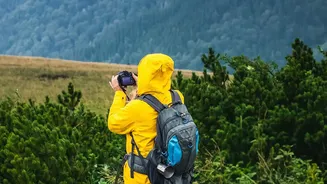
Avoid cotton at all costs. It absorbs water, gets heavy, and pulls heat from your body, increasing the risk of hypothermia. Opt for quick-drying synthetic T-shirts and trek pants. A high-quality waterproof jacket or a poncho is essential. A poncho has the added benefit of being able to cover both you and your backpack. Speaking of which, a waterproof backpack cover is crucial for keeping your spare clothes, electronics, and food dry. Pack everything inside your backpack in separate plastic or dry bags for an extra layer of protection.
On-Trail Safety Practices
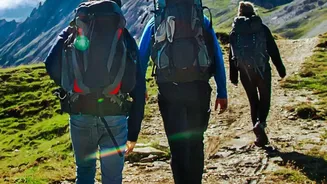
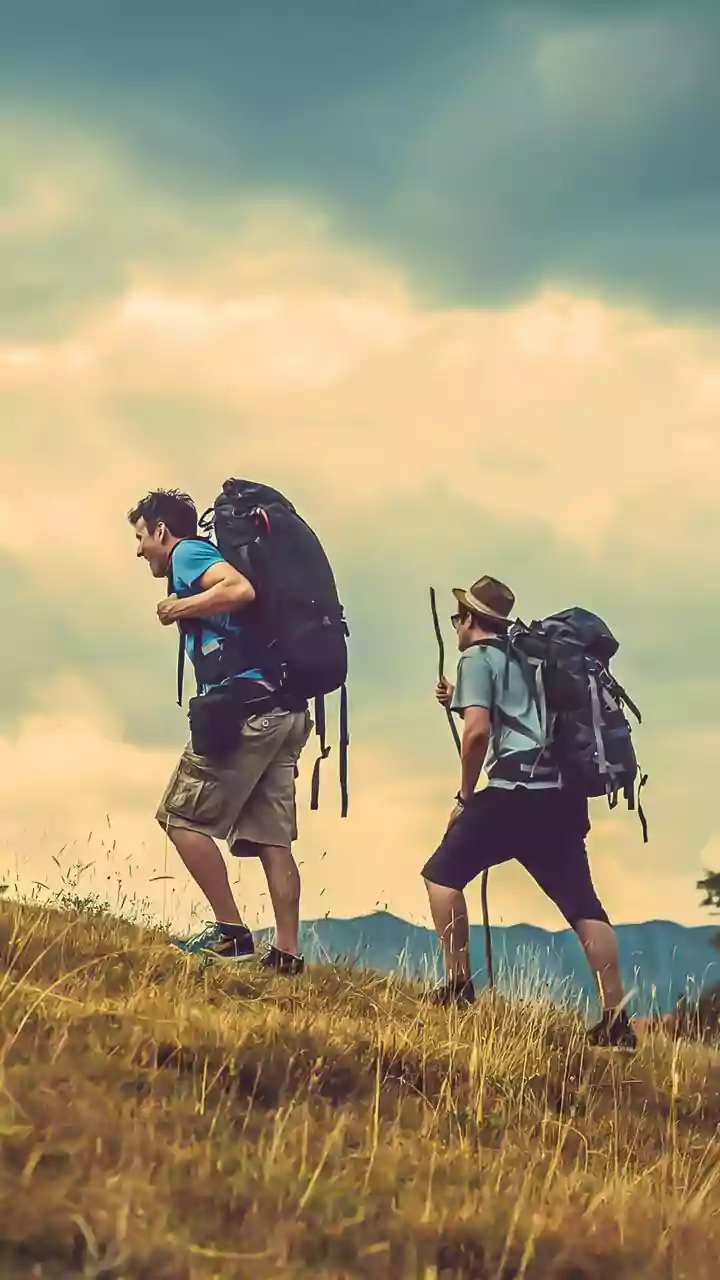
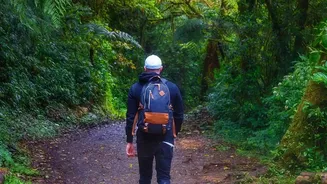
Your safety strategy continues once you're on the trail. Always trek in a group and consider hiring a local guide who understands the terrain and its risks. Start your trek early to avoid being caught on the trail after dark. Be extremely cautious when crossing streams; what looks like a gentle flow can have a powerful current. Leeches are a common nuisance, so consider wearing anti-leech socks or applying a salt mixture to your shoes and socks. Finally, always inform a friend or family member of your exact itinerary and your expected return time. This simple step can be a lifesaver in an emergency.