


Anatomy of a Disaster
In October 2023, the South Lhonak glacial lake in Sikkim, India, provided a devastating case study. A massive section of the moraine—the natural dam of loose rock and sediment holding the lake back—collapsed. This triggered a 20-metre-high tsunami-like
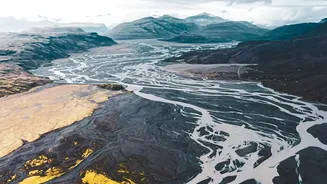
wave that breached the dam, unleashing a torrent equivalent to 20,000 Olympic swimming pools. The floodwaters surged through the Teesta Valley at nearly 30 km/h, destroying a major hydropower dam and devastating towns in its path. The event underscored a chilling reality: these disasters are not slow-building crises but sudden, explosive events that can happen in minutes, leaving little to no time for evacuation. The entire catastrophe, from the initial landslide to the destruction of the dam, unfolded with breathtaking speed.
What Is a Glacial Lake Outburst Flood?
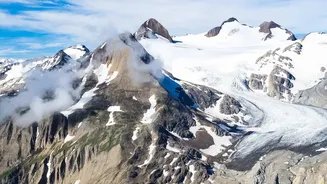
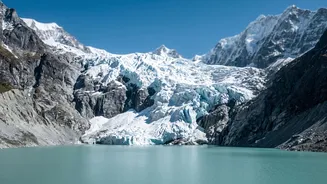
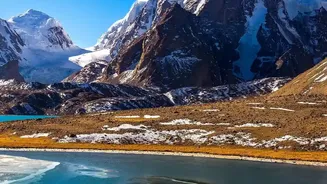
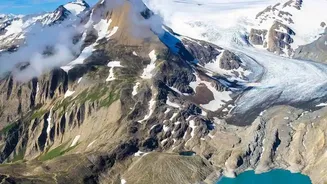
A Glacial Lake Outburst Flood, or GLOF, is exactly what it sounds like: the sudden and violent release of water from a lake fed by melting glaciers. These lakes are often held in place by unstable dams made of moraine—a mix of ice, rock, and soil left behind by a retreating glacier. As climate change accelerates glacier melt, these lakes are growing in both number and size across the Himalayas. A trigger, such as a rockslide, a heavy chunk of glacier falling into the water, or even an earthquake, can cause the fragile dam to fail. The result is not just a flood, but a thick, fast-moving slurry of water, mud, boulders, and ice that scours everything in its path, amplifying its destructive power as it travels downstream.
The Climate Change Connection
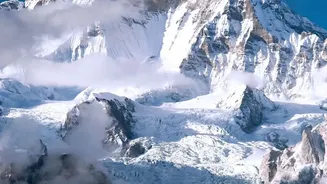
The link between a warming planet and the increased risk of GLOFs is direct and undeniable. The Hindu Kush Himalaya region is warming significantly faster than the global average. This accelerated warming does two dangerous things. First, it melts glaciers at an unprecedented rate, feeding more water into these high-altitude lakes. Studies show that glacier ice loss rates have doubled since 2000. Second, it thaws permafrost, the frozen ground that acts like a natural glue holding steep mountain slopes together. As this permafrost degrades, the slopes—including the moraine dams containing the lakes—become far more unstable and prone to collapse. This creates a perfect storm where the lakes are getting bigger just as the natural walls holding them back are getting weaker.
A Growing Threat to Indian Communities
This isn't just a remote mountain problem; it's a direct threat to millions of people and critical infrastructure in India. States like Sikkim, Uttarakhand, and Himachal Pradesh are dotted with vulnerable communities, roads, and multi-crore hydropower projects built in the very valleys these floods tear through. A 2023 study found that 15 million people globally are at risk from GLOFs, with a huge concentration in India and neighbouring countries. Following recent disasters, authorities have identified hundreds of potentially dangerous glacial lakes in the Indian Himalayas, with dozens classified as high-risk. The fast-paced development in these fragile mountain corridors means that more people and assets are being placed in harm's way, raising the stakes of each potential flood.
The Race for Early Warnings
Given the speed of these events, early warning systems are crucial to saving lives. India is taking steps to monitor high-risk lakes, using a combination of satellite imagery and on-site sensors to detect changes in water levels or land instability. The Centre for Development of Advanced Computing (C-DAC) has deployed India's first GLOF early warning system in Sikkim, with plans for more. However, the challenges are immense. Many of these lakes are in remote, inaccessible locations, making it difficult to install and maintain equipment. Furthermore, as the South Lhonak event showed, the trigger can be a sudden landslide, leaving only minutes for a warning to be effective. This makes enhancing community preparedness, identifying safe evacuation routes, and building resilient infrastructure just as critical as technological monitoring.