







The Concrete Sponge Effect
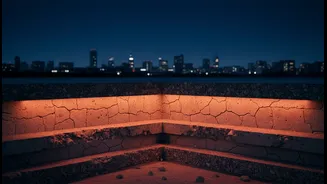
Throughout the day, the materials that build our cities—concrete, asphalt, and brick—are constantly absorbing solar radiation. Think of them as giant, dark-coloured sponges soaking up sunlight. Natural landscapes with vegetation and soil use this energy
for processes like evapotranspiration, which has a cooling effect. But urban surfaces lack this ability. Instead of reflecting sunlight, they absorb and store an immense amount of heat, causing surface temperatures to soar. On a hot day, a patch of asphalt can be significantly warmer than the air temperature, and the concrete walls of our homes are no different.
Why Nights Offer No Relief
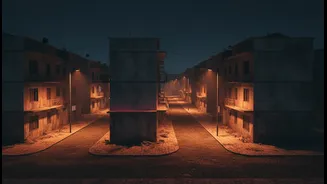
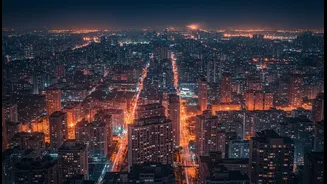
This stored heat becomes a major problem after the sun goes down. As the surrounding air begins to cool, the concrete and asphalt start to release the vast thermal energy they've collected all day. This process of re-radiation warms the air within the city, preventing temperatures from dropping as they would in rural areas. This phenomenon is known as the 'urban heat island' (UHI) effect, where a metropolitan area is significantly warmer than its surroundings, particularly at night. The difference can be as much as 5-6°C, creating a bubble of warmth that offers little respite for families trying to sleep.
The High-Rise Complication
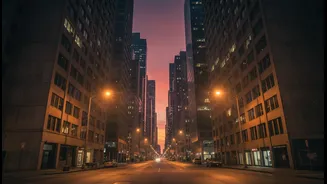
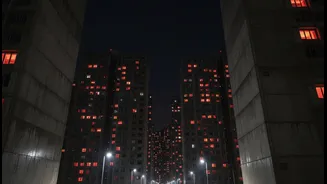
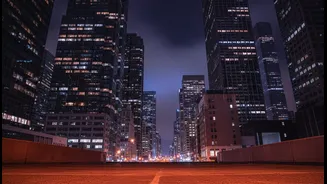
High-rise residential zones add another layer to the problem. Densely packed tall buildings create what is known as an 'urban canyon.' These canyons reduce airflow and trap air between them. This stagnant air is continuously warmed by the heat radiating from the building facades. Furthermore, high-rises present a massive vertical surface area for absorbing sunlight during the day. This arrangement not only traps heat at ground level but can also make apartments on upper floors intensely hot, as there is little to block the sun's rays. The cumulative effect is that these dense residential zones become highly efficient at both capturing and retaining heat.
More Than Just Discomfort
Persistent nighttime heat is not just a matter of discomfort; it poses serious health risks, especially for vulnerable family members like children and the elderly. The body needs to cool down and recover from daytime heat, a process that primarily happens during sleep. When nighttime temperatures remain high, this recovery is disrupted. It can lead to sleep deprivation, heat exhaustion, dehydration, and put stress on the cardiovascular and respiratory systems. For those with pre-existing conditions like asthma or heart disease, the risk is even greater.
The Search for Cooler Solutions
As Indian cities continue to grow, tackling the urban heat island effect is becoming crucial. At a city planning level, solutions include promoting green spaces, painting roofs with reflective white coatings, and using permeable materials for pavements that allow water to cool the surface. For families living in these concrete towers, some measures can help mitigate the heat. Using thick, light-coloured curtains or reflective blinds can block solar radiation. Ensuring cross-ventilation by opening windows on opposite sides of the home at night can help flush out hot air. Even simple additions like indoor plants or balcony gardens can provide minor cooling benefits through shading and evapotranspiration.