



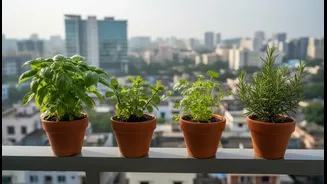




Verify Your Drainage First
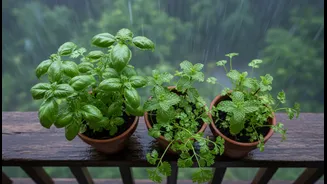
The single most critical factor during the monsoon is preventing waterlogging. Constant rain can suffocate plant roots, leading to rot. For potted plants, ensure every container has multiple, unobstructed drainage holes. Terracotta pots are often better
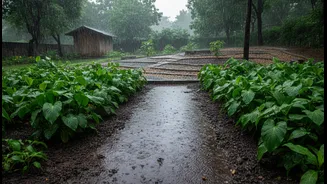
than plastic as they absorb excess moisture. Elevating pots on bricks or stands also prevents them from sitting in pools of water. For ground beds, especially in areas with Bengaluru's heavy clay soil, creating raised beds can dramatically improve drainage and keep roots healthy. Mixing in materials like cocopeat or sand can also enhance soil permeability. Before you plant anything, test your pots and beds by watering them and seeing how quickly the water drains away.
Assess Your Soil and Nutrient Plan
Monsoon rains can wash away essential nutrients from the soil, a process known as leaching. Therefore, it's crucial to start with a nutrient-rich base. Before planting, enrich your soil with well-rotted compost or vermicompost. This not only adds nutrients but also improves soil structure and aeration, which is vital in wet conditions. A good potting mix for the season is a combination of about 40% garden soil, 30% compost, and 30% cocopeat to ensure it remains loose and well-draining. Plan to reduce your use of liquid fertilisers; if you do fertilise, use half-strength solutions and only apply them during a dry spell, as adding them to already moist soil can burn the roots.
Choose Monsoon-Happy Plants
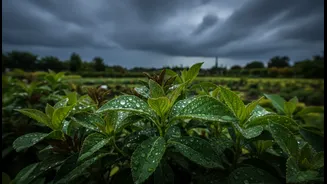
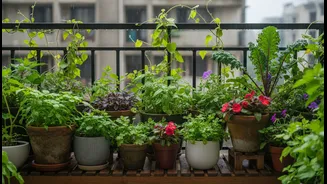
Not all plants enjoy the constant wetness of the Bengaluru monsoon. Success lies in choosing species that thrive in high humidity and moderate temperatures. For vegetables, gourds like bottle gourd (lauki), ridge gourd (turai), and bitter gourd (karela) are excellent choices. Leafy greens such as spinach, amaranth, and water spinach also flourish. Fruiting vegetables like okra (bhindi), chillies, and brinjal do well, too. Among flowers, the aptly named Rainy Lily is a star, blooming after heavy showers. Hibiscus, Canna Lily, and Balsam are other reliable bloomers for this season. Coleus is a fantastic foliage plant that loves the monsoon moisture and adds vibrant colour to shaded balconies.
Rethink Your Watering Schedule
It’s a common mistake to overwater plants during the monsoon, assuming the rain isn't enough. In reality, you should water far less. The rule is simple: check the soil first. Stick your finger about an inch deep; if it feels moist, do not water. Plants in covered balconies or shaded areas might still need occasional watering, but those exposed to the rain may not need any extra water for days. Letting the soil tell you when it's thirsty is a far better strategy than sticking to a fixed schedule.
Plan for Pests and Fungal Issues
High humidity and moisture create a perfect breeding ground for pests and fungal diseases. Snails and slugs are common, feeding on leaves at night. Aphids, whiteflies, and various caterpillars also thrive. Inspect your plants regularly, especially the undersides of leaves. Proactive measures are best. Ensure good air circulation by not overcrowding your plants. You can use organic solutions like a neem oil spray (a mix of neem oil, liquid soap, and water) every 10-15 days as a preventative measure. For snails, placing crushed eggshells around the base of plants can create a barrier they dislike. In Bengaluru, the Giant African Snail can also be a significant issue for kitchen gardens during this time.