



The Nutritional Power of Ragi
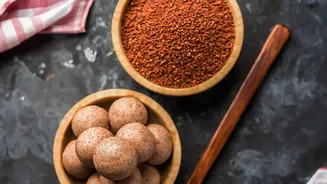
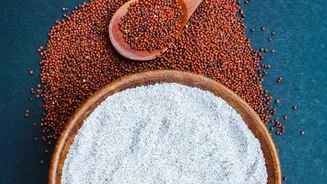
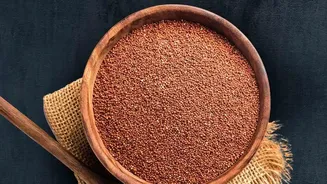
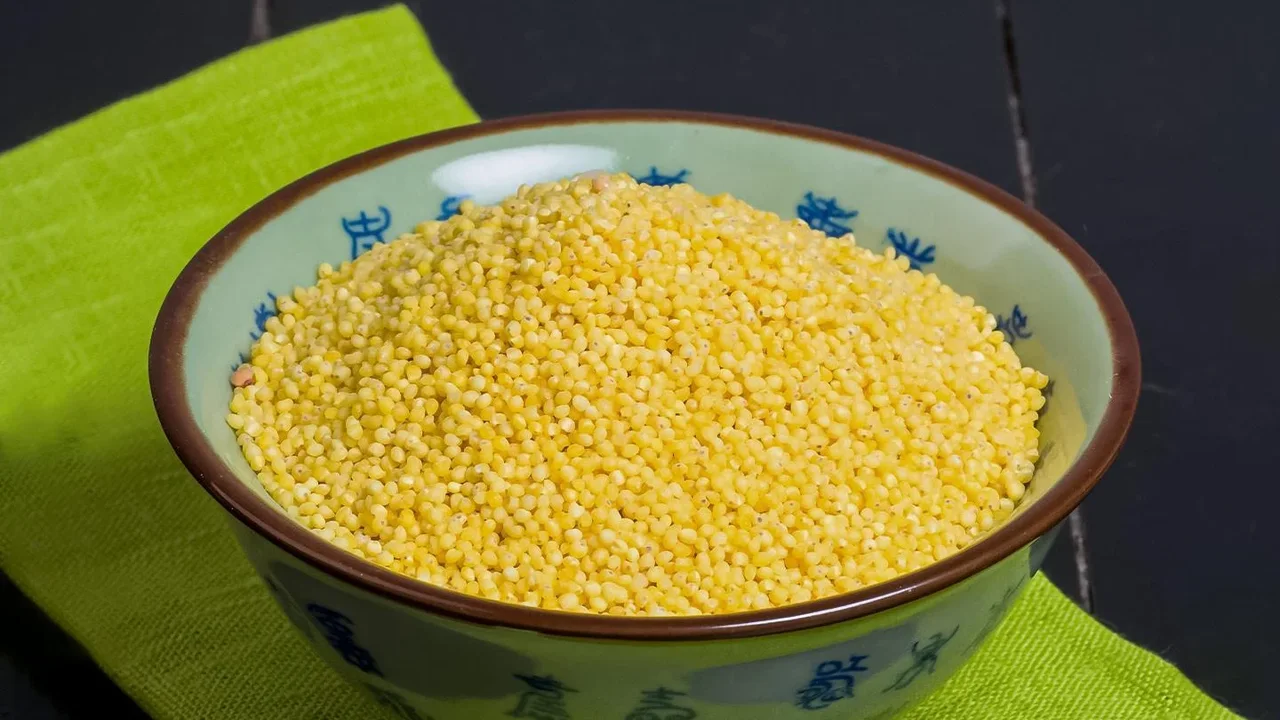
Before you start baking, it’s worth knowing why ragi, or finger millet, is considered a superfood. This traditional Indian grain is a nutritional powerhouse, naturally gluten-free and packed with calcium, iron, and dietary fibre. Its high protein content
makes it an excellent choice for vegetarians. Unlike refined flours, ragi has a low glycemic index, which helps in managing blood sugar levels and promoting a feeling of fullness, aiding in weight management. Using ragi flour instantly boosts the nutritional profile of any baked good, turning a simple treat into a more balanced and wholesome snack for the entire family.
Getting Started: The Rules of Ragi Baking
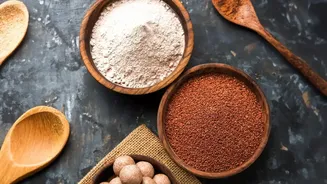
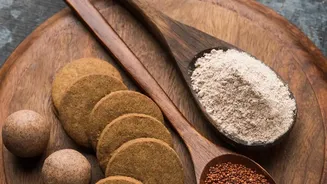
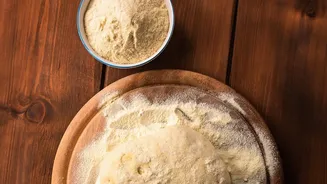
Baking with ragi is different from using all-purpose or wheat flour because it is gluten-free. This means it doesn't create the same elastic structure. The first rule is to not substitute it 1:1 in a recipe designed for wheat flour. For best results, start by replacing only a portion of the regular flour—about 25% to 50%—with ragi flour. This blend helps maintain a familiar texture while introducing ragi's nutritional benefits and earthy flavour. Also, ragi flour is very absorbent, so batters and doughs will likely need more liquid—such as milk, water, or yogurt—to prevent the final product from being dry.
Mastering Moisture for a Softer Crumb
The most common challenge when baking with ragi is ending up with a dense or dry texture. This is because its high fibre content soaks up moisture. To counteract this, incorporating wet ingredients is key. Mashed ripe bananas, applesauce, yogurt, or grated vegetables like carrots and zucchini are excellent additions that add moisture and natural sweetness. Using a bit of extra fat like oil or ghee can also help create a softer, more tender crumb. Another professional tip is to let your batter rest for about 10-20 minutes before baking. This allows the ragi flour to fully absorb the liquid, which results in a more even texture.
Perfect Flavour Pairings
Ragi has a distinct earthy, nutty flavour that can be a delicious attribute when paired correctly. Some home cooks find the taste unusual on its own, so pairing it with strong, complementary flavours is a great strategy. Chocolate is an excellent partner for ragi; the richness of cocoa powder beautifully masks and complements ragi's earthiness, making chocolate ragi cake a popular choice. Other wonderful pairings include jaggery, which adds a caramel-like sweetness, and warm spices like cinnamon and cardamom. Fruits like bananas and apples also work exceptionally well, as their sweetness and flavour balance the millet perfectly.
Easy Bakes to Begin Your Ragi Journey
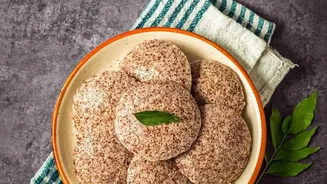
If you are new to baking with ragi, it's best to start with simple, forgiving recipes. Cookies, brownies, and muffins are fantastic starting points. These items are less dependent on gluten for their structure, making them more adaptable to ragi flour. Ragi cookies often have a delightful, crumbly texture, and their flavour is enhanced with additions like nuts and chocolate chips. Ragi brownies are another great option, as the dense, fudgy nature of a brownie works well with ragi's characteristics. Once you are comfortable with these, you can move on to more complex bakes like loaf cakes and breads, adjusting your techniques as you go.