




What Is a Modern Den?
Forget the wood-paneled basements of the past. The 2026 den is less a specific type of room and more a state of mind. It’s a space designed for the inhabitants of the house, not for occasional guests. It’s a snug, comfortable, and highly personal room where
you can unwind, indulge in hobbies, and truly be yourself. Unlike a formal living room, there's no pressure for it to be pristine. Unlike a dedicated home office, its primary function is relaxation, not productivity. It’s the home’s cozy heart, a place tucked away from the more public areas of the house where comfort is the reigning principle. Some might call it a snug, a family room, or a library; the label matters less than the feeling it evokes: one of pure, unadulterated comfort.
The Rise of a Lived-In Ethos
The resurgence of the den is a direct reaction to years of design trends that prioritized aesthetics over actual living. The shift away from stark, all-white minimalism and rigid open-plan layouts has been building for years. Homeowners are increasingly seeking warmth, character, and spaces that reflect their real lives. This movement away from formality is also seen in the decline of the traditional dining room, with many families opting for more casual eating arrangements. The focus is now on creating homes that feel authentic, collected, and personal, rather than staged for social media. The den is the physical embodiment of this desire—a space that values well-being, connection, and rest over performative perfection.
Anatomy of a Cozy Retreat
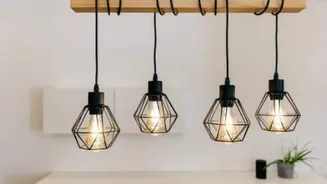
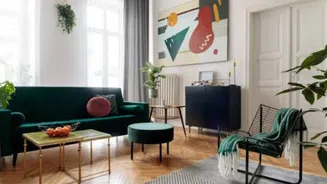
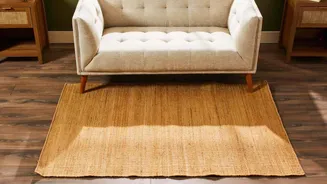
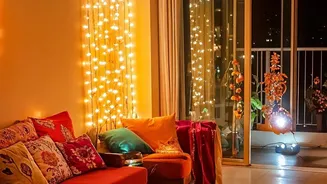
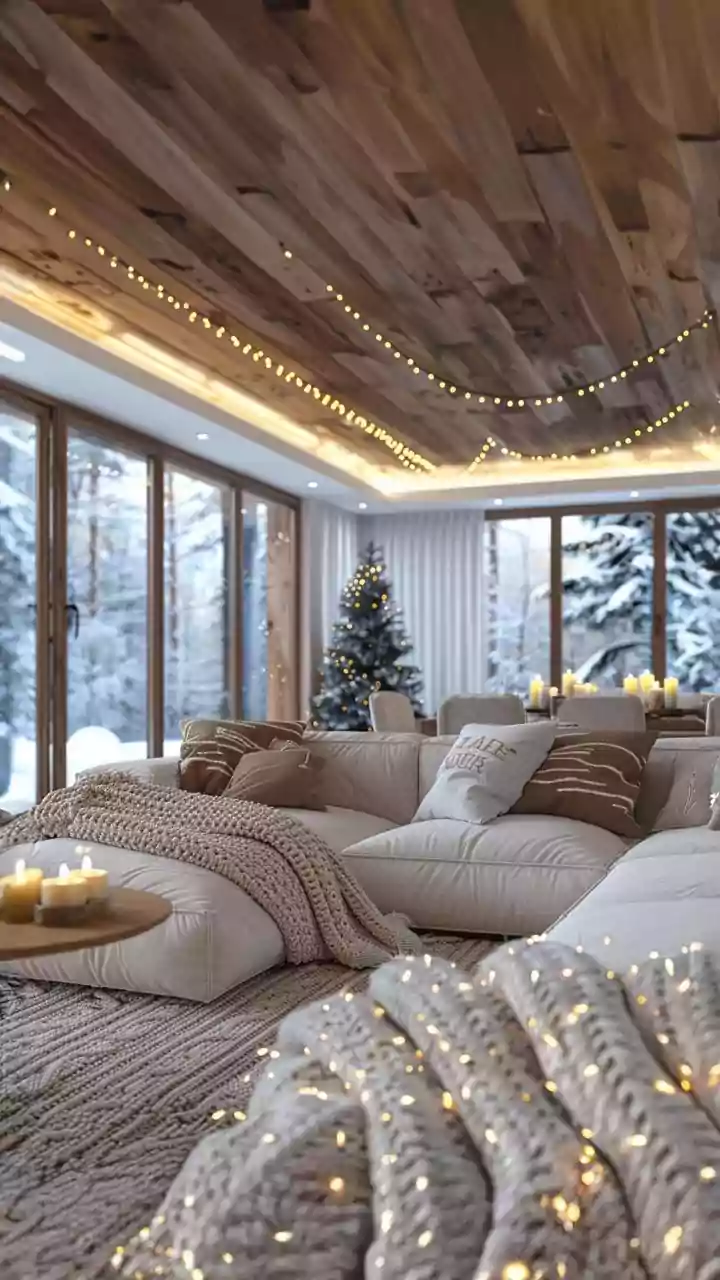
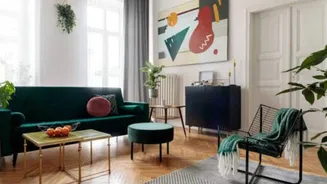
Creating a den is all about layering elements that promote comfort and reflect your personality. Start with comfortable, inviting furniture—think deep, cushioned sofas, oversized armchairs, and soft ottomans. Curved silhouettes are particularly popular for minimizing sharp edges and enhancing a room’s soft appeal. Next, focus on textiles. Layering different textures like chunky knit blankets, velvet cushions, and plush rugs adds visual interest and physical warmth. Warm, earthy color palettes featuring tones like beige, cream, terracotta, and moss green can make a room feel grounded and calming. Finally, lighting is crucial. Ditch harsh overhead lights in favor of a layered approach with floor lamps, table lamps, and even candles to create a soft, ambient glow that feels intimate and relaxing.
A Room for Your Real Life
A den's true purpose is to be useful in the most soulful way. It’s not just a room for watching television, though it can certainly be that. It’s a flexible space that adapts to your needs. It can be a home library filled with books, a listening room with a record player and comfortable seating, or a nook for hobbies like knitting or painting. It’s the perfect place to build an epic blanket fort with your kids or to sit with a glass of wine and have a deep conversation. By personalizing the space with meaningful art, vintage finds, and cherished collections, the den becomes a narrative of your life. It's a room that doesn't just look good; it supports and enriches your daily rituals.
Making the Den Your Own
You don’t need a massive house or a spare room to embrace the spirit of the den. It can be a converted corner of a larger room, a transformed attic, or a reclaimed basement. The key is to define the space and dedicate it to comfort. Start by choosing furniture that prioritizes how you want to feel in the room—relaxed, cozy, and at ease. Introduce warm lighting and soft textures. Most importantly, fill it with things you love. The best dens feel like they’ve evolved over time, collecting stories and memories along the way. Resist the urge to follow a strict design formula and instead let your own lifestyle and passions be your guide. A den is, by its very nature, a rejection of one-size-fits-all design.