




The Sourdough Starter's Necessary 'Waste'
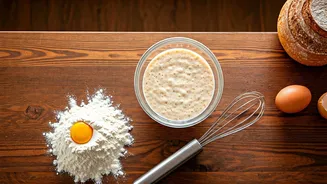
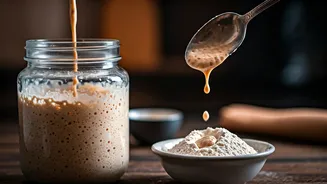
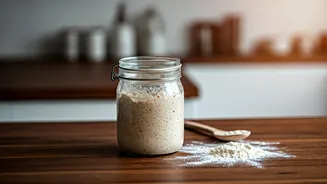
Anyone who maintains a sourdough starter is familiar with the routine. To keep the living culture of yeast and bacteria healthy and active, you must regularly 'feed' it with fresh flour and water. But before you feed it, you have to remove a portion of the existing
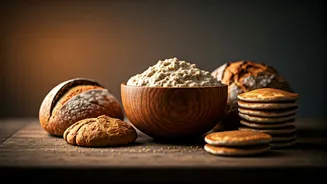
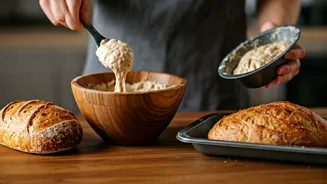
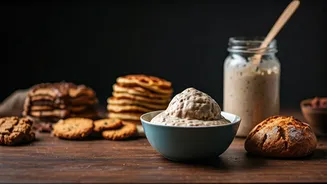
starter. This removed portion is what's known as the 'discard'. For a long time, as the name implies, many bakers simply threw it away. It seemed like a wasteful but necessary part of the process to prevent being overrun by an ever-expanding, and increasingly acidic, starter. However, this discard is perfectly edible; it's a fermented mixture of flour and water, holding latent flavour potential.
The Economic Appeal in the City
In expensive urban centres, where every rupee counts, throwing away flour and water daily feels particularly wasteful. This is a primary driver for the rise of discard cooking. Instead of tossing it, budget-conscious bakers see the discard as a free ingredient. By incorporating it into other recipes, they effectively stretch their flour budget, reducing the overall cost of their baking habit. This frugal mindset aligns perfectly with the economic realities of city living. The rise of artisanal baking in India, once a niche interest, has made high-quality ingredients more sought after, and using discard helps offset some of that cost. It transforms a perceived waste product into a valuable kitchen asset.
A Stand Against Food Waste
Beyond personal savings, using sourdough discard is a powerful statement against food waste. This practice fits into a broader global and Indian trend towards zero-waste kitchens. In a country where household food waste is a significant issue, many are returning to traditional, resourceful cooking methods where every part of an ingredient is used. Cooking with discard embodies this 'root-to-stem' philosophy. Urbanites, often more exposed to conversations around sustainability and environmental impact, are drawn to this tangible way of reducing their household's footprint. It’s a simple, daily act of mindful consumption.
Unlocking Complex Flavours and Textures
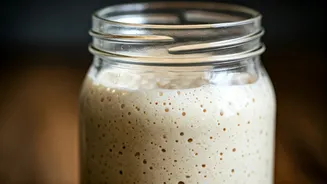
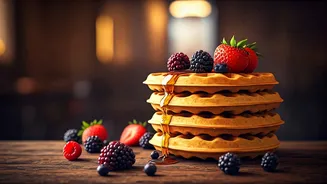
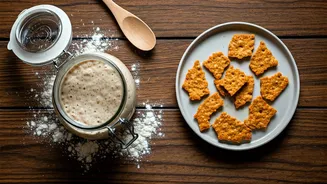
Perhaps the most delicious reason for the trend is that sourdough discard isn't just a filler; it's a flavour enhancer. The fermentation process develops a tangy, complex taste that can elevate a wide range of dishes. Depending on its age, the discard can add a subtle depth or a more pronounced sour note. It also improves the texture of many baked goods, making them more moist, tender, and fluffy. In recipes like pancakes, waffles, and crackers, the acidity in the discard reacts with leavening agents like baking soda to create a softer result. It can even make certain baked goods easier to digest due to the partial breakdown of gluten during fermentation.
A Canvas for Culinary Creativity
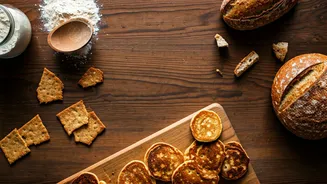
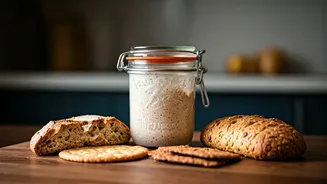
The sheer versatility of sourdough discard has sparked a wave of culinary experimentation. Home cooks are discovering that it can be incorporated into a vast array of recipes, both sweet and savory. The internet is filled with ideas ranging from pancakes, waffles, and muffins to crackers, pizza crust, and flatbreads. More adventurous bakers are using it to make pasta, brownies, cookies, and even cakes. This creative outlet is especially appealing in an urban setting, offering a hands-on, craft-oriented escape from the daily grind. It provides a sense of accomplishment and a connection to food that goes beyond simply buying a finished product.