




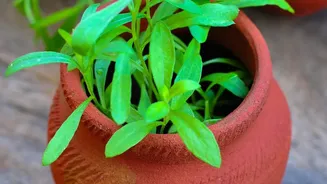
What Is an Olla?
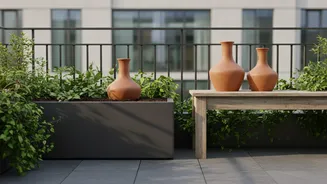
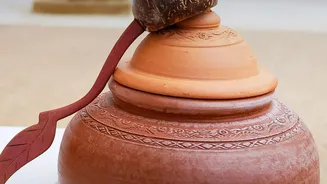
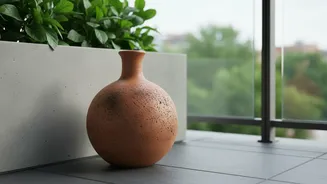
An olla (pronounced ‘oh-ya’) is simply an unglazed terracotta pot that is buried in the soil and filled with water to irrigate plants. This ancient method, used for millennia in arid climates around the world, is gaining new popularity among urban gardeners
for its sheer simplicity and effectiveness. With only its neck visible above the soil, the olla acts as a subterranean reservoir, delivering water directly where it’s needed most: the plant's roots.
The Simple Science of Slow Seepage
The magic of the olla lies in the porous nature of unglazed clay. When you fill the buried pot with water, the water doesn't rush out. Instead, a process called soil moisture tension comes into play. Plant roots and dry soil create a natural suction, pulling water molecules through the microscopic pores of the clay. If the surrounding soil is already moist, perhaps after a rain, the water stays inside the olla. If the soil is dry, water seeps out to meet the plants' needs. This self-regulating system means your plants get a consistent supply of moisture without ever being overwatered or left to dry out.
Why Ollas Excel in Balcony Pots
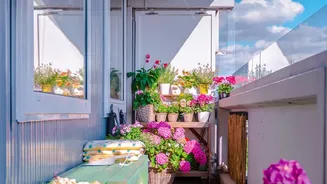
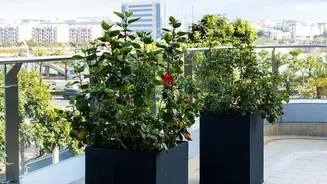
Balcony and rooftop gardens face unique challenges. They are exposed to more wind and heat, which causes container soil to dry out with surprising speed. This is where ollas truly shine. By delivering water underground, surface evaporation is almost entirely eliminated, which can reduce water usage by up to 70% compared to surface watering. This targeted approach also keeps the soil surface dry, which helps discourage weed growth. For the balcony gardener, this means less time spent watering, healthier plants that aren't stressed by wet-dry cycles, and no water waste from runoff through the container's drainage hole.
How to Use an Olla in Your Container
Using an olla is straightforward. For best results, place the olla in the container first, before adding your plants. Dig a hole in the center of your pot and bury the olla so that only its neck sticks out above the soil line. Then, arrange your plants around it. Fill the olla with water and place a small stone or a cap over the opening to prevent debris and insects from getting in and to reduce evaporation. You'll need to refill the olla every few days, depending on the weather and the thirst of your plants. A single olla can typically water a radius of about 18 to 24 inches, making it perfect for most standard large containers.
Best Plants for Olla Watering
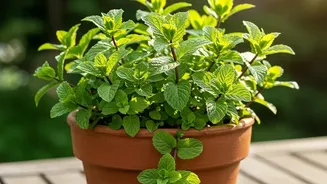
Ollas work best with plants that have fibrous root systems and appreciate consistent moisture. Thirsty vegetables like tomatoes, peppers, squash, and cucumbers are ideal candidates. In fact, using an olla can help prevent common tomato problems like fruit cracking and blossom end rot, which are caused by inconsistent watering. Culinary herbs such as basil and mint also thrive with this method. The steady water supply encourages plants to develop deep, dense root systems that wrap around the olla, leading to healthier, more productive plants.