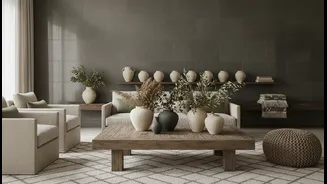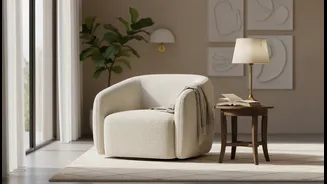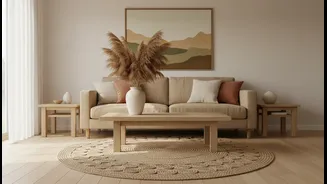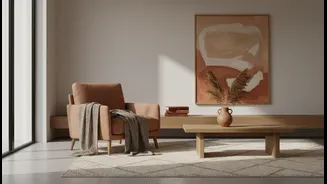


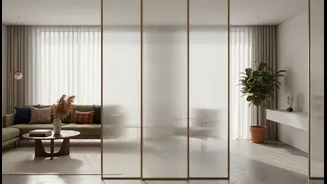



Beyond the Visuals: A Sensory Approach
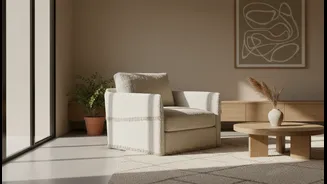
The modern home is often presented as a visual product. We scroll through pristine images of minimalist living rooms and hotel-like bedrooms, aspiring to a certain look. But genuine comfort is a full-sensory experience. It’s the way a space feels, sounds,
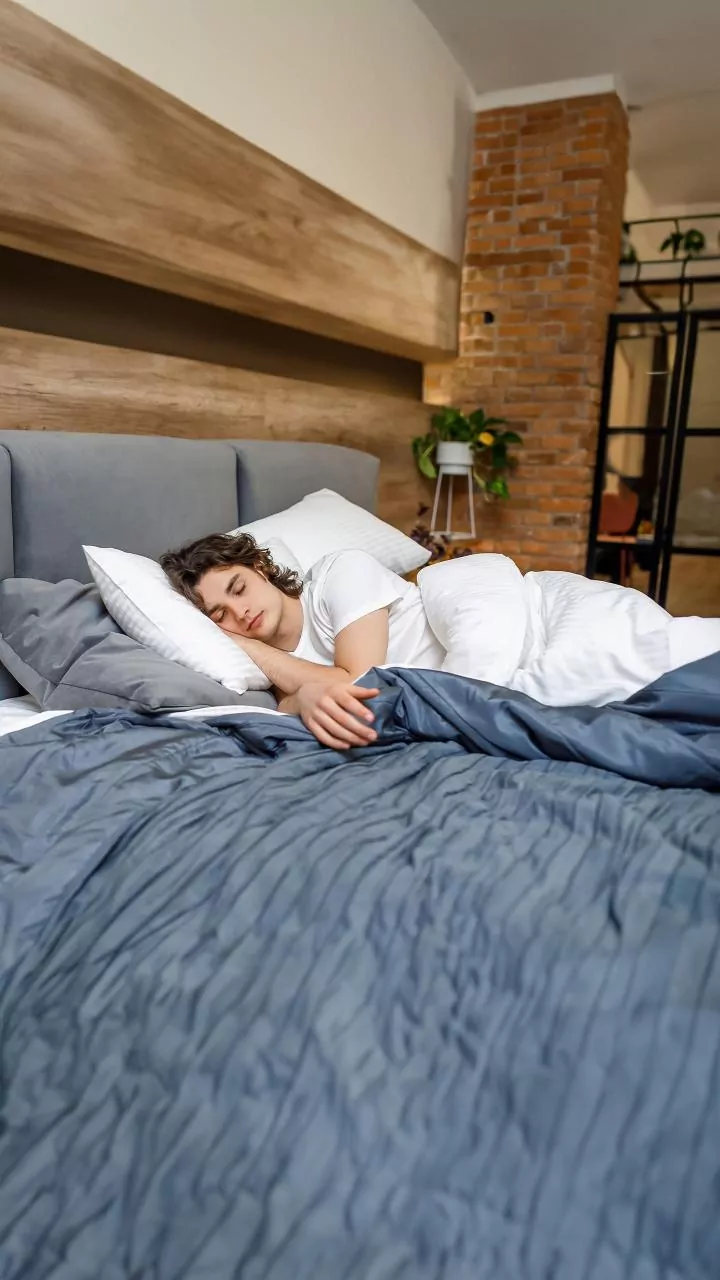
and even smells that signals to our nervous system that we are safe and can relax. Environmental psychology tells us that our surroundings directly impact our brain chemistry. A space that feels cluttered or harsh can trigger stress hormones, while an environment that feels serene can promote contentment. Before splurging on a designer chair, consider the foundational elements that truly define a comfortable home. These are often invisible but have a powerful effect on our daily lives, influencing everything from our mood to our sleep quality.
The Air You Breathe and the Light You See
Two of the most critical, yet often overlooked, components of a comfortable home are air quality and lighting. Poor indoor air, concentrated with pollutants, dust, and allergens, can lead to fatigue, headaches, and respiratory issues. Modern homes are often so well-sealed for energy efficiency that they trap these contaminants inside. Ensuring good ventilation by opening windows daily or using exhaust fans, especially in kitchens and bathrooms, can make a significant difference. Similarly, natural light is essential for regulating our circadian rhythms, which control sleep patterns and energy levels. A sunlit room can boost mood and alertness, while dim, shadowy spaces can lead to sluggishness. Layering your lighting with a mix of ambient, task, and accent lights allows you to tailor the mood, creating a warm, inviting atmosphere in the evening instead of relying on harsh overheads.
The Sound of Your Space
Acoustics are the unsung heroes of a peaceful home. In an era of open-plan layouts and hard surfaces like glass and concrete, sound can bounce around unchecked, creating an environment that feels restless and fatiguing. Poor acoustics can make conversations feel strained and background noise overwhelming. You don't need to live in complete silence, but controlling sound is key to creating a sanctuary. Simple additions like area rugs, curtains, and soft furnishings like throw pillows and blankets do more than add style; they absorb sound, reducing echo and creating a sense of calm. A space with balanced acoustics feels more private and serene, allowing you to focus, relax, and connect without subconscious stress.
The Comfort of Nature
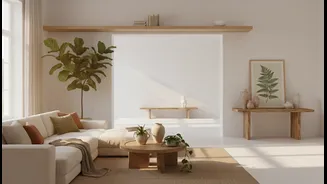
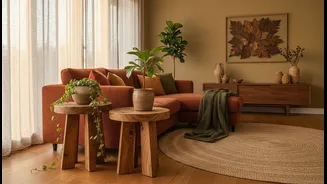
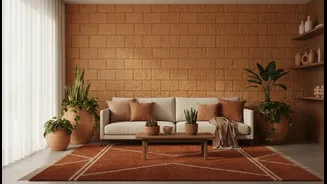
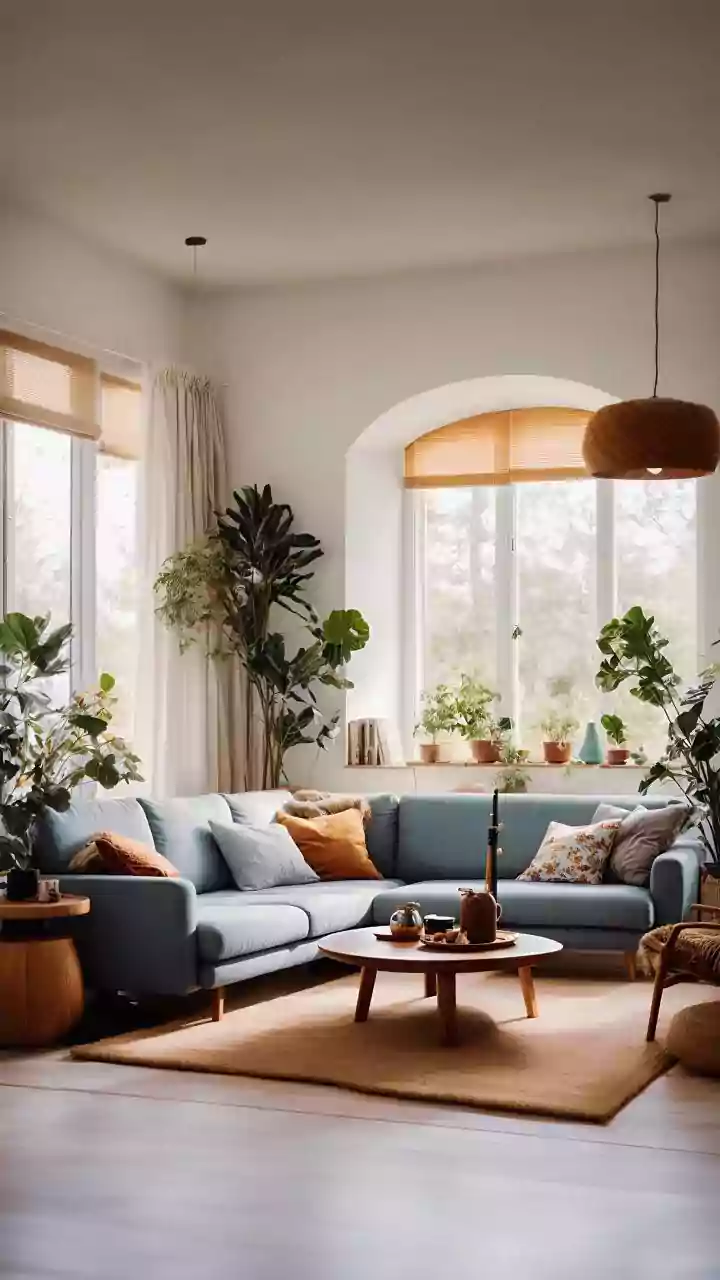
Biophilic design, the practice of connecting our built environments with nature, is gaining traction for good reason. Humans have an innate attraction to the natural world, and incorporating elements of it into our homes can significantly reduce stress, improve mental clarity, and enhance overall well-being. This goes beyond simply adding a few houseplants. It involves using natural materials like wood and stone, maximizing views of the outdoors, and choosing a color palette inspired by nature. Even being in a room with wooden furniture has been shown to decrease blood pressure and increase feelings of comfort. Bringing nature indoors, whether through a collection of plants, natural textures, or simply opening the blinds to a green view, helps create a restorative space that nurtures both body and mind.
Personal, Not Perfect
A truly comfortable home is an extension of your identity, not a page from a catalogue. While a tidy space is linked to lower stress levels and better focus, this is less about sterile minimalism and more about removing unnecessary clutter that competes for your attention. Clutter has been shown to have a negative impact on our psychological sense of home and well-being. The goal is to create a space that feels organized and personal. Surround yourself with items that hold meaning—photographs, favorite books, and cherished objects. Furniture should also be chosen for physical comfort and how it supports your daily rituals, with softer, rounded shapes often feeling more welcoming than sharp, angular ones. A home that reflects your life and personality provides a sense of belonging and psychological safety that no amount of trendy styling can replicate.